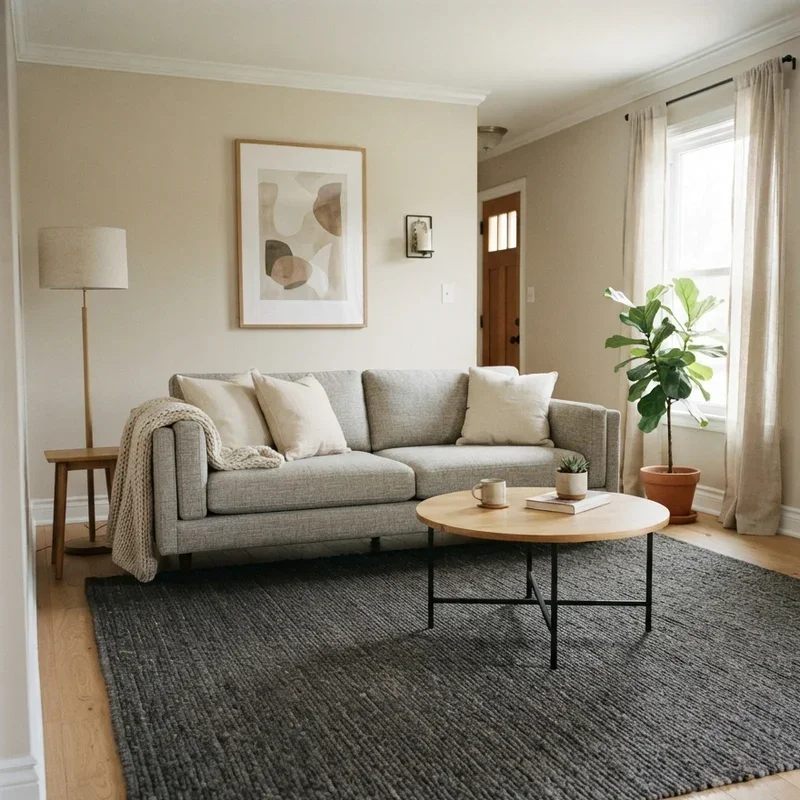
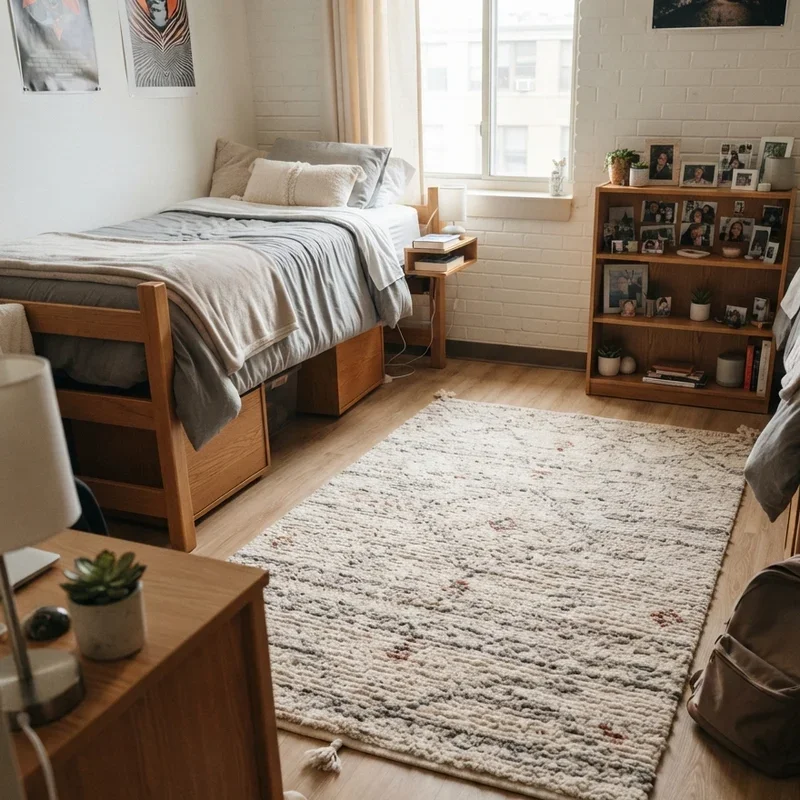
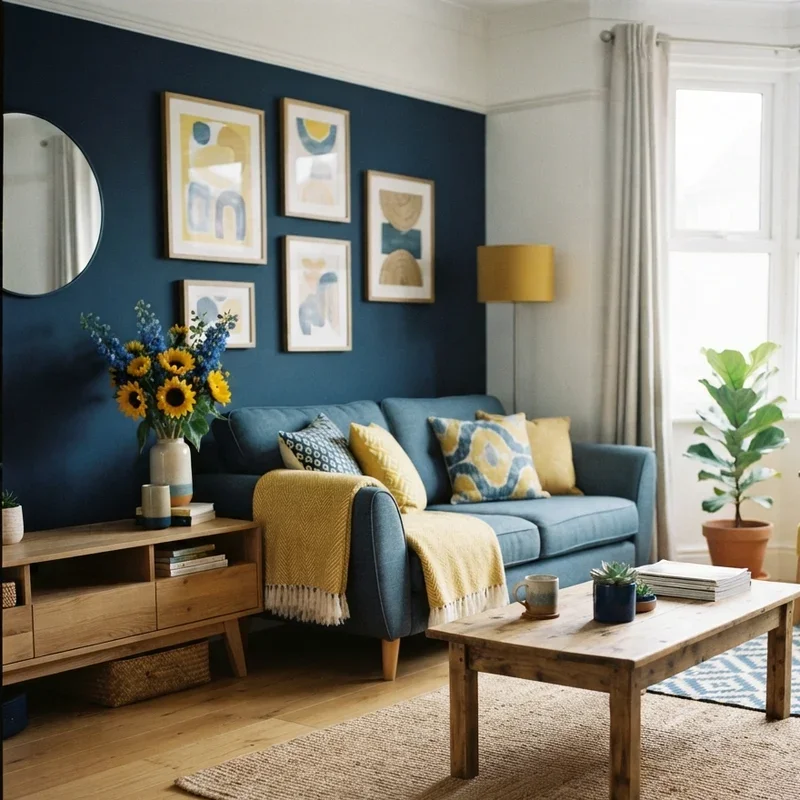
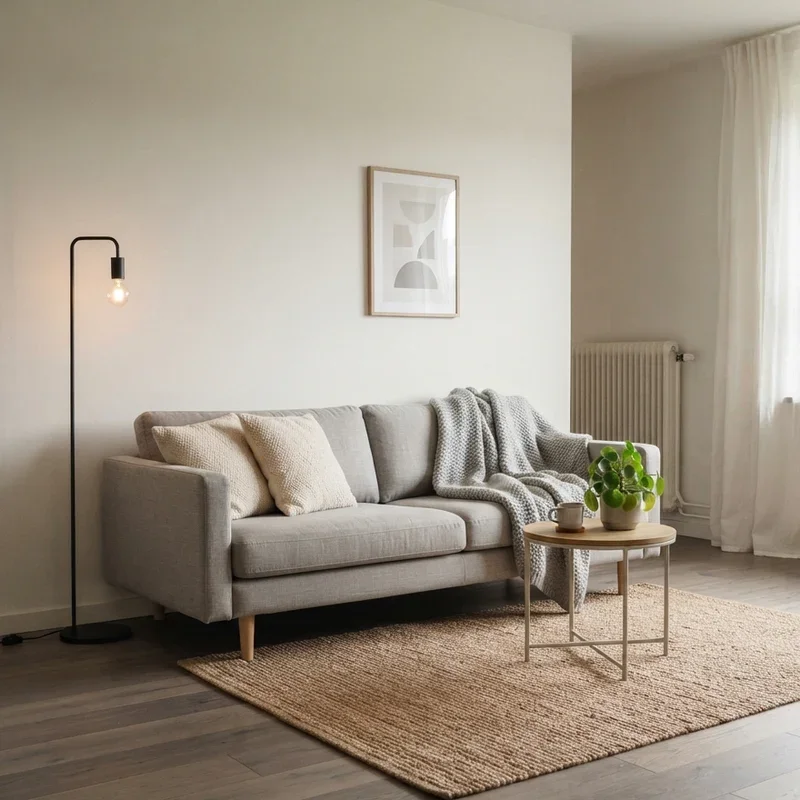
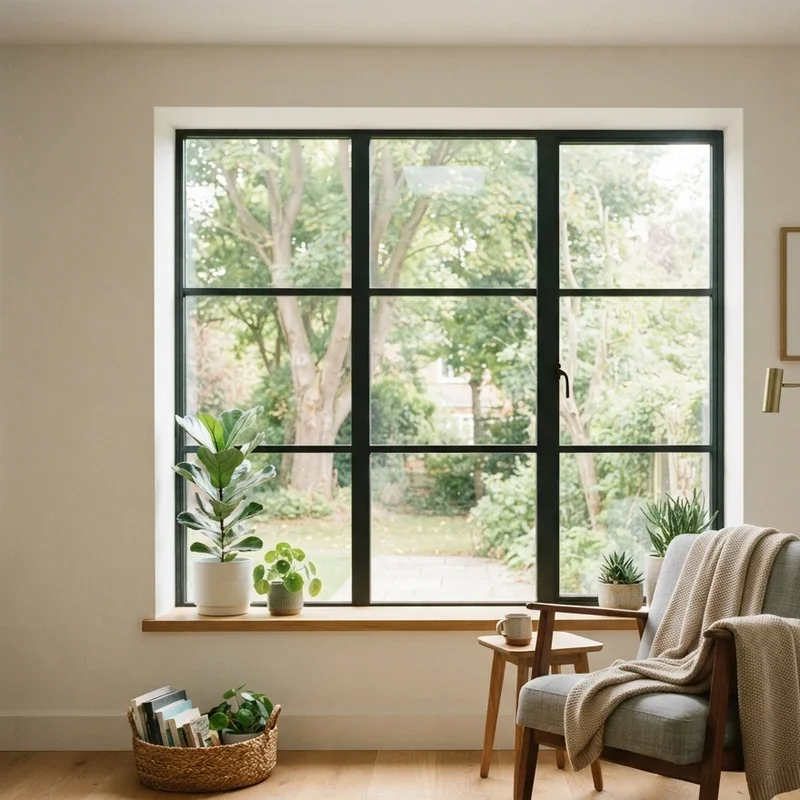
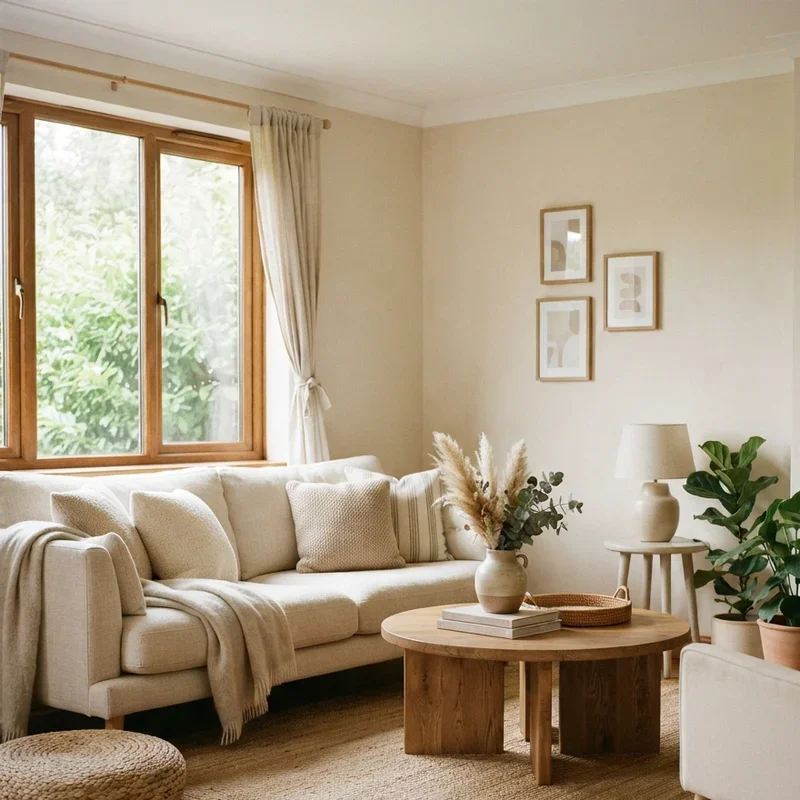
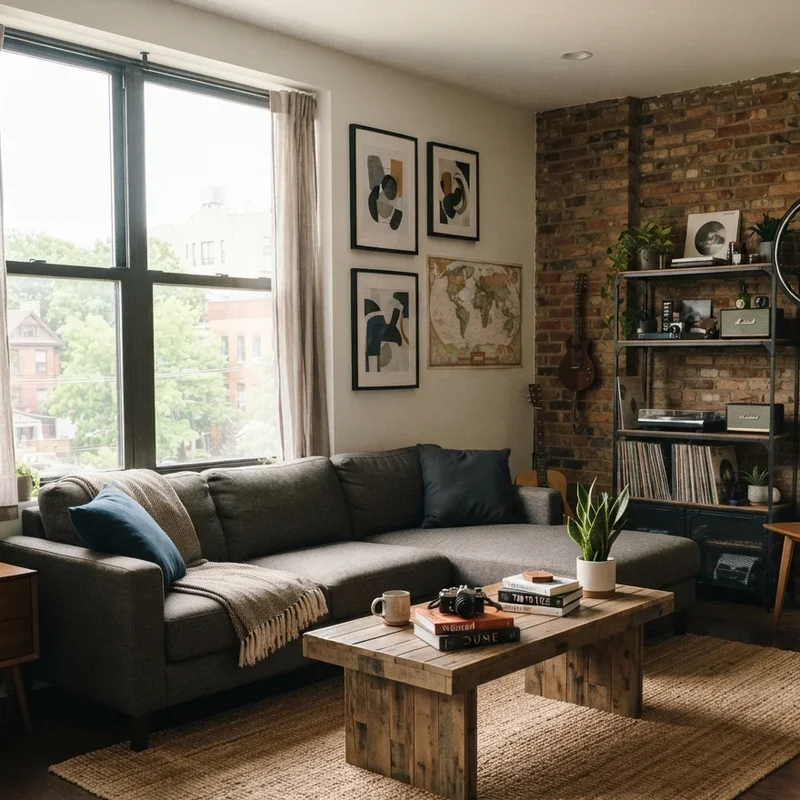
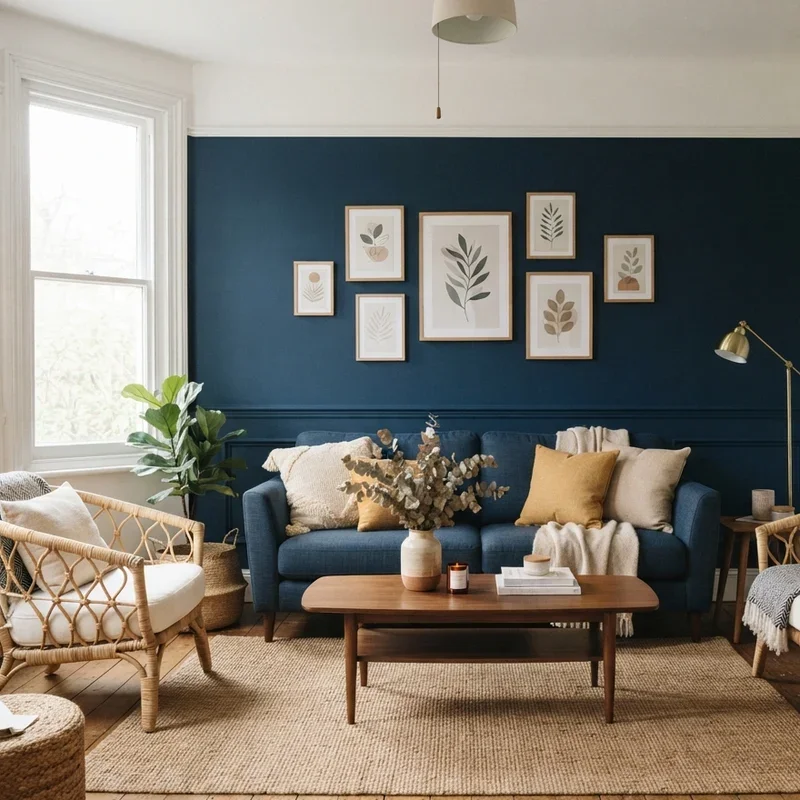
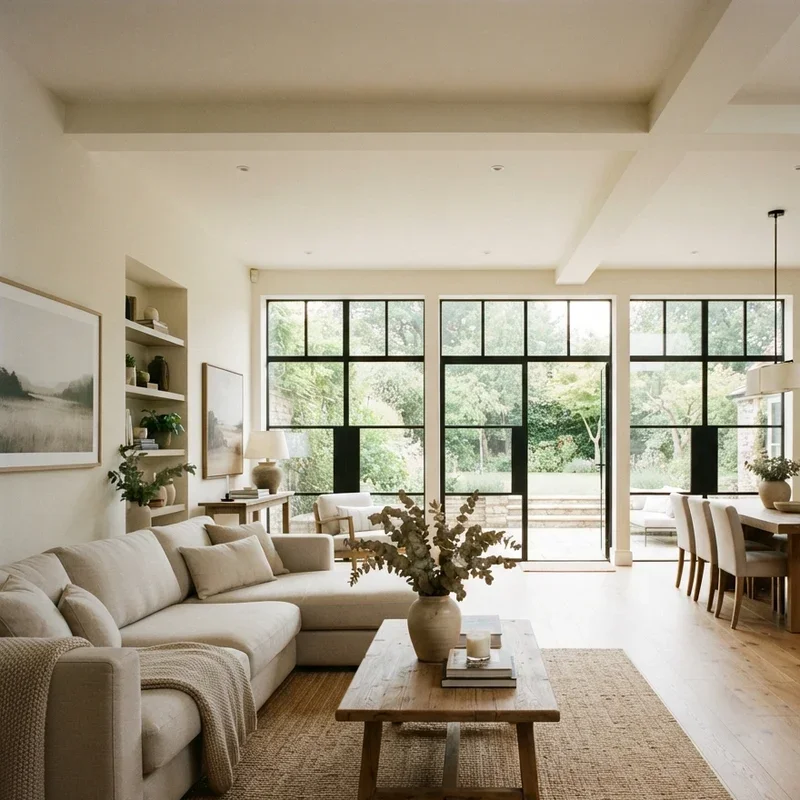
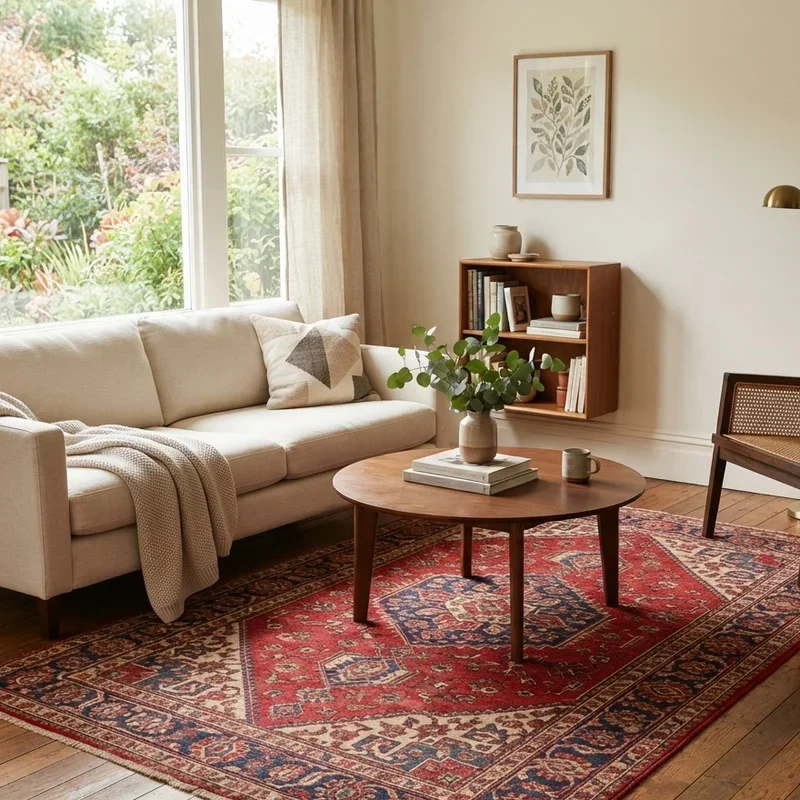
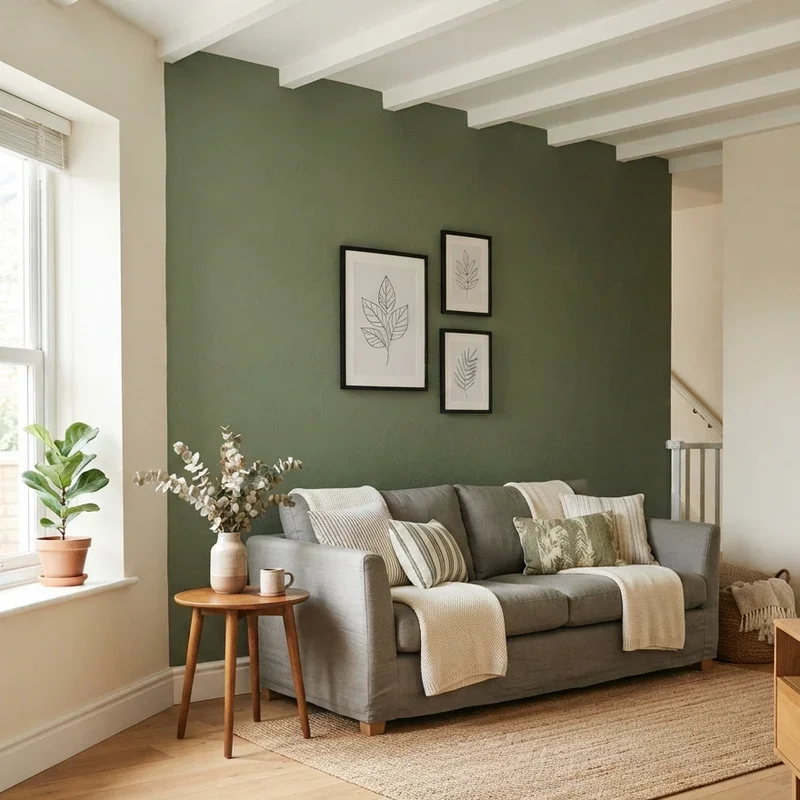
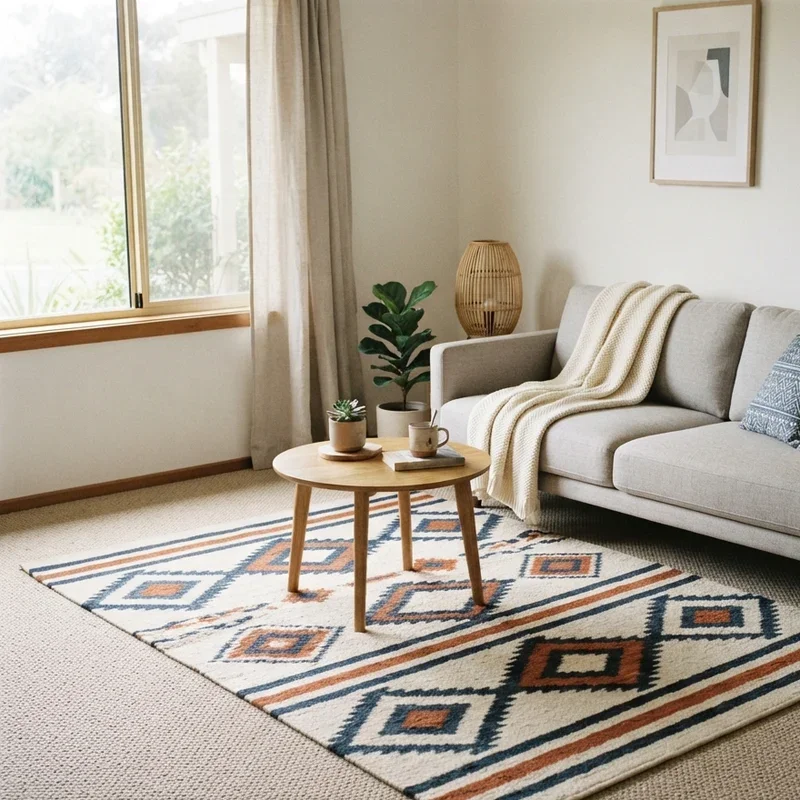
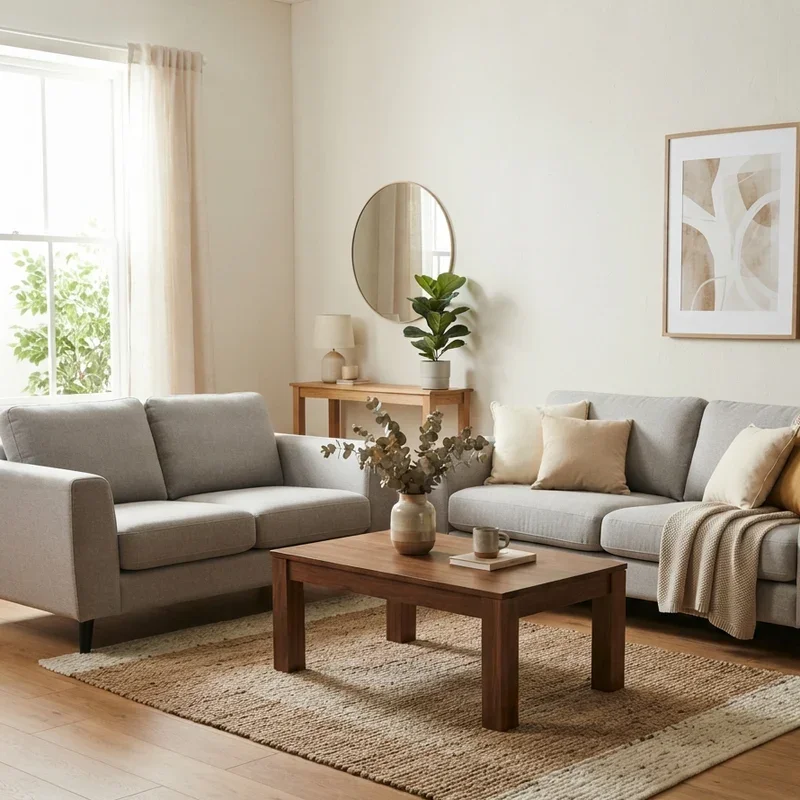
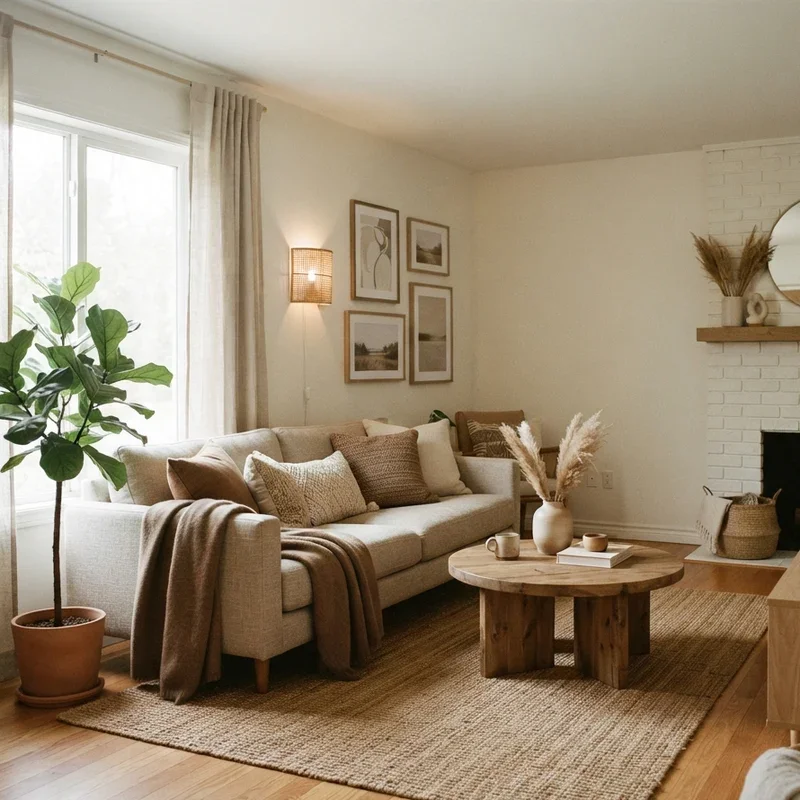
Discover 15 living room toy storage ideas for stylish homes that hide clutter while keeping toys accessible for kids and adults happy.
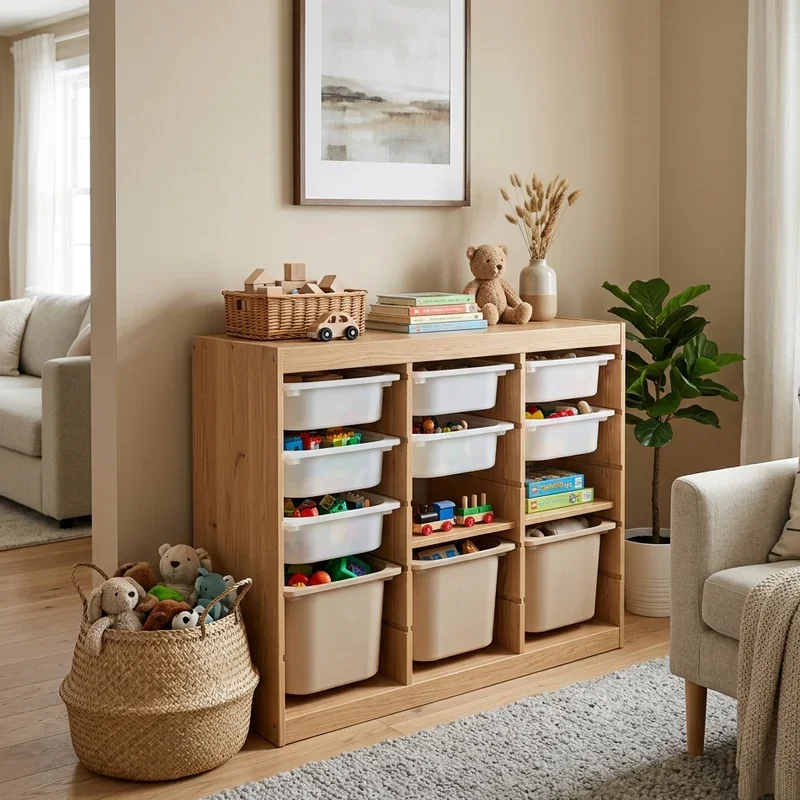
Living room toy storage solves the universal parenting design challenge where your carefully styled, thoughtfully curated, this-room-represents-my-adult-taste living space collides head-on with the relentless, ever-expanding, multiplying-overnight avalanche of plastic, plush, battery-operated, primary-colored toys that children scatter across every surface, beneath every cushion, and into every gap between furniture pieces throughout the daily, unstoppable, never-ending flood of playthings transforming your sophisticated living room into a daycare center. Have you ever tidied the entire living room, sat down with a satisfied sigh, then watched your toddler dump an entire toy bin across the freshly cleared floor within thirty seconds of your completion? Storage solutions tame that chaos permanently. Let's explore fifteen ideas.
1. Storage Ottoman Toy Chest
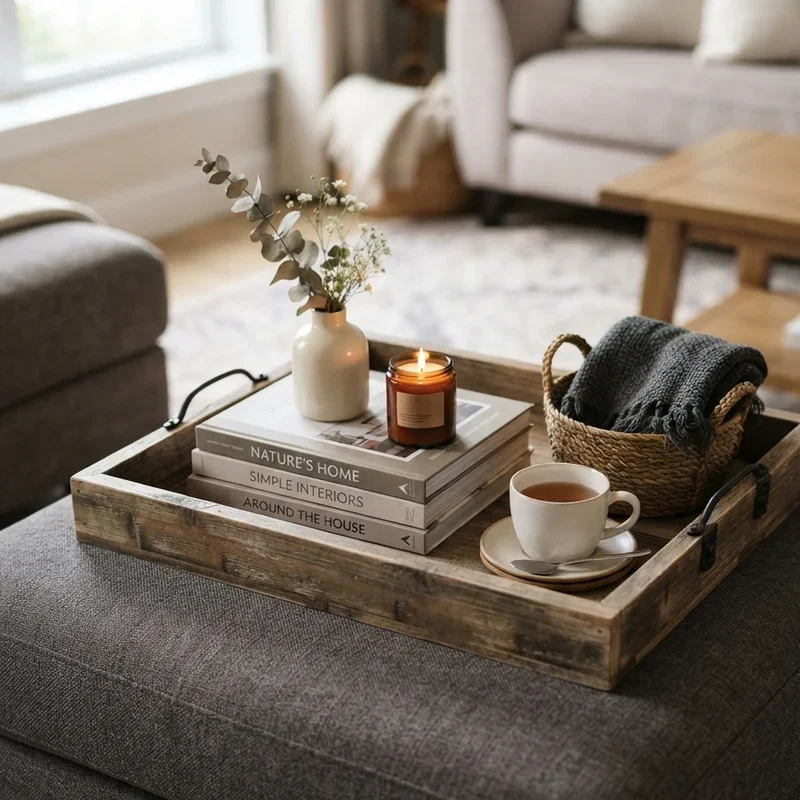
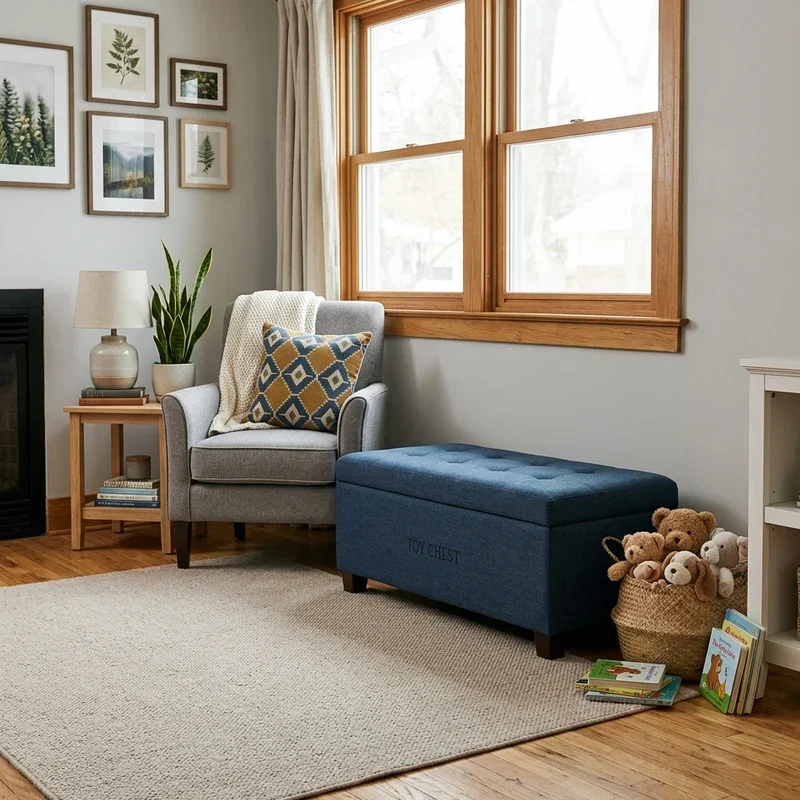
A storage ottoman toy chest hides every scattered toy inside the cushioned, living-room-appropriate furniture piece that guests sit upon, rest their feet on, and place their drinks atop without ever suspecting that a chaotic jumble of action figures, building blocks, and puzzle pieces lives inside the calm, sophisticated, nothing-to-see-here upholstered exterior presenting zero visual evidence of the toy-packed interior hiding beneath the closed lid separating your adult-designed living room surface from the childhood chaos contained just inches below. Choose a large storage ottoman with a sturdy, flat lid that supports sitting weight while concealing the toy-filled interior, since the dual-function design serves both furniture and storage purposes. Lift the lid, toss toys inside, close, and exhale. Think of storage ottomans like stylish toy-eating furniture. Your clutter disappears.
2. Woven Basket Collection
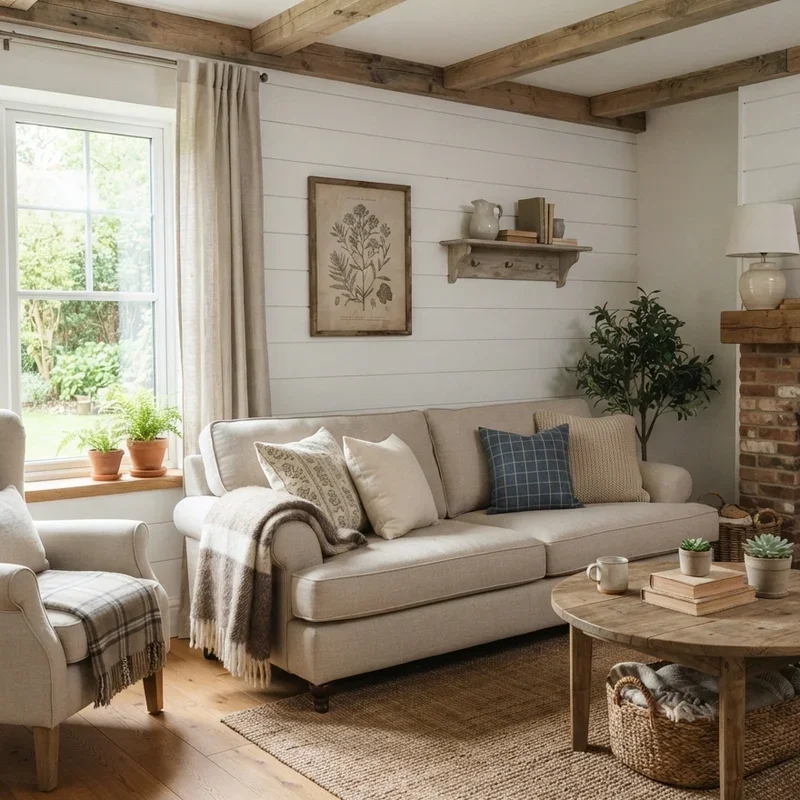
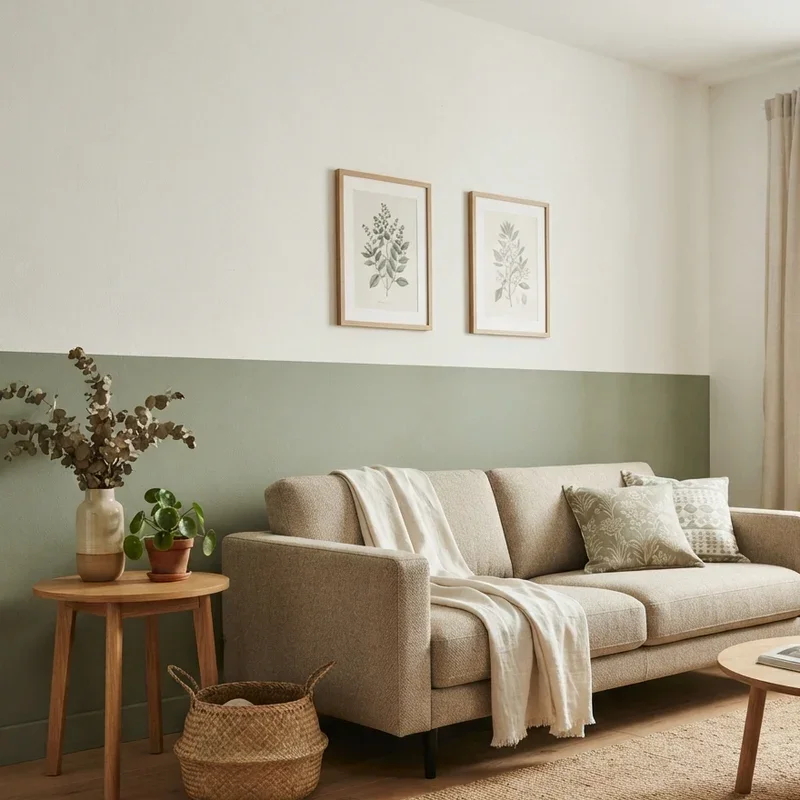
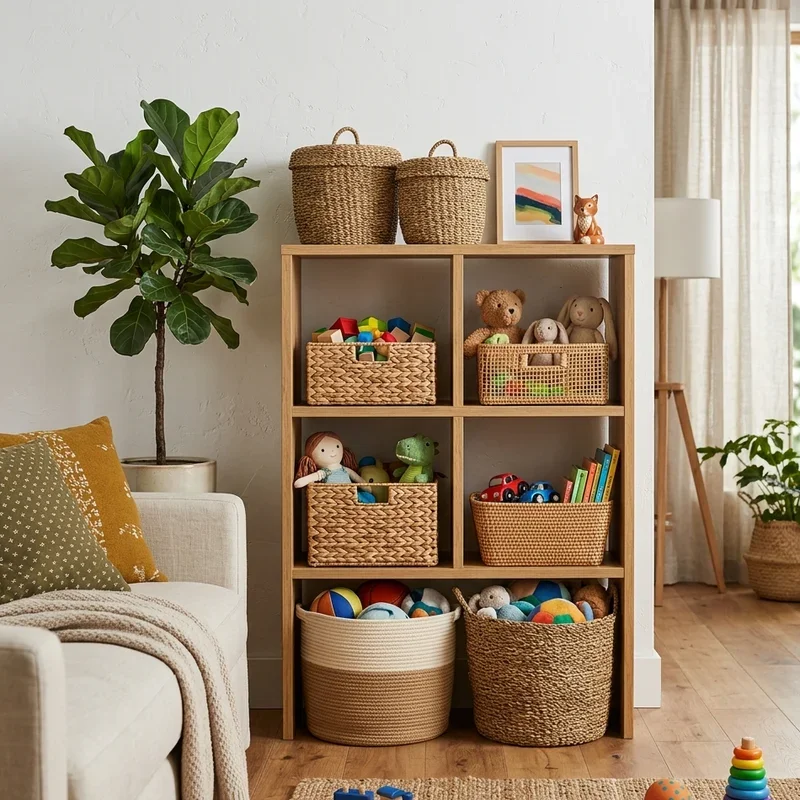
Woven baskets scattered throughout your living room hold toys inside naturally textured, organically beautiful, living-room-worthy vessels that look intentionally decorative rather than obviously organizational, where the handwoven, varied-toned, artisan-crafted containers communicate design intention through their visible, proud, displayed-on-purpose positioning among adult furniture and decor rather than the plastic, primary-colored, clearly-a-toy-bin containers that broadcast "children live here" with the visual subtlety of a neon sign pointing directly at the organizational infrastructure you wish remained invisible to guests. Choose matching woven seagrass, rattan, or jute baskets in varied sizes for different toy categories. Position beside sofas, beneath console tables, and beside bookshelves. Label with simple tags for child-directed cleanup. Think of woven baskets like decorative camouflage for toy clutter. Your storage looks intentional.
3. Built-In Cabinet Concealment
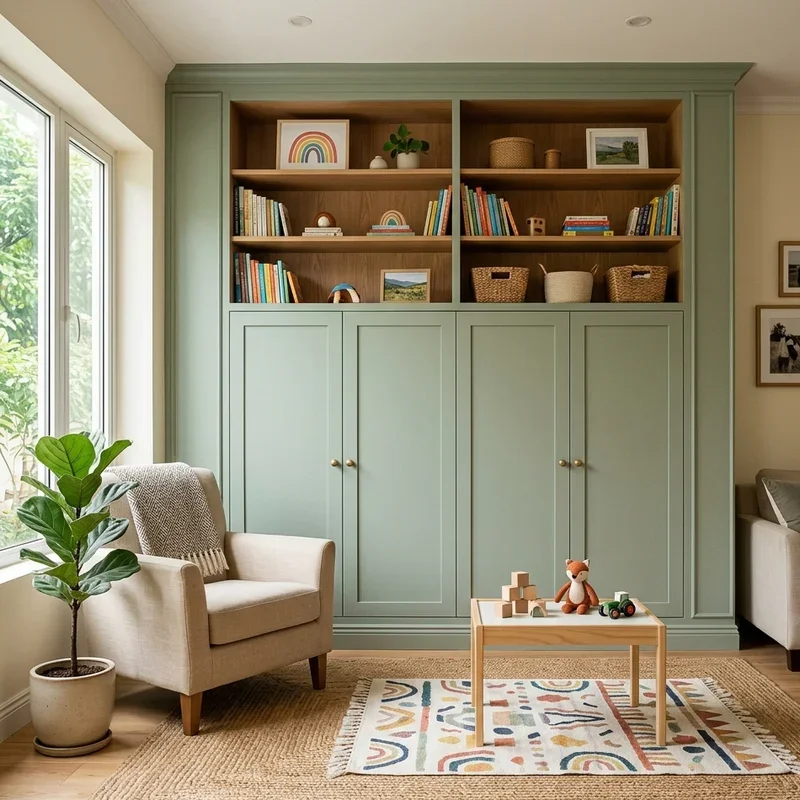
Built-in cabinets with closed doors completely conceal toy collections behind matching, room-integrated, architecturally seamless paneling that transforms the wall-to-wall, floor-to-ceiling storage into invisible infrastructure where hundreds of toys live permanently out of sight behind the same cabinet faces that hold books, display objects, and entertainment equipment across the upper shelves while the lower, child-accessible sections hide the entire toy collection behind closed doors that children open independently for play then close afterward for the clean, toy-free, adult-appropriate living room appearance that open-storage alternatives permanently sacrifice through their visible, always-showing, cannot-hide-the-mess transparent design. Dedicate the lower sections of built-in cabinets exclusively to toy storage with child-height doors. Organize toys inside using bins and dividers. Keep upper sections for adult display. Think of built-in cabinets like invisible toy closets inside your walls. Your collection hides completely.
4. Labeled Fabric Bin System
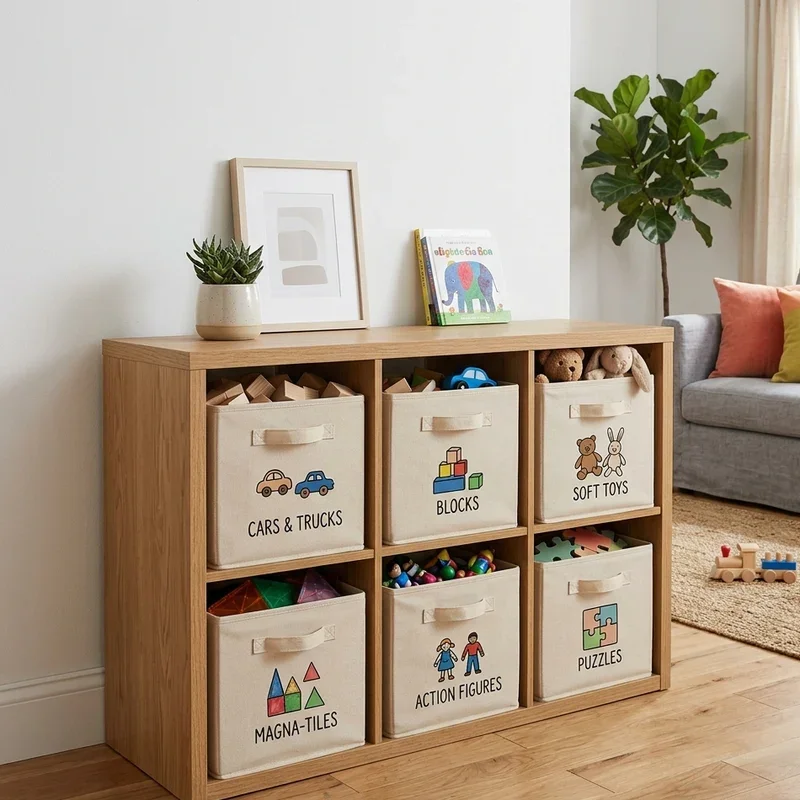
Labeled fabric bins organize toys by category inside soft-sided, stackable, child-safe containers where picture labels and word tags guide even pre-reading children toward independent cleanup by showing exactly which bin receives cars, which receives dolls, which receives blocks, and which receives the miscellaneous, doesn't-fit-anywhere-else, what-even-is-this random collection of unclassifiable objects every child accumulates through months of birthday parties, happy meals, and party favor bags contributing toys that defy categorical organization yet somehow multiply weekly regardless of parental attempts at controlling the incoming volume. Choose fabric bins in neutral colors matching your living room palette, since the coordinated tones integrate the organizational system into the room's existing design. Add picture labels for pre-readers. Size bins for your shelving. Think of labeled bins like organized mailboxes for toys. Your children sort independently.
5. Coffee Table with Hidden Storage
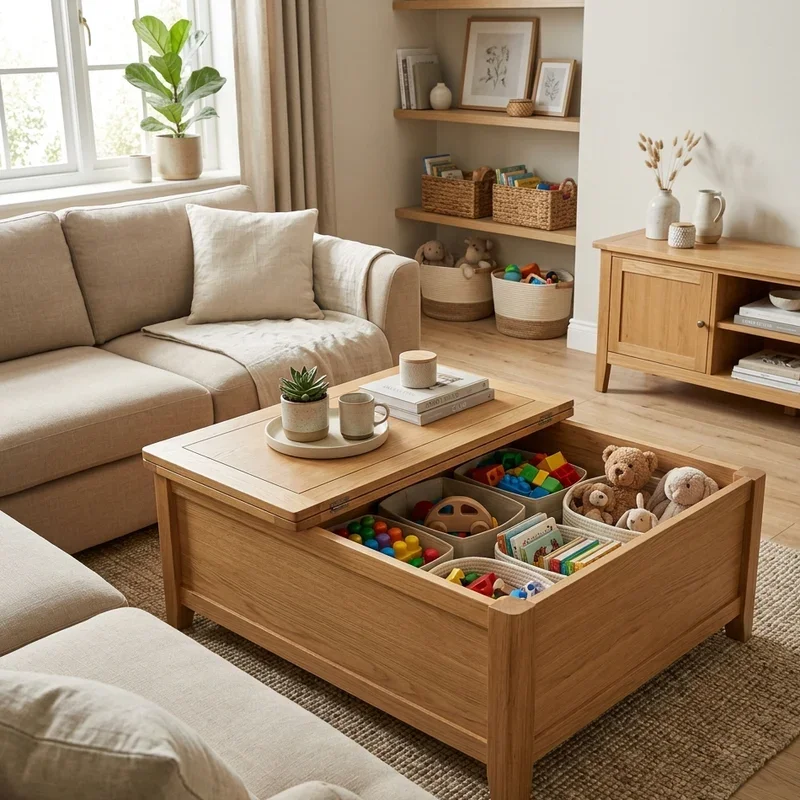
A coffee table with hidden storage builds concealed toy compartments into the living room's most centrally positioned furniture piece, where lift-top lids, pull-out drawers, or enclosed shelf sections hold the toys your children access most frequently during living room playtime inside the very table occupying the seating area's center rather than requiring trips to distant, across-the-room, separate-from-the-play-zone storage furniture holding toys far from where play actually happens on the rug directly beneath the coffee table that now contains everything needed within arm's reach inside its concealed interior. Choose a coffee table with lift-top, drawer, or interior shelf storage, since the hidden compartments accommodate toys while the closed exterior maintains clean, adult-appropriate living room aesthetics. Organize the interior with small bins. Think of storage coffee tables like play stations disguised as furniture. Your center hides everything.
6. Bookshelf with Toy Cubbies
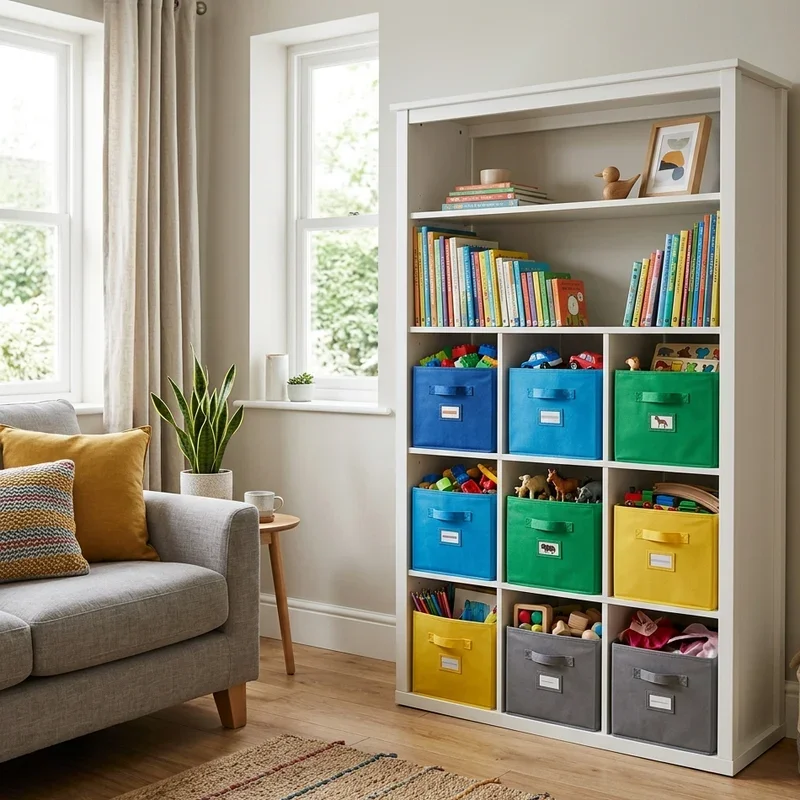
A bookshelf with dedicated toy cubbies assigns the lower, child-reachable sections to toy storage while the upper, adult-height shelves display books, art, and decorative objects, creating the divided, dual-purpose, everyone-gets-their-own-zone shelving unit that serves both grown-up display needs and childhood storage requirements within one furniture piece sharing wall space rather than demanding separate, individually space-consuming, competing-for-the-same-wall adult bookshelf and separate child toy shelf installations doubling the furniture footprint for equivalent function. Assign the bottom two shelves of a tall bookshelf exclusively to toy storage using fabric bins or baskets, since the child-height positioning encourages independent access and cleanup. Style upper shelves with adult display items. Create clear visual separation between zones. Think of divided bookshelves like shared territory agreements. Adults display above, children store below.
7. Window Seat Toy Chest
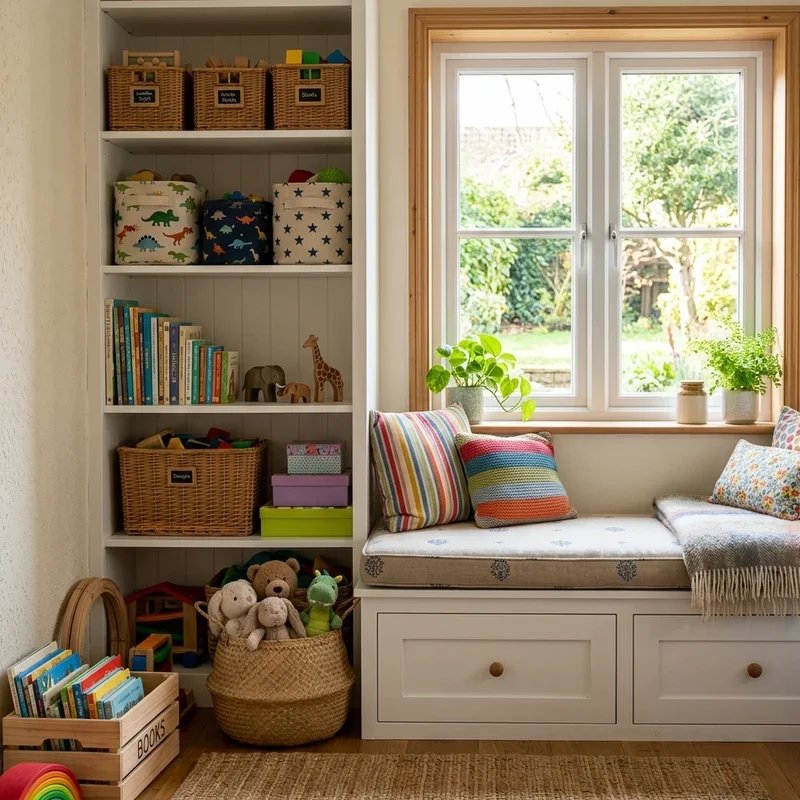
A window seat toy chest builds a cushioned, bench-style storage compartment beneath a sunny window, creating the dual-purpose, sit-on-top, toys-live-inside furniture feature that standalone toy boxes deliver functionally but window seats provide architecturally through their built-in, room-integrated, looks-like-it-was-always-part-of-the-house permanent construction carrying genuine architectural presence beyond the freestanding, can-see-it's-a-toy-box, obviously-added-after-the-room-was-designed portable alternatives that window seats replace through their custom, fitted, belongs-here structural integration. Build a hinged-top bench beneath a window, then upholster the lid with a cushion for comfortable sitting. Store toys inside the deep interior compartment. Add safety hinges preventing the lid from slamming on small fingers. Think of window seats like architectural toy chests with views. Your storage sits beautifully.
8. Rolling Cart Toy Station
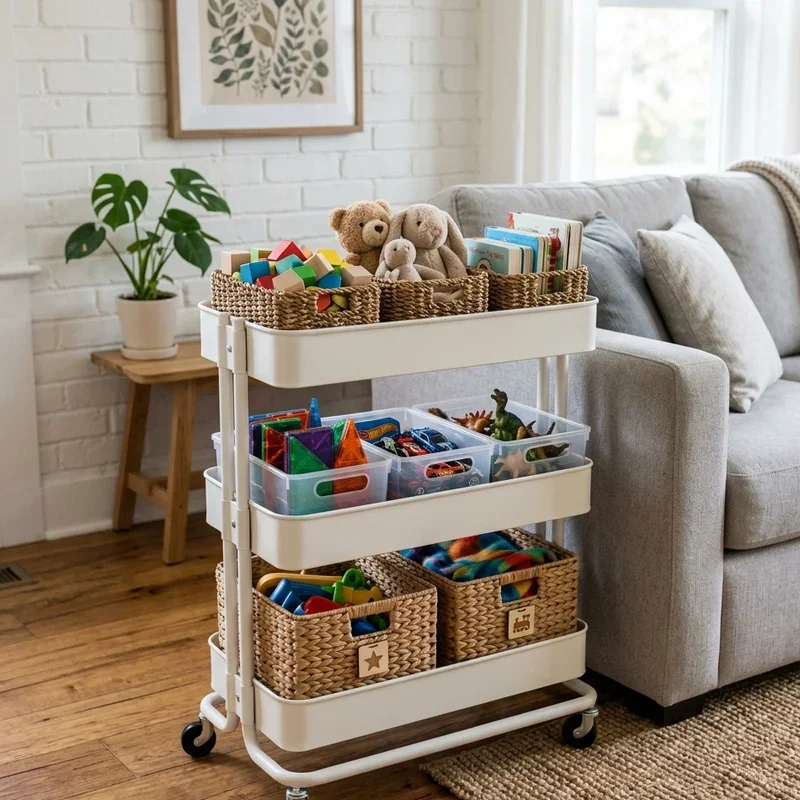
A rolling cart toy station positions a multi-tier mobile cart beside the play area, where the wheeled design lets you roll the entire toy collection out during playtime then push it into a closet, behind furniture, or into another room entirely when the toys need disappearing for adult gatherings, company visits, or the daily evening reset when your living room transforms from daytime play zone back into the nighttime, wine-and-Netflix, please-remove-all-evidence-of-children adult relaxation space you reclaim every evening after bedtime routines conclude and the living room returns to its grown-up identity. Choose a slim three-tier rolling cart in white, black, or metallic finish matching your decor. Assign each tier to a toy category. Roll out for play, roll away for cleanup. Think of rolling carts like mobile toy closets on wheels. Your toys travel on demand.
9. Wall-Mounted Floating Shelves
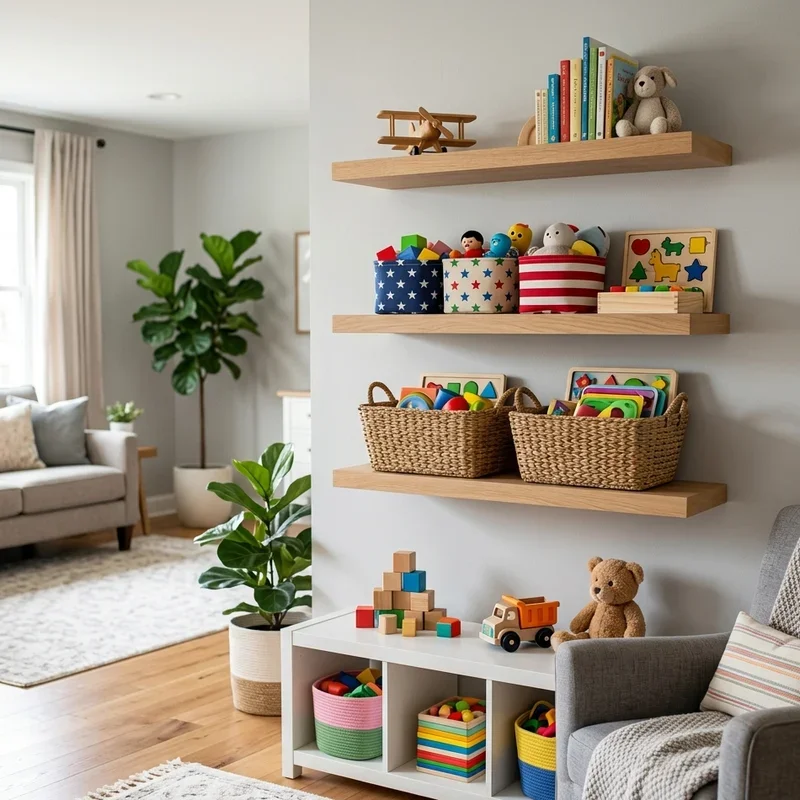
Wall-mounted floating shelves lift toy displays off the floor onto vertical surfaces, where the elevated positioning clears ground-level clutter while creating the curated, gallery-like toy presentation that floor-scattered, pile-up, every-toy-dumped-in-one-heap ground-level storage delivers messily but wall-mounted alternatives present neatly through their organized, each-toy-has-its-own-spot, visible-but-tidy elevated display treating selected toys as genuine decorative objects worth showing rather than shameful clutter requiring concealment behind closed doors. Mount floating shelves at child height for accessible display of favorite toys, since the elevated positioning keeps items organized while the open presentation lets children see and choose independently. Rotate displayed toys monthly. Keep the arrangement edited and minimal. Think of toy shelves like tiny museums on your walls. Your favorites display proudly.
10. Console Table with Basket Storage
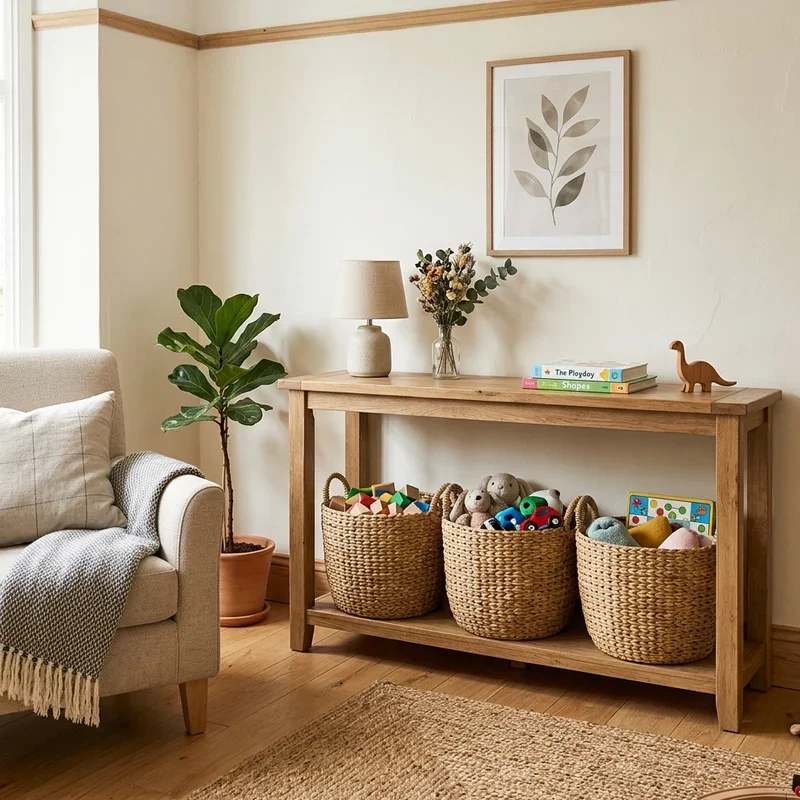
A console table with baskets tucked beneath creates the adult-presenting, living-room-appropriate furniture surface on top while the concealed lower level holds toy-filled baskets that slide in and out for quick access during playtime and quicker concealment during cleanup, where the narrow, wall-hugging, minimal-footprint profile occupies slim wall space rather than the significant, room-occupying, traffic-pattern-affecting floor area that wider, deeper, free-standing toy storage furniture demands through its bulkier dimensional footprint competing for the limited square footage that small living rooms protect from every unnecessary furniture piece. Choose a narrow console table with an open lower shelf, then slide matching baskets beneath for concealed toy storage. Style the tabletop with adult-appropriate decor. Pull baskets out for play, slide back for cleanup. Think of console tables like grown-up furniture hiding childhood underneath. Your surface disguises storage.
11. Toy Rotation Box System
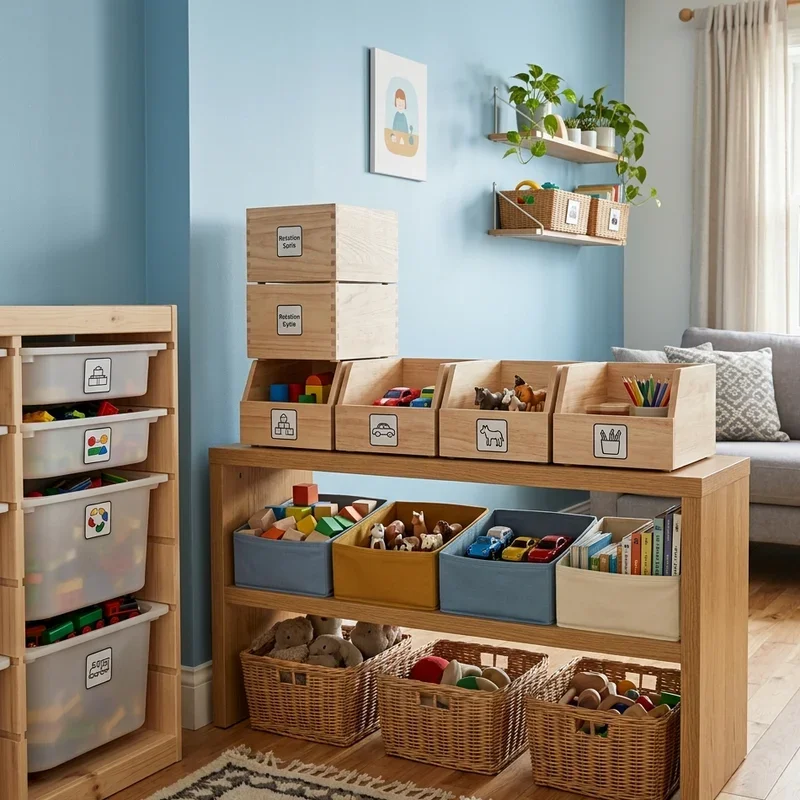
A toy rotation box system divides your complete toy collection into three or four boxes, displaying only one box's contents at a time while the remaining boxes store out of sight in a closet, creating the illusion of new toys every rotation while dramatically reducing the visible, active, currently-scattered-across-the-floor quantity that full-collection, every-toy-available-simultaneously, nothing-stored-away open-access approaches produce through their overwhelming, too-many-choices, paradoxically-less-engaging toy volume that research consistently shows children play with less imaginatively than smaller, curated, recently-rotated selections provide through their novelty-refreshed, attention-capturing, genuinely-more-engaging limited quantity. Divide toys into three or four equal groups stored in identical bins. Display one group while storing others in a closet. Rotate every two to four weeks. Watch your children rediscover forgotten favorites. Think of rotation like toy subscription services using your own collection. Your living room stays manageable.
12. Under-Sofa Storage Bins
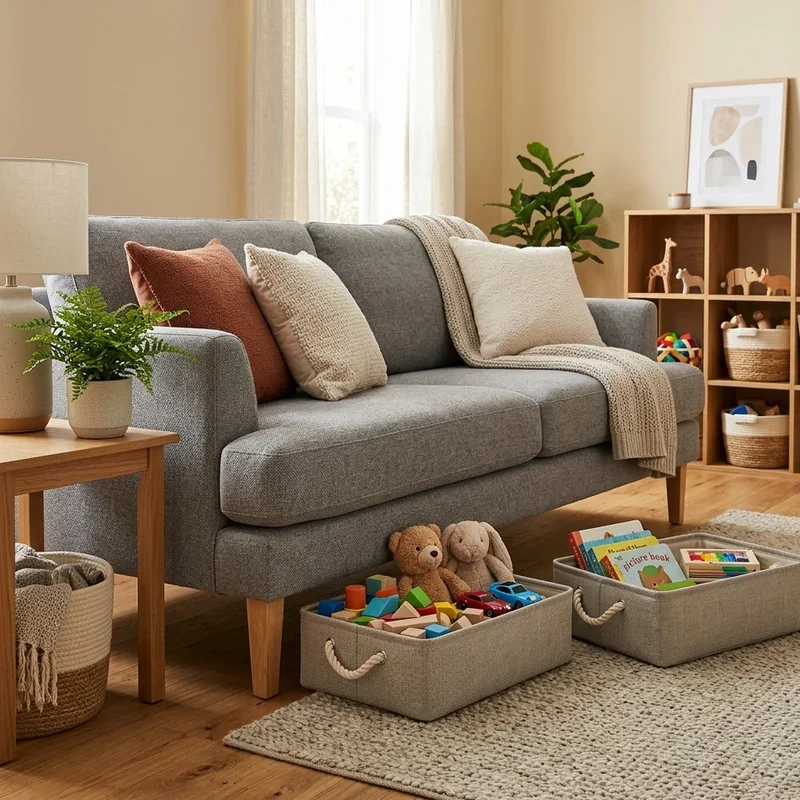
Under-sofa storage bins slide flat, shallow containers beneath your couch, utilizing the hidden, dust-bunny-inhabited, currently-wasted gap between the sofa bottom and the floor where several inches of completely empty, totally unused, nobody-even-looks-there dead space sits waiting for the slim, low-profile, specifically-designed-for-under-furniture storage bins that transform the invisible gap into functional toy storage accessible through a simple, child-manageable, slide-out-and-slide-back retrieval system that requires nothing beyond reaching beneath the couch and pulling the bin forward into the play zone. Choose slim, flat storage bins fitting your sofa's specific ground clearance height, since the properly sized containers slide smoothly without catching on the frame above. Label bins for easy identification. Use bins with lids for dust protection. Think of under-sofa bins like hidden drawers beneath furniture. Your gap stores secretly.
13. Decorative Trunk Toy Chest
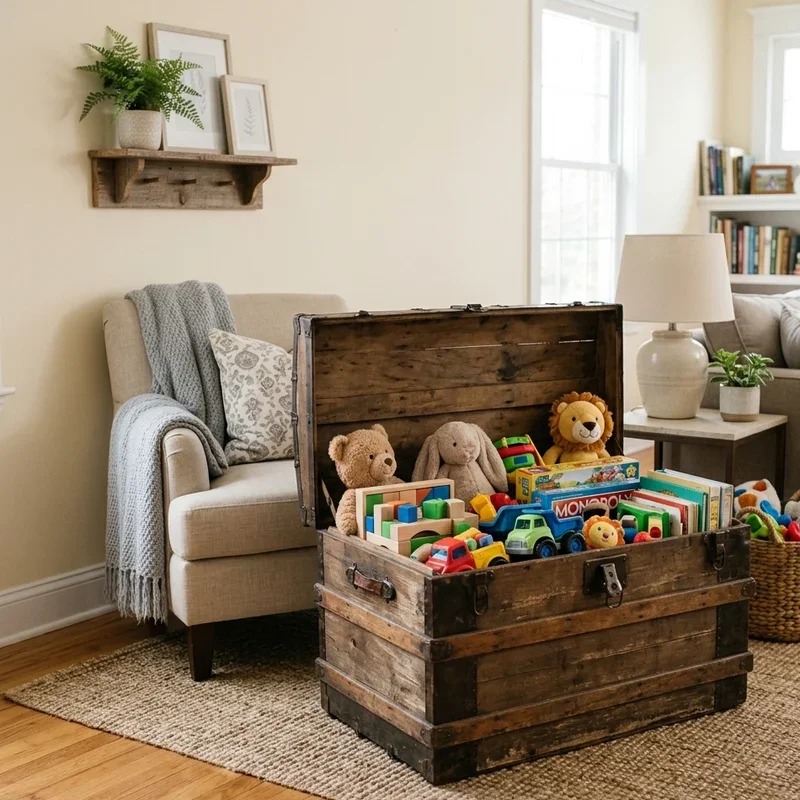
A decorative trunk positions a vintage, leather-wrapped, metal-cornered, or upholstered chest in your living room where the substantial, furniture-quality, conversation-starting storage piece holds toys inside its deep, spacious, everything-fits interior while the exterior presents the kind of old-world, well-traveled, design-worthy object that guests admire as genuine decoration rather than recognizing as the toy container it actually serves as between the rare, brief moments when the lid opens and the true, toy-packed, kid-chaos interior reveals itself before closing again behind its handsome, antique-looking, secret-keeping exterior. Choose a vintage or reproduction trunk in leather, wood, or woven material, since the decorative exterior serves as genuine living room furniture. Position at the foot of the sofa or beside an armchair. Add a cushion on top for seating. Think of trunks like treasure chests disguised as decor. Your toys hide handsomely.
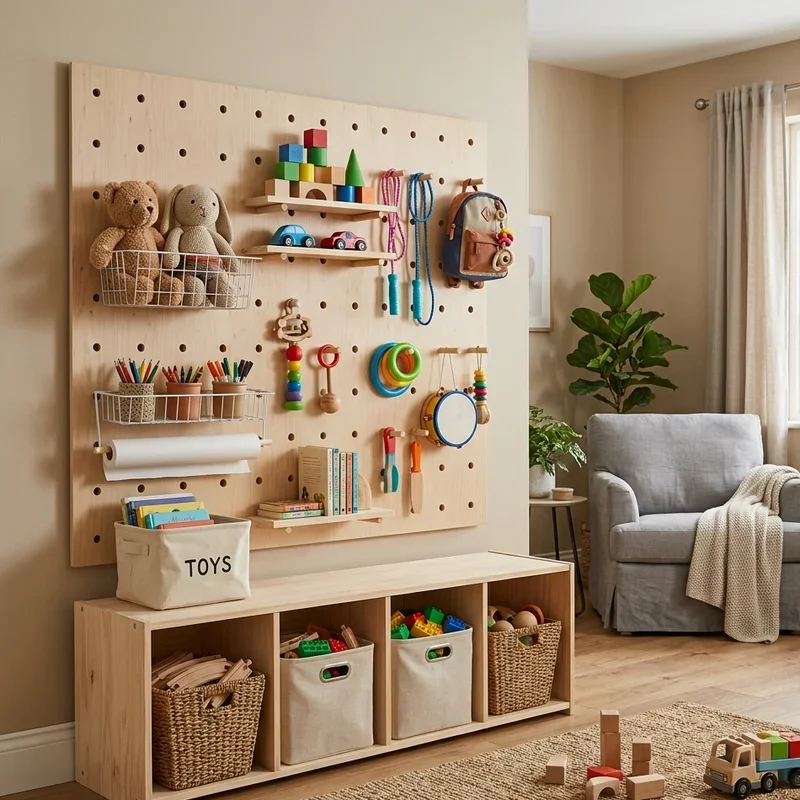
14. Pegboard Wall Organizer
A pegboard wall organizer mounts a customizable grid panel on the living room wall, where hooks, baskets, and small shelves hold frequently used toys, art supplies, and small items in the organized, visible, grab-and-return accessible format that closed storage delivers concealment but pegboard alternatives deliver accessibility through their open, everything-visible, kids-can-see-exactly-where-it-goes organizational display helping children learn independent cleanup through the visual, labeled, clear-as-day designated placement that each hook and basket communicates through its obvious, item-specific, put-it-back-right-here positioning across the organized grid. Mount a painted pegboard panel at child height, since the colorful, room-coordinated background integrates the organizer into your decor. Add hooks for dress-up items. Include baskets for small toys. Rearrange as needs change. Think of pegboards like interactive organizational walls. Your children learn to tidy.
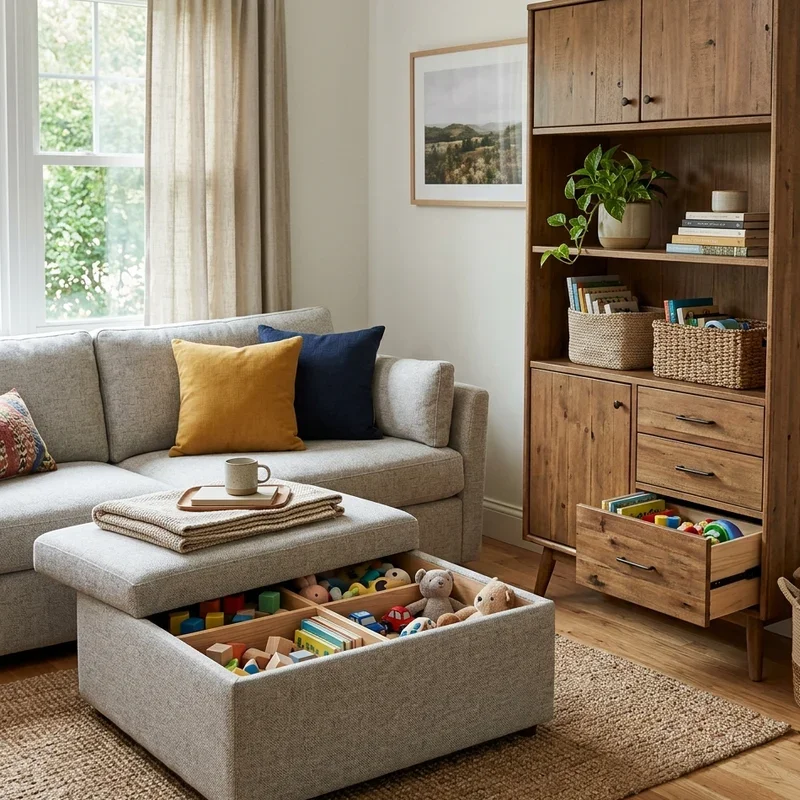
15. Furniture with Hidden Compartments
Furniture with hidden compartments builds secret toy storage into seemingly ordinary living room pieces, where end tables with concealed drawers, media consoles with interior shelving, and benches with lift-top lids all contain invisible toy-holding spaces that guests never discover behind the conventional, nothing-unusual, just-regular-furniture exterior presenting zero evidence of the organized childhood chaos contained within every discretely designed, cleverly engineered, secret-compartment-equipped piece occupying your living room with dual-identity, mild-mannered-furniture-by-day, toy-chest-by-function stealth throughout its seemingly innocent, perfectly conventional presence. Choose multiple furniture pieces throughout the room with built-in storage compartments, since the distributed hiding spots spread toy storage across several locations rather than concentrating everything in one obvious toy zone. Include end tables with doors, benches with lids, and media consoles with lower cabinets. Think of hidden compartments like spy furniture for parents. Your room conceals everything.
Conclusion
Living room toy storage ideas prove that children and sophisticated interior design coexist beautifully when smart, dual-purpose, design-conscious storage solutions hide the inevitable toy chaos behind furniture faces, inside decorative containers, and beneath cushioned surfaces that present adult-appropriate living room aesthetics to the world while concealing the colorful, plastic, battery-powered childhood reality living just beneath the calm, organized, nothing-to-see-here surface your guests admire without ever suspecting the toy-packed truth hiding inches away inside every cleverly designed storage solution surrounding them. These fifteen ideas match every home style with genuine, clutter-taming solutions. Start organizing your living room toys today.
Read next: 15 Living Room Built In Cabinet Ideas for Storage
Frequently Asked Questions
Q1: How do I keep a living room tidy with kids' toys?
A: Use closed storage, daily cleanup routines, toy rotation systems, and designated play zones with accessible organizational bins.
Q2: What toy storage blends best with living room decor?
A: Woven baskets, storage ottomans, and decorative trunks blend seamlessly while hiding toys inside stylish, adult-appropriate containers.
Q3: Should toys be stored in the living room or playroom?
A: Keep a small, rotated selection in the living room while storing the full collection in a dedicated playroom.
Q4: How do I teach kids to clean up their living room toys?
A: Use labeled bins with picture guides, establish consistent cleanup routines, and make storage accessible at child height.
Q5: What's the most affordable living room toy storage solution?
A: Woven baskets and fabric bins from discount retailers deliver attractive, functional toy storage for under thirty dollars.
Stay up to date with our latest ideas!