How to Fix Cat Scratches on a Leather Couch
Learn how to fix cat scratches on a leather couch with simple DIY methods. Restore your furniture fast with these proven tips.
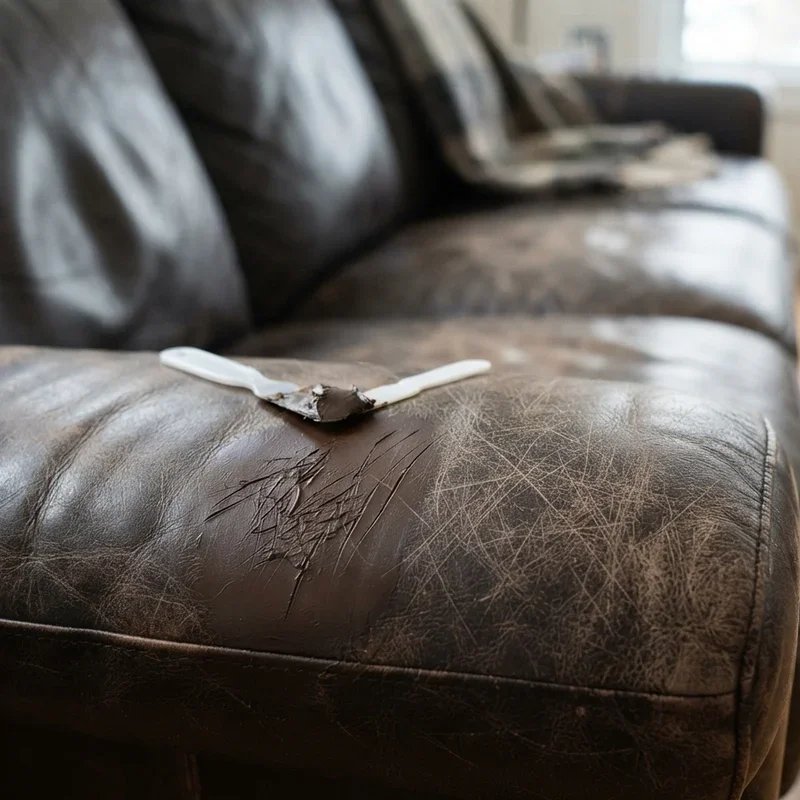
We love our cats. We really do. They're fuzzy, they're entertaining, and they have a way of making even the worst day a little bit better. But let's be honest here. The moment you catch your beloved feline going to town on your leather couch, that warm fuzzy feeling vanishes pretty quickly. Suddenly, you're staring at a web of scratches across what used to be a gorgeous piece of furniture, and you're wondering if you need to toss the whole thing to the curb.
Before you panic or start browsing furniture stores, take a breath. Learning how to fix cat scratches on a leather couch is way easier than most people think. In many cases, you can handle the repair yourself with a few household items and a little patience. Whether the scratches are light surface marks or deeper gouges that make you wince, there's a solution out there for every level of damage. So grab a cup of coffee, keep the cat off the couch for a few minutes, and let's walk through everything you need to know.
Understanding the Type of Leather on Your Couch
Why Leather Type Matters Before You Start Any Repair
Here's the thing most people skip right over. Not all leather is created equal, and the type of leather on your couch completely changes how you should approach the repair. Jumping straight into a fix without knowing what you're working with is like trying to bake a cake without checking whether you have flour. It's just not going to end well.
Most leather couches fall into one of a few categories. Finished leather, sometimes called protected or pigmented leather, has a coating on the surface that gives it a uniform color and some resistance to stains and scratches. This is the most common type found in living rooms, and luckily, it's also the easiest to repair.
Aniline leather, on the other hand, is dyed with soluble dyes without any surface coating. It looks and feels incredibly natural, almost buttery to the touch. But because there's no protective layer, it's more vulnerable to scratching and staining. Semi-aniline leather sits somewhere in between, offering a bit of protection while still maintaining that soft, natural look.
To figure out what you've got, try placing a small drop of water on an inconspicuous area. If it soaks in quickly and darkens the leather, you're probably dealing with aniline or semi-aniline. If it beads up on the surface, you likely have finished leather. Knowing this upfront saves you from accidentally making things worse.
Assessing the Damage How Bad Are Those Scratches?
Surface Scratches vs. Deep Gouges
Before diving into repairs, take a good hard look at what your cat has actually done. Not all scratches are the same, and the depth of the damage determines which approach you'll need to take.
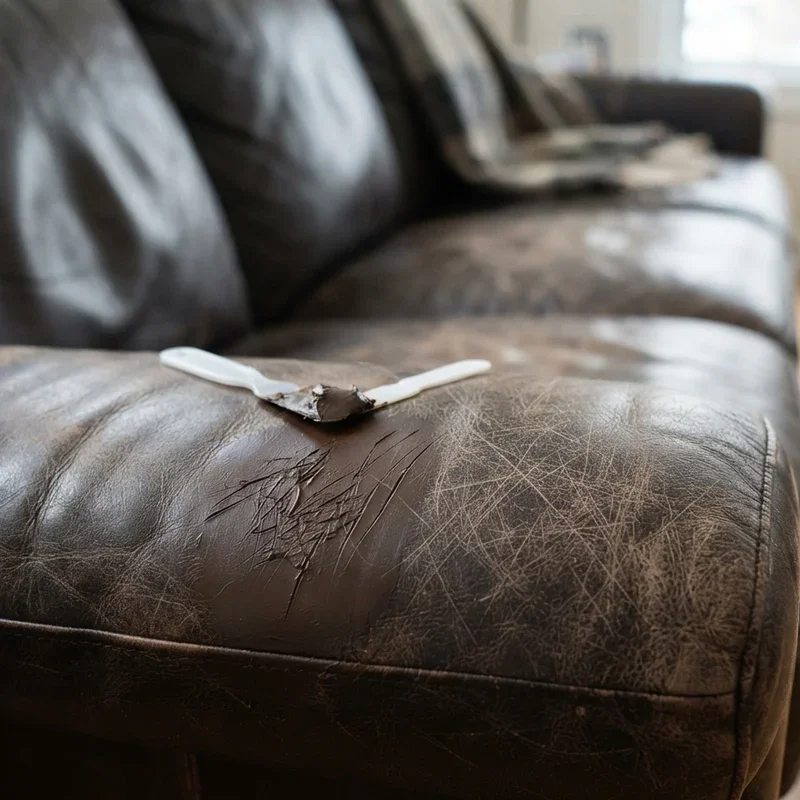
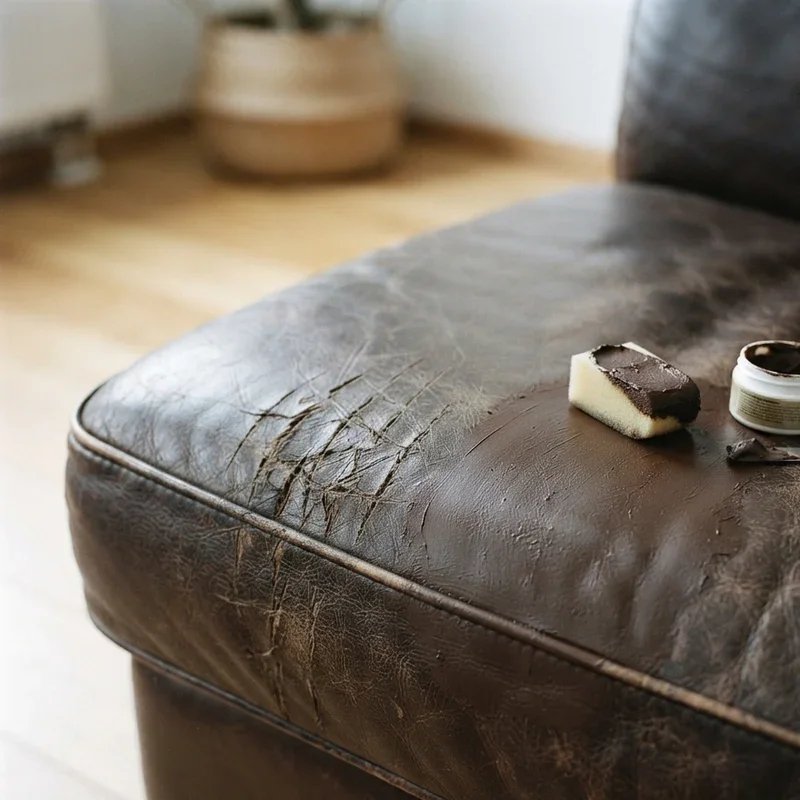
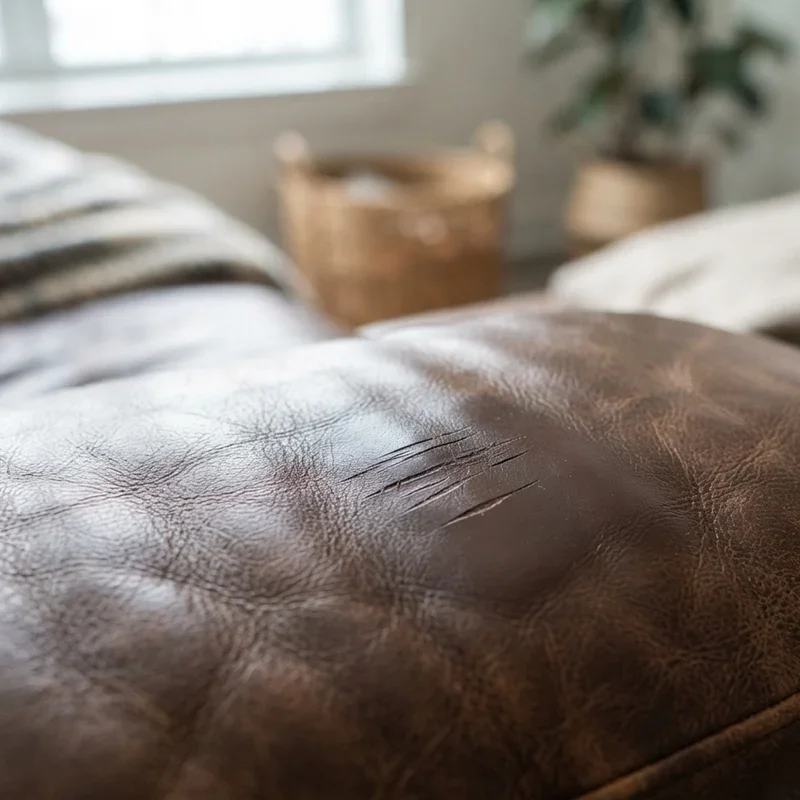
Surface scratches are the most common type. These are the light, whitish marks that appear when your cat drags its claws across the leather without actually tearing through it. They look alarming at first glance, but they're really just scuffs on the surface coating. In many cases, you can buff these out with nothing more than your fingertip and a bit of warmth.
Then there are moderate scratches that go a little deeper. These might catch your fingernail when you run it across the surface, and they typically require some kind of leather conditioner or cream to fill in and smooth over.
Deep gouges are the ones that make your heart sink. These are actual tears or cuts in the leather where material has been removed or displaced. They need more serious intervention, sometimes involving leather filler compounds or even professional help. But don't throw in the towel just yet. Even deep scratches can often be repaired at home with the right products and technique.
How to Fix Cat Scratches on a Leather Couch Step-by-Step Methods
Method One: The Finger Rub Technique for Light Scratches
This is the simplest trick in the book, and honestly, it works like magic on light surface scratches. The natural oils in your skin, combined with a little friction and heat, can actually help the leather's own oils redistribute and fill in minor scuffs.
Start by cleaning the scratched area with a soft, damp cloth to remove any dirt or debris. Then, using your fingertip, gently rub the scratch in a circular motion. Apply moderate pressure and keep going for about 30 to 60 seconds. The warmth from the friction helps the leather's natural oils rise to the surface and blend the scratch back into the surrounding material.
You'd be surprised how many light scratches disappear completely with this method. It won't cost you a dime, and it takes less time than making a sandwich. If the scratch fades but doesn't vanish entirely, move on to the next method.
Method Two: Using Olive Oil or Leather Conditioner
When the finger rub technique gets you partway there but the scratch is still visible, it's time to bring in some reinforcement. Olive oil is a pantry staple that doubles as a surprisingly effective leather treatment for minor scratches.
Dab a small amount of olive oil onto a soft cotton cloth and gently rub it into the scratch using circular motions. The oil penetrates the leather and helps restore moisture and flexibility to the damaged area. Let it sit for about an hour, then wipe away any excess with a clean cloth. The scratch should look significantly less noticeable.
Now, a word of caution. Olive oil works great in a pinch, but it's not a long-term leather care solution. Over time, it can darken certain types of leather or attract dust. For a more reliable option, invest in a quality leather conditioner. Products specifically designed for leather furniture will nourish the material without the risks that come with kitchen shortcuts. Apply the conditioner according to the product instructions, and you'll likely see those scratches fade right before your eyes.
Method Three: Leather Recoloring Balm for Moderate Scratches
If your cat's scratches have gone beyond the surface and disrupted the color of the leather, a recoloring balm can be a real lifesaver. These products are essentially tinted creams that restore color to faded or scratched areas while also conditioning the leather.
First, clean the area thoroughly with a leather cleaner and let it dry completely. Then, using a sponge or soft cloth, apply a thin layer of the recoloring balm that matches your couch's color. Work it into the scratch using gentle, circular strokes. Allow it to dry, then buff the area with a clean cloth to blend it into the surrounding leather.
Most recoloring balms come in a wide range of shades, and some brands even let you mix colors to get an exact match. It's worth taking your time here. Rushing through the color-matching process can leave you with a patch that looks obviously repaired, and nobody wants that.
Method Four: Leather Filler for Deep Scratches and Gouges
Alright, this is where things get a bit more involved. If your cat really went to town and left deep scratches or actual tears in the leather, you'll need a leather filler compound to repair the damage properly.
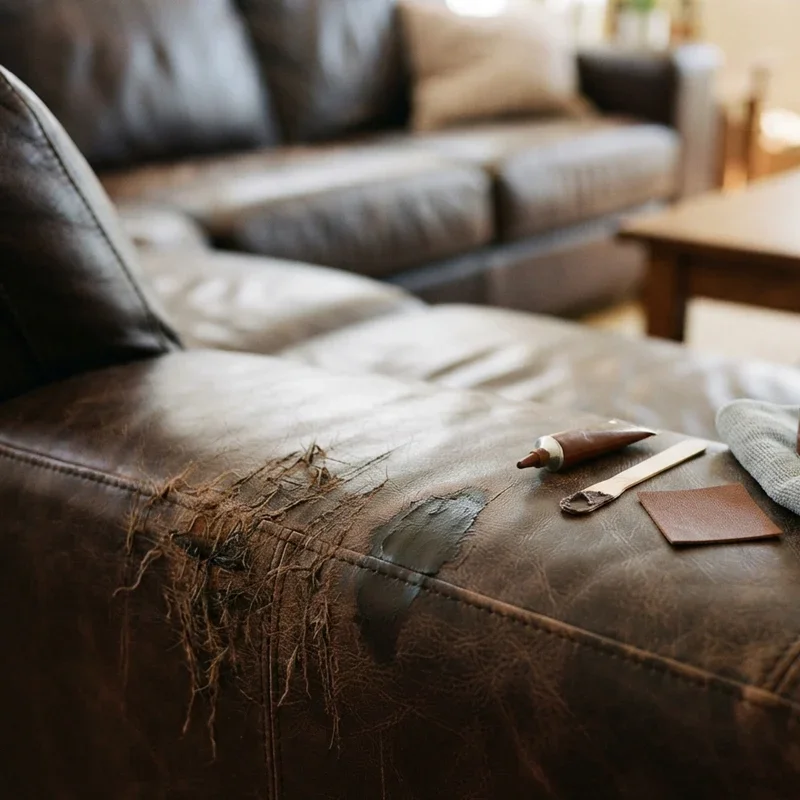
Start by cleaning the area and trimming any loose leather fibers with small scissors. Apply the leather filler with a palette knife or a small spatula, spreading it evenly across the damaged area. Build it up in thin layers rather than trying to fill the gouge all at once. Each layer needs to dry completely before you add the next one. Depending on the product, drying times can range from 20 minutes to a couple of hours.
Once the filler is fully dried and level with the surrounding surface, lightly sand it with fine-grit sandpaper to smooth everything out. Then apply a leather colorant or recoloring balm to match the rest of the couch. Finish with a sealant or topcoat to protect the repair and give it a consistent sheen.
It sounds like a lot of steps, but each one is straightforward. And the results can be genuinely impressive. A well-done filler repair can make deep scratches virtually invisible.
Products You'll Want to Have on Hand
Building Your Leather Repair Kit
If you're a cat owner with a leather couch, putting together a small repair kit isn't a bad idea. Think of it as insurance for your furniture. Having the right supplies ready means you can tackle scratches as soon as they appear, before they have a chance to get worse.
Here's what a solid leather repair kit should include: a good leather cleaner to prep the surface before any repair, a high-quality leather conditioner for regular maintenance and minor scratch treatment, a recoloring balm in your couch's shade for color restoration, leather filler for deeper damage, fine-grit sandpaper for smoothing filler repairs, a leather sealant or finish to protect completed repairs, and soft cotton cloths and sponges for application.
Many companies sell complete kits that bundle these items together, which can save you money compared to buying everything separately. Just make sure whatever products you choose are compatible with your specific type of leather. Reading the labels carefully is worth the extra minute or two.
How to Fix Cat Scratches on a Leather Couch and Prevent Future Damage
Training and Deterrent Strategies
Fixing the scratches is only half the battle. If you don't address the root cause, you'll be doing repairs every other week. Cats scratch because it's a natural behavior. They're stretching their muscles, marking territory, and shedding old claw sheaths. You can't stop them from scratching entirely, but you can redirect where they do it.
Investing in a sturdy scratching post is one of the best moves you can make. Place it near the couch so your cat has an appealing alternative within paw's reach. Sisal rope posts tend to be a big hit with most cats because the texture is satisfying to dig into. Cardboard scratching pads are another budget-friendly option that many cats love.
Deterrent sprays can also help keep your cat away from the couch. Citrus-scented sprays work well because most cats dislike the smell of lemon or orange. You can even make your own by mixing water with a few drops of citrus essential oil in a spray bottle. A light misting on the couch cushions, applied regularly, can discourage your cat from treating your furniture like a personal scratching station.
Protective Covers and Nail Maintenance
Another practical step is using furniture covers or throws on the areas where your cat tends to scratch. Thick blankets or specially designed couch protectors create a physical barrier between those sharp claws and your leather. They're easy to wash and far cheaper to replace than a new couch.
Keeping your cat's nails trimmed is equally important. Regular nail trims every two to three weeks reduce the sharpness of the claws and minimize the damage they can do. If trimming nails isn't your strong suit, most veterinarians and groomers offer the service for a small fee. Some cat owners also opt for soft nail caps, which are small vinyl covers that glue onto the claws and prevent scratching damage without affecting the cat's ability to retract its claws naturally.
When to Call a Professional
Knowing Your Limits
Look, there's no shame in admitting that a repair job is beyond your skill level. If the damage is extensive, covering large sections of the couch, or if your attempts at DIY repair haven't produced the results you were hoping for, it might be time to bring in a professional leather restoration specialist.
These folks have access to commercial-grade products and techniques that simply aren't available to the average homeowner. They can color-match with precision, repair structural damage to the leather itself, and apply finishes that look factory-fresh. The cost varies depending on the extent of the damage and your location, but many people find that professional restoration is significantly cheaper than replacing the entire couch.
Before hiring anyone, ask for references, look at before-and-after photos of their work, and get a written estimate. A good leather repair professional will be upfront about what's achievable and honest about whether the damage warrants restoration or replacement.
Common Mistakes to Avoid During Leather Scratch Repair
What Not to Do When Fixing Your Couch
Even with the best intentions, it's easy to make mistakes that turn a small problem into a bigger one. Here are some pitfalls to watch out for when figuring out how to fix cat scratches on a leather couch.
Using harsh chemicals or household cleaners is a big no. Products like bleach, ammonia, or all-purpose cleaners can strip the leather's finish and cause discoloration. Stick to cleaners specifically formulated for leather.
Skipping the patch test is another common blunder. Before applying any product to the scratched area, test it on a hidden spot first. The underside of a cushion or the back of the couch works perfectly. This way, if the product causes a reaction, you won't have a visible problem on your hands.
Over-saturating the leather with oil or conditioner can also backfire. A little goes a long way with these products. Applying too much can leave the leather feeling greasy, attract dirt, or cause dark spots that are tough to remove.
Finally, don't rush the drying process between filler layers. Impatience is the enemy of a clean repair. Each layer needs to dry fully before you apply the next, or you'll end up with a bumpy, uneven surface that looks worse than the original scratch.
Conclusion
Learning how to fix cat scratches on a leather couch doesn't require professional training or an expensive toolkit. From the simple finger rub technique for surface scuffs to leather filler for deeper gouges, there's a repair method suited for every level of damage. The key is identifying your leather type, assessing the severity, and choosing the right approach. Pair your repair efforts with preventive strategies like scratching posts and nail trims, and your leather couch can coexist peacefully with your furry companion for years to come.
Read next: 15 Couch Fort Ideas to Build the Ultimate Blanket Fort
Frequently Asked Questions
1.Can cat scratches on leather be fully repaired at home?
Yes, most light to moderate cat scratches on leather can be repaired using DIY methods.
2.Does olive oil really work on leather scratches?
Olive oil can temporarily reduce visibility of minor scratches, but leather conditioner works better long-term.
3.How often should I condition my leather couch?
Conditioning your leather couch every three to six months helps maintain its appearance and flexibility.
4.Will a scratching post actually stop my cat from clawing furniture?
A quality scratching post placed near furniture significantly reduces the chance of couch scratching behavior.
5.When should I hire a professional for leather couch repair?
Consider professional help when scratches are deep, widespread, or your DIY attempts haven't worked well.
Stay up to date with our latest ideas!