Discover what is an awning window in home design, how it works, its benefits, styles, and why it could be perfect for your home.
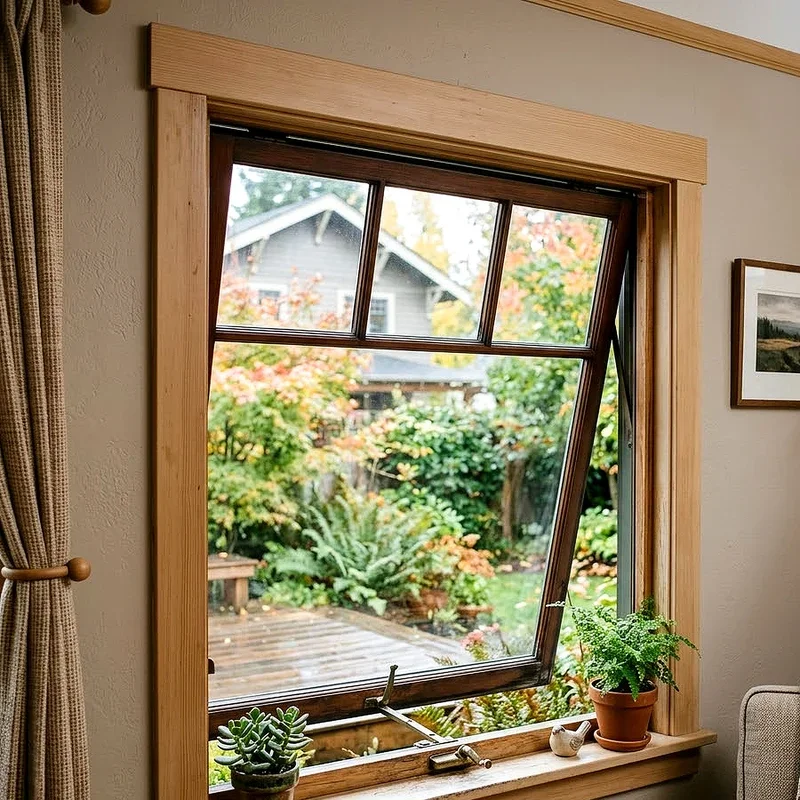
Ever walked through a model home and noticed those little windows that push outward from the bottom? You know, the ones that look like they are doing a tiny salute to the sky? Well, chances are you were looking at an awning window. And honestly, once you understand what is an awning window in home design, you might just find yourself wanting them all over your house. These windows have been around for quite a while, but they have never really gone out of style. There is something timeless about a design that combines good looks with genuine practicality. So if you have been scratching your head trying to figure out which window style fits your renovation or new build, stick around.
Understanding What Is an Awning Window in Home Design
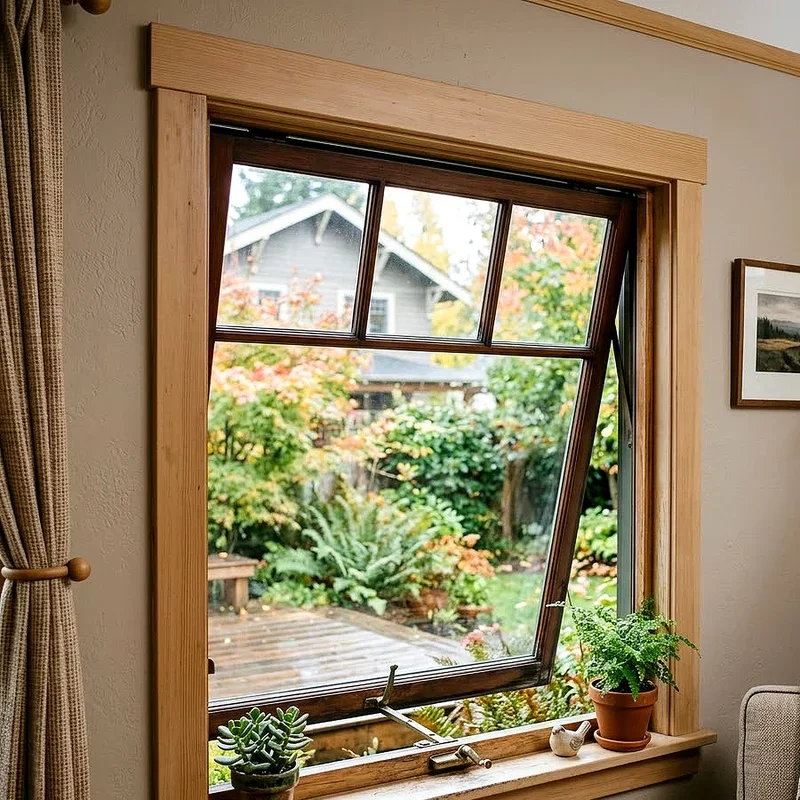
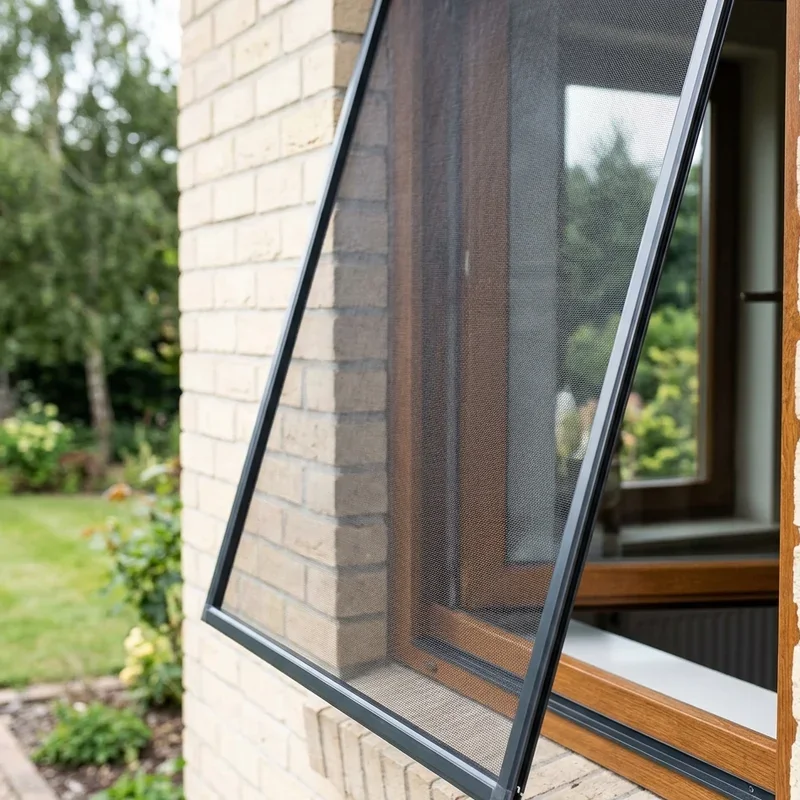
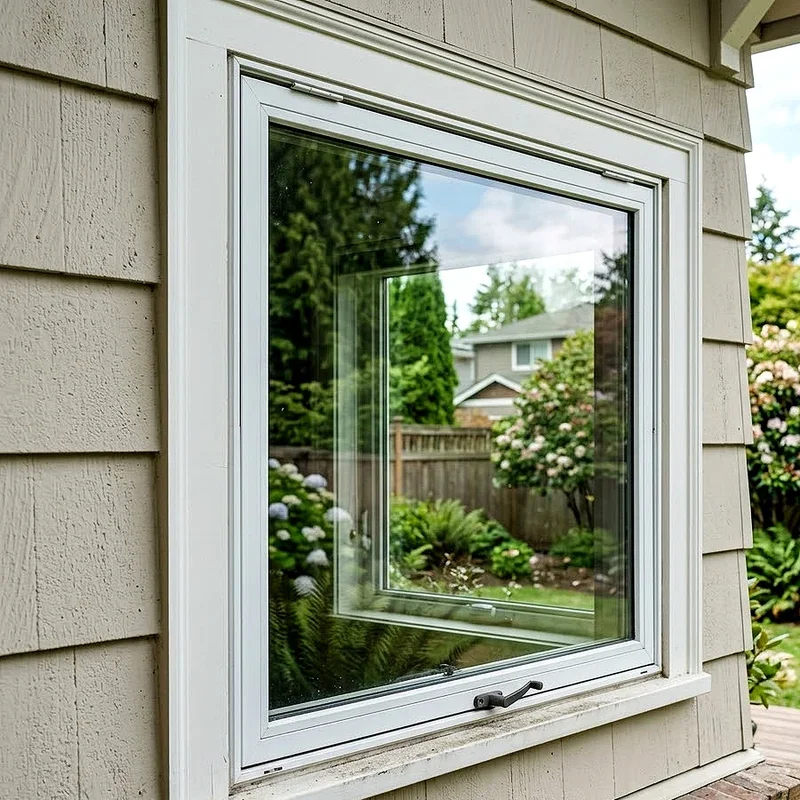
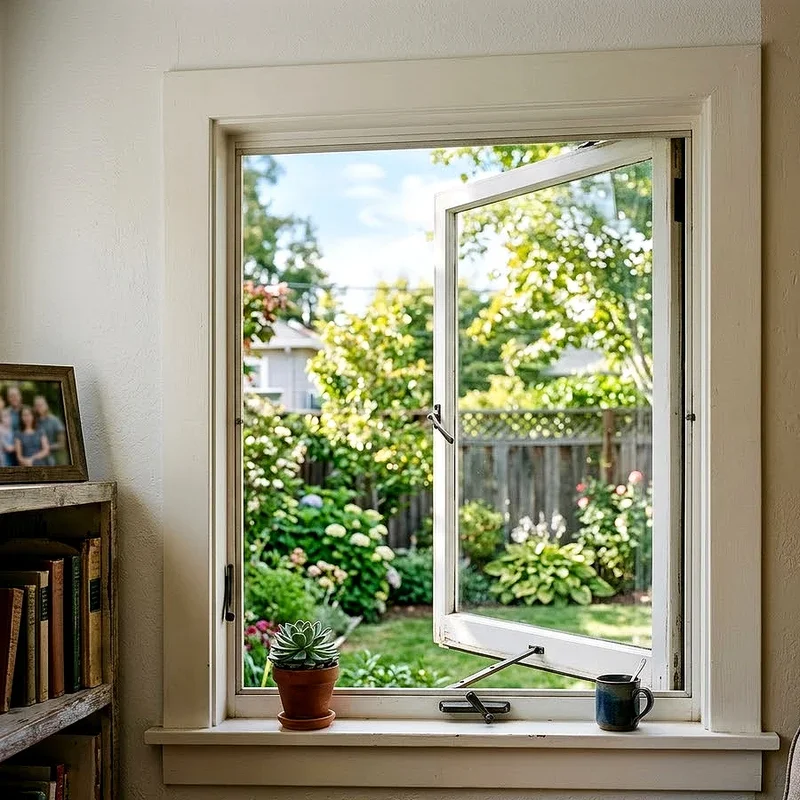
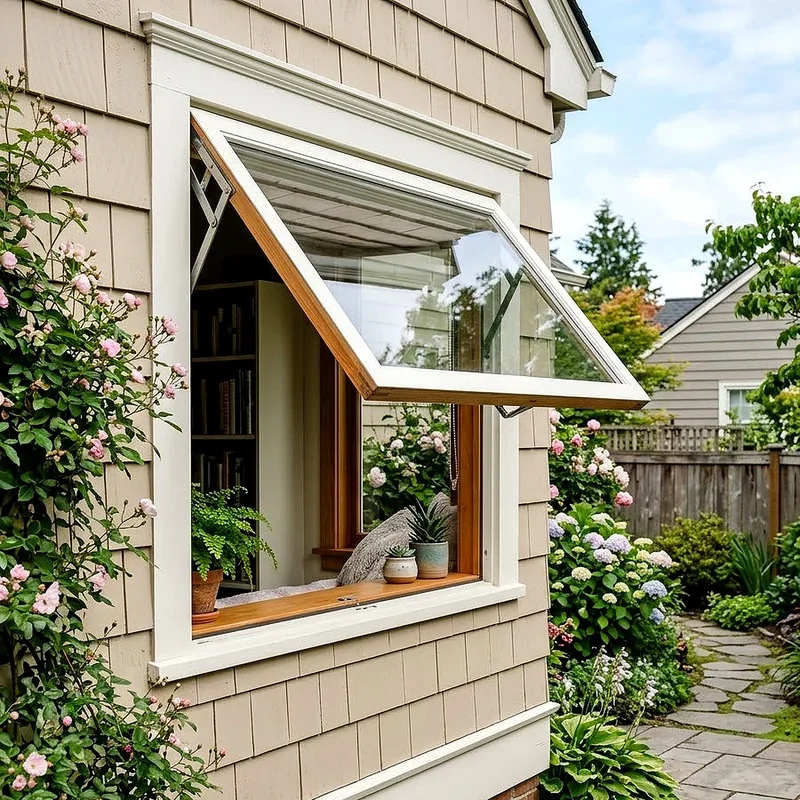
Let us start with the basics, shall we? An awning window is hinged at the top and swings outward from the bottom when you open it. Picture it like a little canopy or, well, an awning over a storefront. That is exactly where the name comes from. When it is open, the glass panel creates a small shelter, which means rain stays outside while fresh air flows right in. Pretty clever, right?
Unlike double-hung or sliding windows, awning windows do not move up, down, or sideways. They tilt outward on a hinge mechanism, and most of them come with a crank handle that lets you control exactly how far you want them to open. You will often spot them in bathrooms, kitchens, basements, and even paired up with larger picture windows to add ventilation without sacrificing the view. They tend to be wider than they are tall, though you can find them in all sorts of sizes depending on the manufacturer and your specific needs.
One thing that really sets awning windows apart is their sealing ability. Because the sash presses tightly against the frame when closed, they offer a fantastic seal against drafts and moisture. That is why they have earned a reputation for being energy efficient and weather resistant. In regions that see a lot of rain or wind, awning windows can be a lifesaver.
A Brief History of Awning Windows in Architecture
You might be surprised to learn that awning windows are not some modern invention. They have been part of residential and commercial architecture for over a century. Early versions were simple wooden frames with manual push-out mechanisms. Over time, manufacturers started using aluminum, vinyl, and fiberglass to improve durability and insulation.
During the mid-twentieth century, awning windows gained popularity in ranch-style homes and mid-century modern designs. Architects loved them because they allowed for creative placement on walls where traditional windows just would not work. Think about those narrow spaces above kitchen counters or along hallways near the ceiling. An awning window fits right in without taking up valuable wall space.
Today, you will find awning windows made from all sorts of materials, equipped with low-emissivity glass, argon gas fills, and advanced weatherstripping. They have come a long way from their humble beginnings, but the core idea remains the same. Open from the bottom, hinge at the top, and let the breeze do its thing.
How Awning Windows Actually Work
So how does the whole mechanism come together? It is simpler than you might think. The window sash is attached to the frame at the top with a set of hinges. When you turn the crank handle, usually located at the bottom of the window, a gear mechanism pushes the bottom of the sash outward. Some newer models use a friction hinge system that allows you to simply push the window open and it stays in place without a crank.
The beauty of this design is control. You can open the window just a crack for a gentle breeze or push it out further for maximum airflow. And because the glass tilts outward at an angle, it naturally deflects rain away from the opening. That means you do not have to rush to close every window in the house the moment clouds roll in.
Most awning windows also come with a multipoint locking system that engages at several spots around the frame. This gives you better security and a tighter seal compared to single-lock designs. When you close the window and lock it, the sash compresses the weatherstripping evenly, which cuts down on air leaks and noise from outside.
Where Awning Windows Shine in Home Design
Now, here is where things get really interesting. Awning windows are incredibly versatile, and they fit into spots where other window styles simply cannot compete. Let us look at some of the best places to use them in your home.
Bathrooms are probably the most common spot for awning windows. Since they can be placed higher on the wall, they provide ventilation and natural light while keeping your privacy intact. Nobody wants a ground-level window in a bathroom, and an awning window solves that problem beautifully.
Kitchens are another natural fit. Many homeowners install awning windows above the kitchen sink or along the backsplash area. They are easy to operate, even when your hands are wet or soapy, thanks to that handy crank mechanism. Plus, they keep cooking odors moving out of the house without letting rain sneak in during a surprise shower.
Basements benefit enormously from awning windows. These spaces often sit partially below grade, so you need a window that can handle moisture and still provide ventilation. Awning windows sit close to the ceiling in a basement, maximizing natural light while staying out of the way.
Living rooms and bedrooms can also use awning windows, especially when they are combined with larger fixed windows. A popular design approach is to place a large picture window in the center of a wall and flank it with awning windows on either side or install them directly above or below. This gives you an expansive view with the option to open up for fresh air whenever you want.
Benefits That Make Awning Windows a Smart Choice
There are plenty of reasons homeowners keep coming back to awning windows, and it is not just about looks. Here are some of the key advantages that make them a smart pick for just about any home.
Ventilation in the rain is arguably the biggest selling point. Because the window swings outward, it acts as a shield against rain while still allowing air to circulate. You can leave them open during a light drizzle without worrying about water damage to your floors or windowsills.
Energy efficiency is another major benefit. The compression seal created when the sash closes against the frame is one of the tightest you will find in any window style. This means less air leakage, which translates to lower heating and cooling bills throughout the year. If you are trying to build a green home or simply cut down on energy costs, awning windows are worth considering.
Security is often overlooked, but it matters. Awning windows are inherently harder to break into than sliding or double-hung windows. The hinge mechanism at the top makes it difficult for someone to pry the window open from the outside, especially when a multipoint lock is engaged.
Natural light is plentiful with awning windows because they can be installed in positions where other windows just do not fit. High on a wall, in narrow spaces, or in combination with larger fixed panes, they bring sunshine into areas that might otherwise feel dark and closed off.
Easy maintenance rounds out the list. Most modern awning windows feature a design that allows you to clean both sides of the glass from inside your home. No ladders, no awkward reaching, and no hiring a window cleaning crew for a second-story bathroom window.
Comparing Awning Windows to Other Popular Styles
It helps to see how awning windows stack up against the competition. Each window style has its strengths, but awning windows hold their own in several important categories.
When compared to casement windows, awning windows share a lot of similarities. Both use a crank mechanism and swing outward. The difference is that casement windows are hinged on the side, while awning windows are hinged at the top. Casement windows are better for tall, narrow openings, while awning windows work well in wide, short spaces.
Double-hung windows are probably the most traditional style in American homes. They slide up and down, which means they do not protrude outward. This is great for windows facing walkways or patios, but double-hung windows do not seal as tightly as awning windows, and they cannot stay open during rain without letting water in.
Sliding windows move horizontally and are popular for wide openings. They are easy to use and affordable, but they also do not match awning windows in terms of sealing and energy efficiency. Sliding windows rely on a track system that can collect dirt and debris over time, affecting smooth operation.
Materials and Customization Options
When you start shopping for awning windows, you will quickly notice that there is no shortage of options. The frame material alone gives you several paths to consider.
Vinyl frames are the most popular choice for budget-conscious homeowners. They are low maintenance, resist moisture, and provide decent insulation. You will find them in white and a handful of neutral colors, though some manufacturers offer painted or laminated finishes for a custom look.
Wood frames bring warmth and character that vinyl simply cannot match. They are perfect for traditional, craftsman, or farmhouse-style homes. The downside is that wood requires more upkeep, including regular painting or staining to prevent rot and warping.
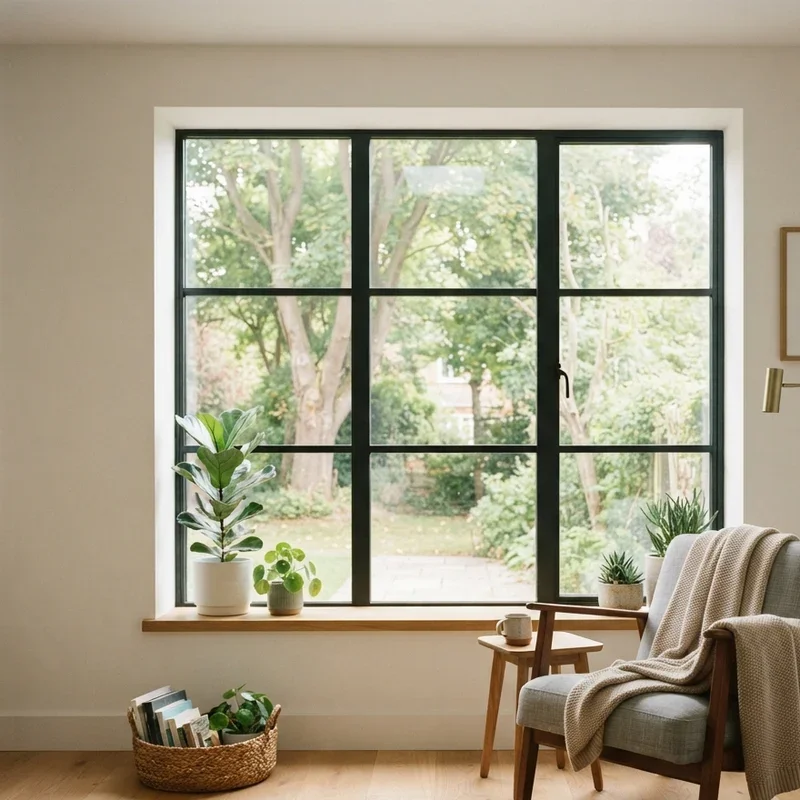
Aluminum frames are lightweight and strong, making them a favorite for commercial buildings and modern residential designs. They are slim, which maximizes the glass area and gives you cleaner sight lines. However, aluminum conducts heat and cold more readily, so look for models with a thermal break built into the frame.
Fiberglass frames are the premium option. They are incredibly durable, resist expansion and contraction from temperature changes, and can be painted to match any color scheme. They cost more upfront, but many homeowners consider them a worthwhile investment for their longevity and performance.
Beyond the frame, you can customize your awning windows with various glass options, including double-pane or triple-pane insulated glass, tinted glass, frosted glass for privacy, and low-emissivity coatings that reflect heat. Hardware finishes, grid patterns, and interior trim colors add even more ways to make the window fit your personal style.
Common Mistakes to Avoid When Choosing Awning Windows
Jumping into a window purchase without doing your homework can lead to some frustrating outcomes. Here are a few pitfalls worth watching out for.
Ignoring the swing clearance is a classic mistake. Remember, awning windows push outward, so you need to make sure there is enough space outside for the window to open fully. If you have a narrow walkway, a porch roof, or landscaping right up against the exterior wall, the window might not open properly or could bump into obstacles.
Choosing the wrong size for the opening seems obvious, but it happens more often than you would think. Always measure twice and confirm with your supplier. A window that is too small will need filler material, and one that is too large will require structural modifications to the wall opening.
Skipping proper installation is a recipe for trouble. Even the best window in the world will leak, rattle, and underperform if it is not installed correctly. Hire a qualified installer or, if you are a handy do-it-yourselfer, follow the manufacturer's instructions to the letter.
Forgetting about local building codes can catch you off guard. Some areas have specific requirements for window sizes, especially in bedrooms where egress windows are necessary for emergency exits. Awning windows may or may not meet egress requirements depending on their size, so check with your local building department before making a final decision.
What Is an Awning Window in Home Design Worth in Terms of Cost?
Let us talk dollars and cents, because budget matters. The cost of an awning window depends on several factors, including the frame material, glass type, size, and brand. On average, you can expect to pay anywhere from one hundred and fifty dollars to over six hundred dollars per window for a standard-sized unit.
Vinyl awning windows sit at the lower end of the price spectrum, while fiberglass and wood models will push your budget higher. Installation costs add another one hundred to three hundred dollars per window, depending on whether it is a straightforward replacement or a new construction installation that requires framing work.
Keep in mind that investing in quality windows pays off over time through reduced energy bills and increased home value. A well-chosen awning window can last twenty to thirty years or more with proper care, so think of it as a long-term investment rather than a short-term expense.
Maintenance Tips to Keep Your Awning Windows in Top Shape
Taking care of your awning windows does not require a lot of effort, but a little regular attention goes a long way. Clean the glass and frame at least twice a year with mild soap and water. Avoid harsh chemicals or abrasive cleaners that could damage the finish or the weatherstripping.
Lubricate the crank mechanism and hinges once a year with a silicone-based spray. This keeps everything moving smoothly and prevents that annoying squeaky sound that develops over time. Check the weatherstripping for signs of wear, cracking, or compression, and replace it if it no longer provides a good seal.
Inspect the exterior caulking around the frame every spring. Over time, caulk can shrink, crack, or pull away from the frame, allowing water to seep behind the window and into the wall. A quick re-caulking job takes minutes and can save you from expensive water damage repairs down the road.
Conclusion
So there you have it. Understanding what is an awning window in home design really comes down to appreciating a simple yet effective concept. These windows ventilate your home, resist rain, seal tightly, and fit into spaces other styles cannot handle. Whether you are building from scratch or updating an older home, awning windows bring a combination of practicality and style that is hard to beat. Give them a serious look and you might just wonder why you did not choose them sooner.
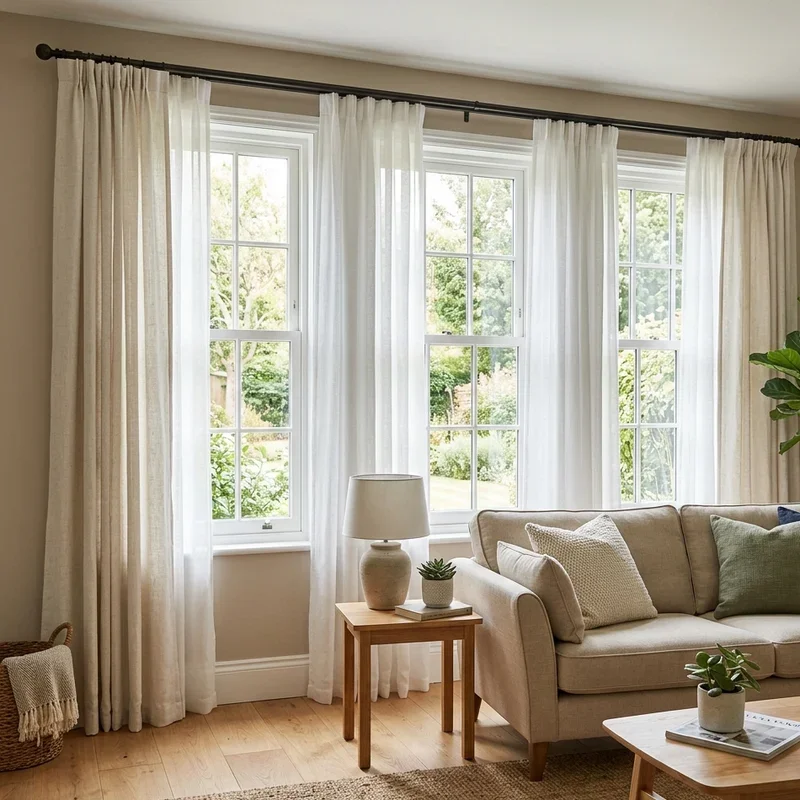
Read next: 15 Three Window Living Room Curtain Ideas for Stylish Homes
Frequently Asked Questions
Q1. What is an awning window in home design?
A: It is a top-hinged window that swings outward from the bottom for ventilation.
Q2. Can awning windows stay open during rain?
A: Yes, the outward tilt creates a shield that blocks rain while allowing airflow.
Q3. Are awning windows energy efficient compared to other styles?
A: Absolutely, their tight compression seal minimizes air leakage and reduces energy costs.
Q4. Where are awning windows most commonly installed in homes?
A: They are popular in bathrooms, kitchens, basements, and alongside large picture windows.
Q5. How long do awning windows typically last with proper care?
A: Quality awning windows can last twenty to thirty years with regular maintenance.
Stay up to date with our latest ideas!