Can I put baking soda on my carpet? Learn what to know about safe usage, benefits, risks, and proper techniques here.

We've all been there. You walk into a room, take a deep breath, and suddenly realize your carpet smells like last week's dinner, the dog's favorite napping spot, and maybe a hint of mystery funk that you just can't identify. Gross, right? Your first instinct might be to reach for that familiar orange box sitting in the back of your pantry. After all, baking soda fixes everything, doesn't it?
Well, hold on just a minute. Before you go dumping an entire box of baking soda all over your living room floor, there are a few things you really ought to know. While baking soda is indeed a powerhouse when it comes to household cleaning, using it on your carpet isn't always as straightforward as people make it sound. There are right ways and wrong ways to do it, and getting it wrong could actually cause more problems than it solves.
That's exactly what "Can I Put Baking Soda on My Carpet? What to Know" is all about. This guide will walk you through the benefits, the risks, the proper techniques, and everything in between. By the time you're done reading, you'll know exactly when to grab that baking soda and when to put it back on the shelf.
So, let's roll up our sleeves and get into it.
Why Baking Soda Is So Popular for Carpet Cleaning
Baking soda, or sodium bicarbonate if you want to get all scientific about it, has been a household staple for generations. Your grandmother probably used it for everything from baking fluffy biscuits to scrubbing kitchen counters. And honestly, there's a good reason it's stood the test of time.
When it comes to carpets specifically, baking soda brings a few key benefits to the table. First off, it's a natural deodorizer. It doesn't just mask bad smells like air fresheners do. Instead, it actually absorbs and neutralizes odor molecules. That's a pretty big deal if you're dealing with stubborn smells that won't quit.
Second, it's incredibly affordable. A box of baking soda costs next to nothing compared to commercial carpet cleaning products. For budget-conscious homeowners, that's music to the ears.
Third, it's non-toxic and generally safe around kids and pets. You don't have to worry about harsh chemical fumes filling up your home when you sprinkle a little baking soda around. It's about as gentle as cleaning products get.
But here's where things get interesting. Just because something is popular doesn't mean it's foolproof. And baking soda on carpet comes with its own set of caveats that most people completely overlook.
Can I Put Baking Soda on My Carpet? What to Know About the Benefits
Let's start with the good stuff. When used correctly, baking soda can do some genuinely impressive things for your carpet.
Odor Elimination That Actually Works
This is the big one. If your carpet has developed a funky smell from pets, cooking, smoke, or just everyday life, baking soda can be a lifesaver. Sprinkling it over the affected area and letting it sit allows those tiny particles to absorb the odor-causing compounds trapped in the carpet fibers. After vacuuming it up, you'll notice a significant difference in how fresh the room smells.
The key here is patience. A quick sprinkle and immediate vacuum won't cut it. You need to give the baking soda time to work its magic, ideally at least fifteen to thirty minutes. For really deep-set odors, leaving it overnight produces even better results.
Mild Stain Treatment
Baking soda can also help with light surface stains when combined with other household ingredients. Mixing it with a splash of white vinegar or a few drops of dish soap creates a gentle cleaning paste that works surprisingly well on fresh spills. It's not going to tackle red wine that's been sitting for three weeks, but for everyday messes, it holds its own.
A Quick Refresh Between Deep Cleans
Not everyone can afford to have their carpets professionally cleaned every month. Baking soda offers a nice middle ground. A light application between professional cleanings keeps your carpet smelling decent and looking reasonably fresh. Think of it as a tune-up rather than a full overhaul.
Moisture Absorption
Spilled a glass of water? Tracked in some rain from outside? Baking soda helps absorb excess moisture from carpet fibers, which can prevent the growth of mold and mildew underneath. In humid climates, this little trick can be particularly valuable for maintaining healthy indoor air quality.
The Risks and Downsides Nobody Talks About
Alright, now let's flip the coin. Because for every glowing recommendation about baking soda on carpets, there's a potential pitfall lurking just beneath the surface.
Vacuum Damage Is Real
Here's a fact that might surprise you. Baking soda particles are incredibly fine, much finer than regular dirt or dust. When you vacuum up large amounts of baking soda, those tiny particles can work their way past the vacuum's filters and into the motor. Over time, this can cause serious damage, clog the filtration system, and even shorten the lifespan of your vacuum cleaner.
If you've ever noticed your vacuum losing suction or making strange noises after a baking soda carpet treatment, now you know why. This is especially problematic with bagless vacuums and models with HEPA filters, which aren't designed to handle such fine particulate matter in large quantities.
Residue Buildup in Carpet Fibers
Another issue that flies under the radar is residue buildup. If you don't vacuum thoroughly enough, baking soda particles can settle deep into the carpet padding where your regular vacuum simply can't reach. Over time, this buildup creates a gritty texture underfoot and can actually attract more dirt, making your carpet look dingy and worn out faster.
Think about it this way. Each time you add more baking soda without fully removing the previous application, you're creating layers of residue that accumulate month after month. Before you know it, you've got a carpet that feels crunchy and looks dull, which is the exact opposite of what you were going for.
Not All Carpet Types Are Created Equal
This is a critical point that "Can I Put Baking Soda on My Carpet? What to Know" really needs to emphasize. Different carpet materials react differently to baking soda.
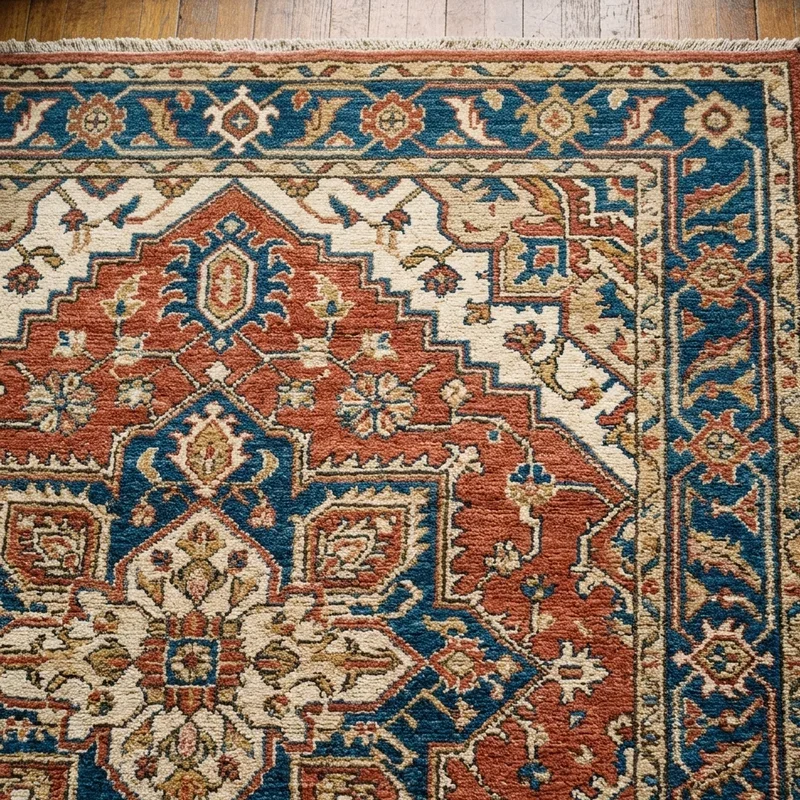
Synthetic carpets made from nylon or polyester generally handle baking soda just fine. These fibers are resilient and don't absorb the particles as readily. However, natural fiber carpets like wool, silk, or sisal can be a different story altogether. The alkaline nature of baking soda may affect the color or texture of delicate natural fibers, and getting those fine particles out of tightly woven natural materials is a real challenge.
If you've invested in a high-end wool carpet or an antique rug, proceed with extreme caution. Testing a small, hidden area first is always the smart move.
It Won't Replace Professional Cleaning
Let's be honest here. Baking soda is great for surface-level freshening, but it's not a deep-cleaning solution. It won't remove ground-in dirt, eliminate allergens hiding deep in the carpet pad, or address mold that's already taken hold. If your carpet has serious issues, baking soda is like putting a bandage on a broken bone. It might look like you're doing something, but it's not solving the real problem.
How to Properly Use Baking Soda on Your Carpet
Now that we've covered both the pros and cons, let's talk about the right way to do this. Following proper technique makes all the difference between a freshened-up carpet and a damaged one.
Step-by-Step Process for Deodorizing
Start by giving your carpet a thorough vacuuming to remove loose dirt and debris. This creates a clean surface for the baking soda to work on.
Next, sprinkle a thin, even layer of baking soda over the area you want to treat. Don't go overboard here. A light dusting is all you need. For a standard room, one to two cups should be plenty. You're not icing a cake.
Let the baking soda sit for at least fifteen minutes. For stronger odors, bump that up to several hours or even overnight. The longer it sits, the more odor it absorbs.
Finally, vacuum the area slowly and thoroughly. Go over each section multiple times from different angles to pick up as much baking soda as possible. Empty your vacuum canister or replace the bag afterward to prevent buildup inside the machine.
Step-by-Step Process for Stain Treatment
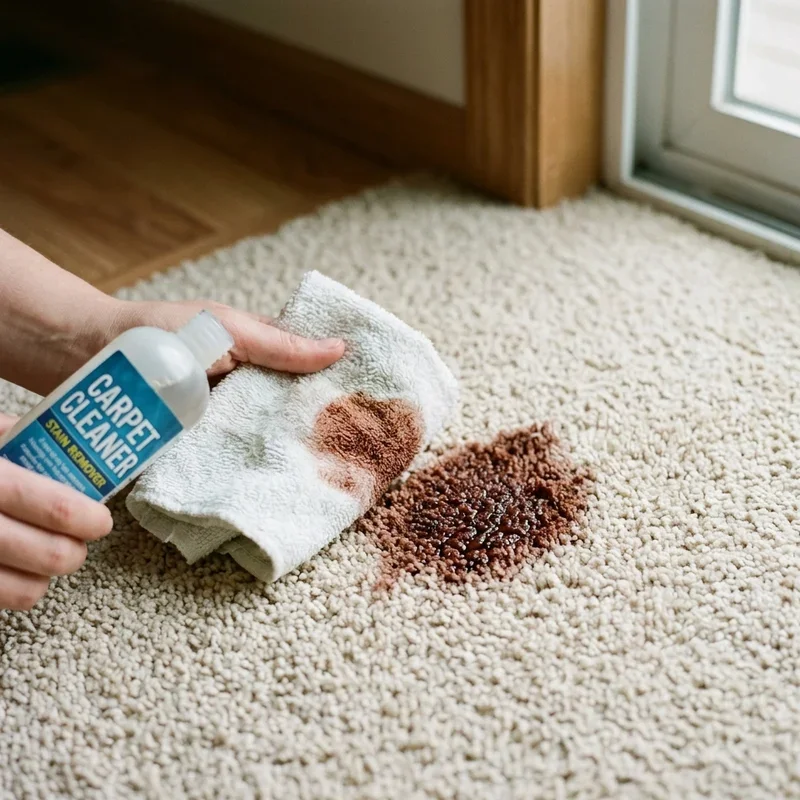
For light stains, make a paste by mixing three tablespoons of baking soda with one tablespoon of water. Apply the paste directly to the stain and let it dry completely. Once dry, vacuum up the residue.
For tougher stains, add a small amount of white vinegar to the baking soda on the stain. It'll fizz and bubble, which looks dramatic but is actually the chemical reaction doing its cleaning work. After the fizzing stops, blot the area with a clean cloth and let it dry before vacuuming.
Always blot stains rather than rubbing them. Rubbing pushes the stain deeper into the fibers and spreads it around. Blotting lifts it up and out. This simple switch in technique makes a world of difference.
How Often Should You Use Baking Soda on Carpet?
Moderation is the name of the game. Using baking soda on your carpet once a month for general deodorizing is a safe frequency for most situations. If you have pets, you might bump that up to every two weeks in high-traffic areas.
However, using it every single day or even every week is excessive and increases the risk of residue buildup and vacuum damage. More isn't always better, and this is one of those cases where restraint pays off in the long run.

Alternatives to Baking Soda for Carpet Care
Baking soda isn't the only game in town. If you're concerned about the downsides or just want to try something different, here are a few alternatives worth exploring.
Carpet-specific deodorizing powders are formulated with larger particles that are easier for vacuums to pick up. They often contain added fragrances for that fresh-out-of-the-box smell.
Steam cleaning is fantastic for deep sanitization. The high temperature kills bacteria and dust mites while lifting embedded dirt that no amount of surface treatment can reach. You can rent a steam cleaner from most hardware stores for a reasonable price.
Enzyme-based cleaners are perfect for pet-related odors. These products break down the organic compounds that cause smells at a molecular level, which is something baking soda alone struggles to accomplish.
White vinegar mixed with water in a spray bottle works well as a light deodorizer and disinfectant. The vinegar smell dissipates quickly as it dries, leaving behind a clean, neutral scent.
Activated charcoal placed in small containers around the room absorbs odors without any contact with the carpet itself. This is a great option for people who prefer a completely hands-off approach to odor control.
Special Situations and Considerations
Pet Owners
If you've got furry friends at home, your carpet is probably working overtime. Pet dander, accidents, and general animal funk can make carpets smell pretty ripe. Baking soda can help with surface odors, but for pet urine, you'll want an enzyme cleaner that breaks down the uric acid crystals embedded in the carpet pad.
Here's a helpful tip for pet owners. Sprinkle baking soda on dry areas where your pet likes to hang out and let it sit before vacuuming. But for actual accidents, skip the baking soda and go straight for an enzyme-based product. Mixing baking soda with pet urine can sometimes create a paste that's harder to remove than the original stain.
Homes with Allergies or Asthma
People with respiratory sensitivities should be cautious with baking soda on carpets. The fine particles can become airborne during application and vacuuming, potentially triggering sneezing, coughing, or asthma symptoms. If anyone in your household has respiratory issues, apply baking soda when they're out of the room and ensure thorough ventilation during and after vacuuming.
Using a vacuum with a sealed HEPA filtration system helps minimize airborne particles. But keep in mind that excessive baking soda use can still compromise even high-quality filters over time.
Rented Homes and Apartments
Renters need to be especially mindful of carpet care since security deposits are on the line. While baking soda is generally safe for most rental carpets, heavy or frequent use could potentially cause the residue buildup we discussed earlier. If your landlord notices the carpet looks dull or feels gritty during the move-out inspection, it could cost you.
A smarter approach for renters is to combine occasional baking soda treatments with professional carpet cleaning once or twice a year. Many landlords actually appreciate tenants who maintain the carpets, and some lease agreements may even require professional cleaning before moving out.

Myths and Misconceptions Worth Busting
Let's clear up a few common myths that circulate around the internet about baking soda and carpets.
The idea that baking soda kills carpet bugs and dust mites is mostly exaggerated. While it might deter some insects, it's not a pesticide and shouldn't be relied upon for pest control.
The belief that more baking soda equals better results is flat-out wrong. A thin, even layer works just as effectively as a thick coating, and it's much easier to clean up afterward.
The claim that baking soda can replace all other carpet cleaning methods is misleading. It's one tool in the toolbox, not the entire toolbox itself. Think of it as a complement to your overall carpet care routine rather than a replacement for it.
The notion that baking soda bleaches carpet is mostly false for synthetic fibers. However, on certain dyed natural fibers, it could potentially cause fading over extended contact periods. When in doubt, test first.
When to Skip the Baking Soda and Call a Professional
Sometimes, the best thing you can do is admit you're in over your head. If your carpet has deep stains that have been there for weeks or months, significant water damage, visible mold growth, or persistent odors that return no matter what you try, it's time to bring in the professionals.
Professional carpet cleaners have equipment and solutions that go far beyond what any DIY method can achieve. They can extract dirt and contaminants from the carpet pad, treat stubborn stains with commercial-grade products, and restore carpets that seem beyond saving.
Think of professional cleaning as an investment in the longevity of your carpet. Spending a couple hundred dollars on professional cleaning once or twice a year can extend your carpet's lifespan by years, saving you thousands on premature replacement.
Conclusion
So, can you put baking soda on your carpet? Absolutely, but knowledge is power, and doing it the right way makes all the difference. "Can I Put Baking Soda on My Carpet? What to Know" has shown you that while baking soda is a fantastic, affordable deodorizer, it comes with caveats worth respecting. Use it sparingly, vacuum thoroughly, consider your carpet type, and don't skip professional cleanings. With the right approach, baking soda can be a reliable part of your carpet care routine without causing unintended damage.
Frequently Asked Questions
1.Is baking soda safe to use on all types of carpet?
It's safe for most synthetic carpets but may affect delicate natural fibers like wool.
2.How long should I leave baking soda on my carpet?
Leave it for at least fifteen minutes, though overnight works best for stubborn odors.
3.Can baking soda damage my vacuum cleaner over time?
Yes, fine particles can clog filters and damage vacuum motors with repeated heavy use.
4.Does baking soda actually remove carpet stains effectively?
It handles light surface stains but won't remove deep or old set-in stains alone.
5.How often should I apply baking soda to my carpet?
Once a month is ideal for general deodorizing without risking residue buildup problems.
Stay up to date with our latest ideas!