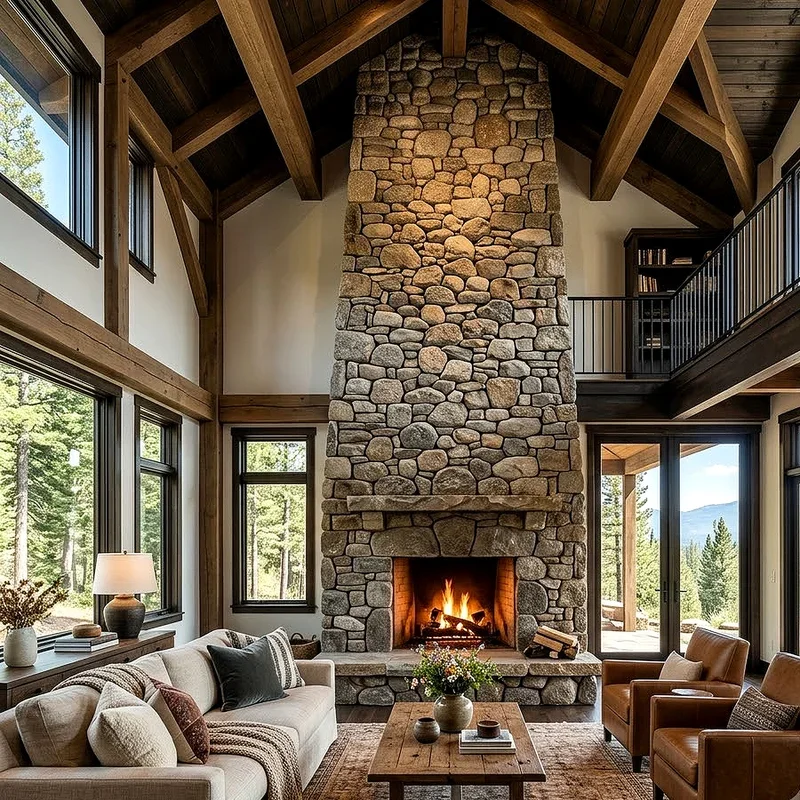
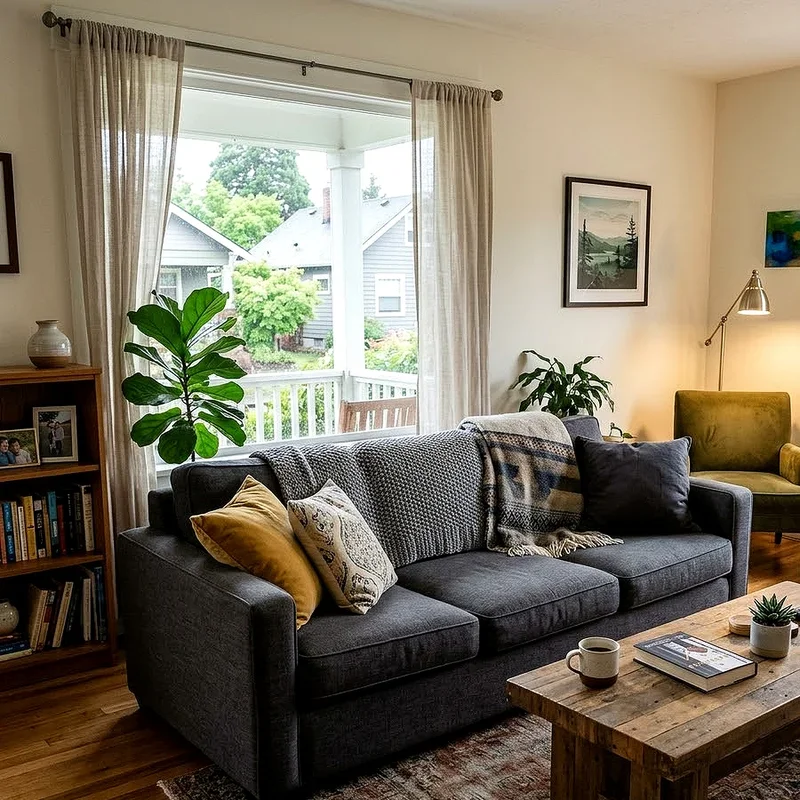
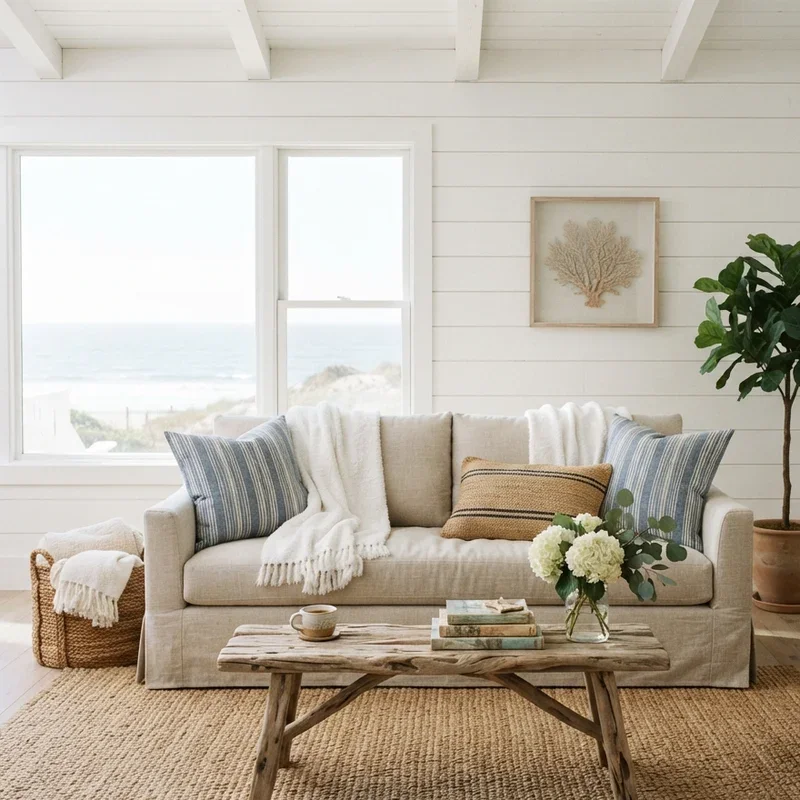
How window size, placement and type shape light, layout and comfort in your living room, plus treatments for each style and when to replace old windows.
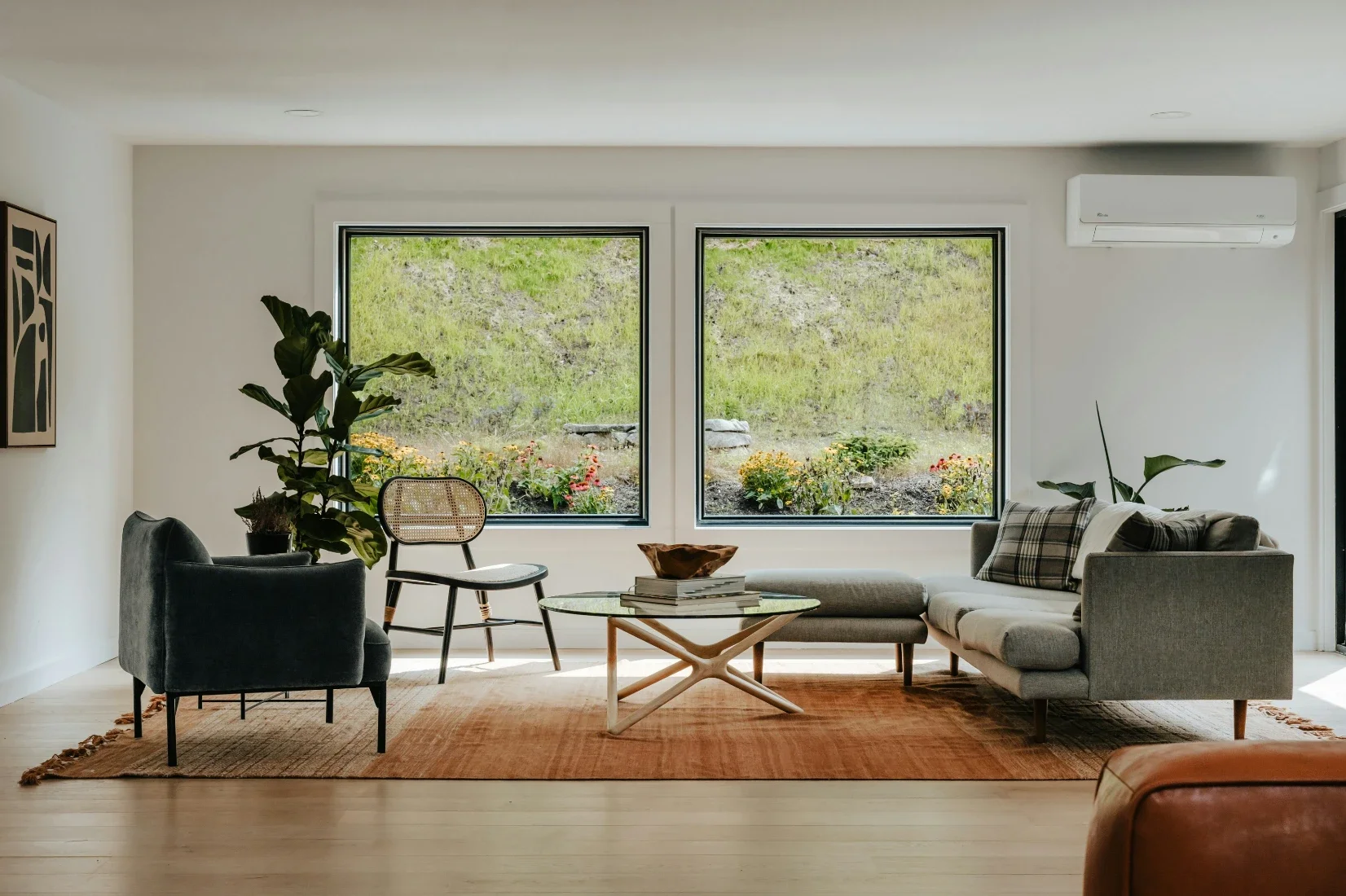
Most people plan a living room around the sofa and the TV. The window usually gets whatever is left over: a curtain rod, a blind, a plant on the sill. That is backwards. The window decides where the light falls, where you can comfortably sit, which wall holds the TV without glare, and how warm the room feels in January.
This guide walks through how size, placement and type shape the room, how to deal with drafts and glare, which window treatments suit each style, and how to tell when dressing an old window is no longer enough.
Size and placement set the layout
Start by watching the room for a full day. Note where the sun lands at morning, midday and late afternoon. A big window on the west wall gives you a bright, warm room at the moment you are home from work, and a glaring one if the TV sits across from it. A north-facing window gives steady, even light with no hot spots, which is easy on screens and art but can feel cool.
A few placement rules hold up in almost every room:
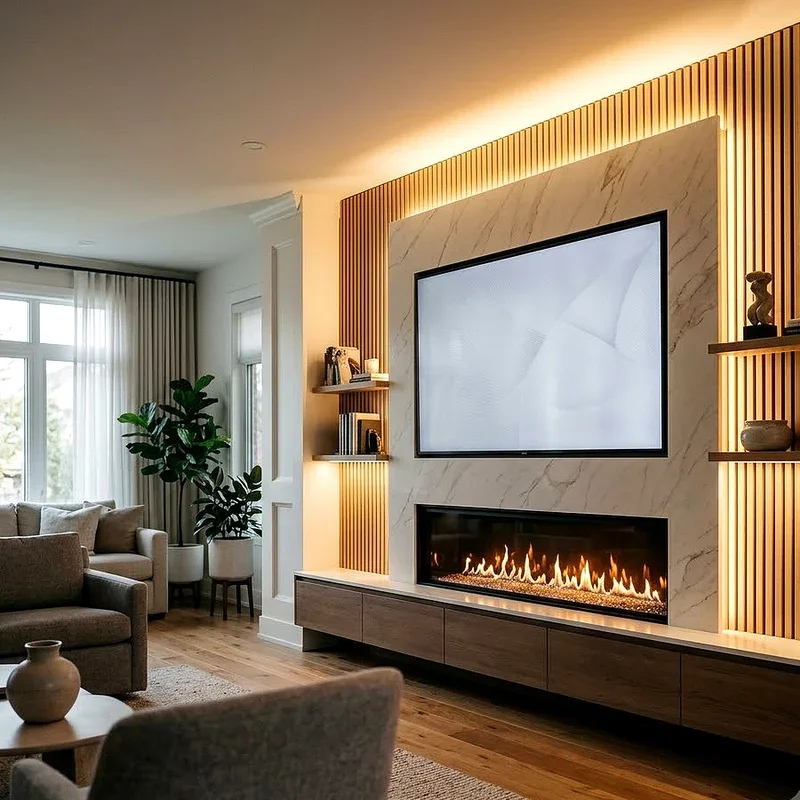
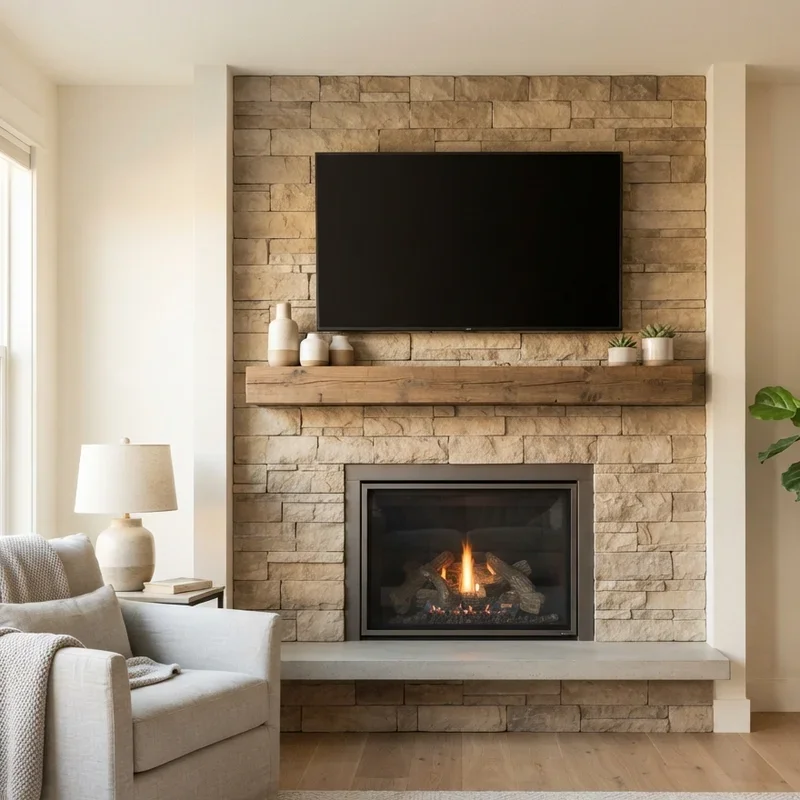
Keep the TV off the window wall, and out of the window's reflection. Put it on a side wall, at a right angle to the glass, so daylight crosses the screen instead of bouncing off it.
Do not park a tall bookcase in front of the best window. Put it beside the window, where it frames the opening instead of blocking it.
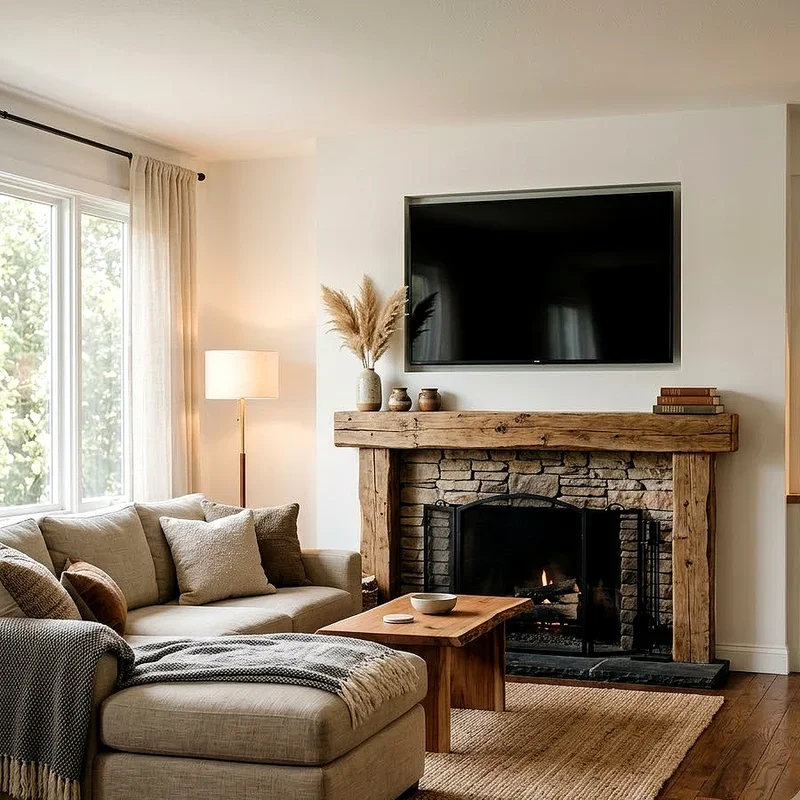
Seat people at an angle to the glass. Facing a bright window straight on is tiring. Sitting beside it is pleasant.
Leave a path. Windows that open need clear space in front of them, especially casements that swing into the room.
Window height matters too. A low sill invites a window seat or a row of plants. A high sill, common in older houses and on walls with a built-in cabinet below, gives you light without taking up wall space you need for furniture. Furniture can be tall under a high window and should stay low under a low one.
Drafts and glare: diagnose before you decorate
A cold spot near the window is not always a cold window. Hold a lit incense stick or a strip of tissue near the frame on a windy day. If the smoke or tissue moves, air is leaking around the sash or the trim. Cracked caulk, dried-out weatherstripping and a sash that no longer closes tight are the usual causes, and all three are cheap to fix. Re-caulk the exterior trim, replace worn weatherstripping and check that the lock actually pulls the sash tight.
Cold radiating from the glass itself is different. If the pane feels cold to the touch, you see condensation between the layers of a double pane, or the frame is soft or rotting, the window is failing at its main job, and no curtain will change that.
Glare is a placement problem more often than a window problem. Sun that hits the TV, or a bright window behind a seat that makes faces hard to see, is solved by moving furniture first and adding a treatment second. Sheer panels, top-down shades and light-filtering cellular shades soften the light without turning the room dark.
Dress it or replace it
There is a point where good styling stops helping. Signs the window itself is the problem include sashes that stick or will not stay open, fogged glass between the panes, visible rot or warping, daylight showing around a closed frame, and heating bills that stay high even after you seal the gaps. If two or three of those describe your living room, you are decorating around a defect.
Before you collect quotes, it helps to know what is reasonable where you live, because window replacement prices vary noticeably from state to state. Labor rates, local codes, climate-driven glass requirements and the mix of window types all push the numbers around. A page that lays out BetterHouse window cost data by state is a handy reference when a contractor's number looks too high or too low. Use it as a sanity check, then get written quotes from a few local installers, since the style, frame material and glass package change the final price as much as the state does.
If the windows are sound and only look tired, a repaint, new hardware and a good treatment can refresh them for far less. Replacement makes sense when the problem is the window, not the styling.
Know your window type
Picture windows
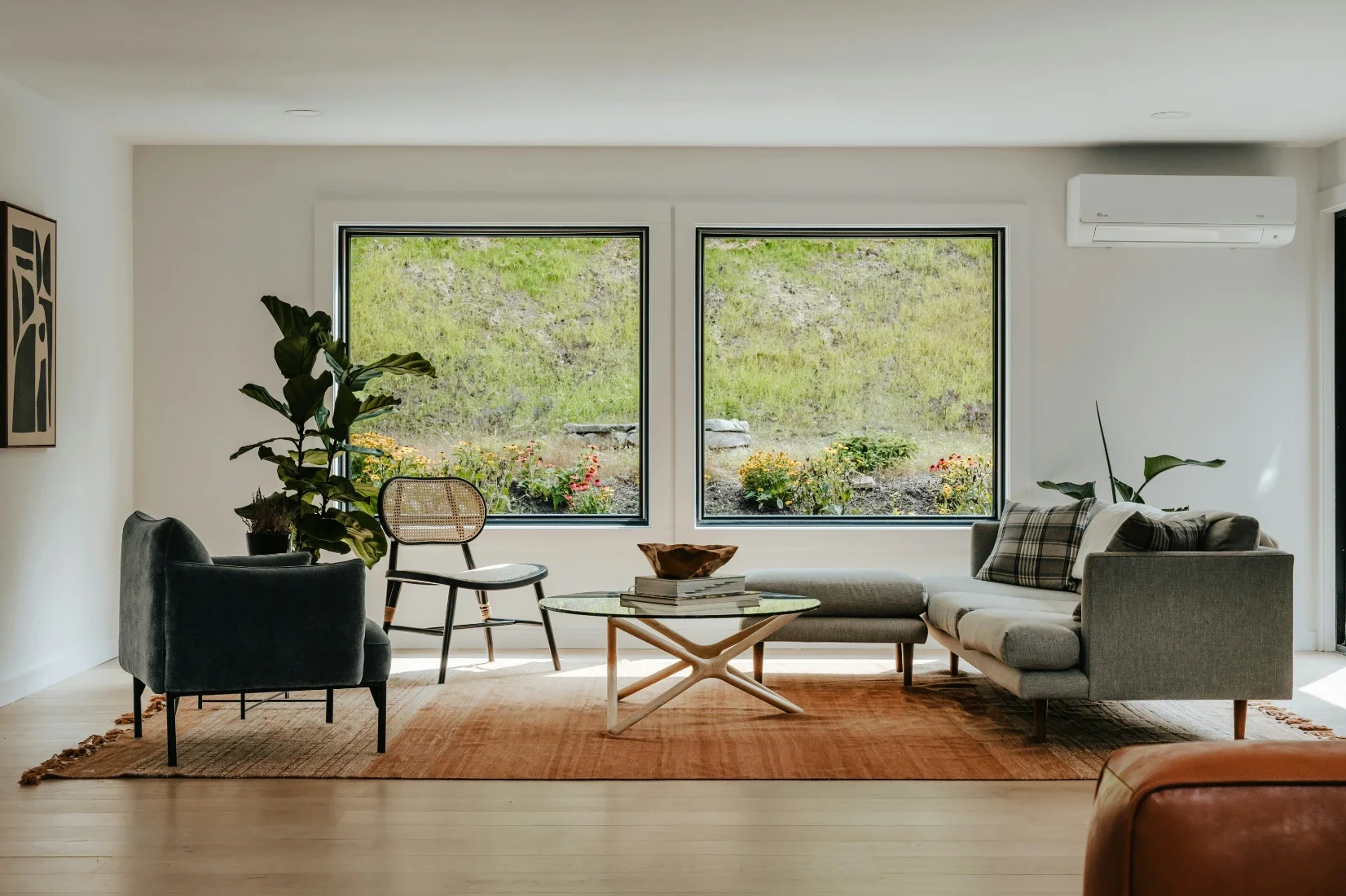
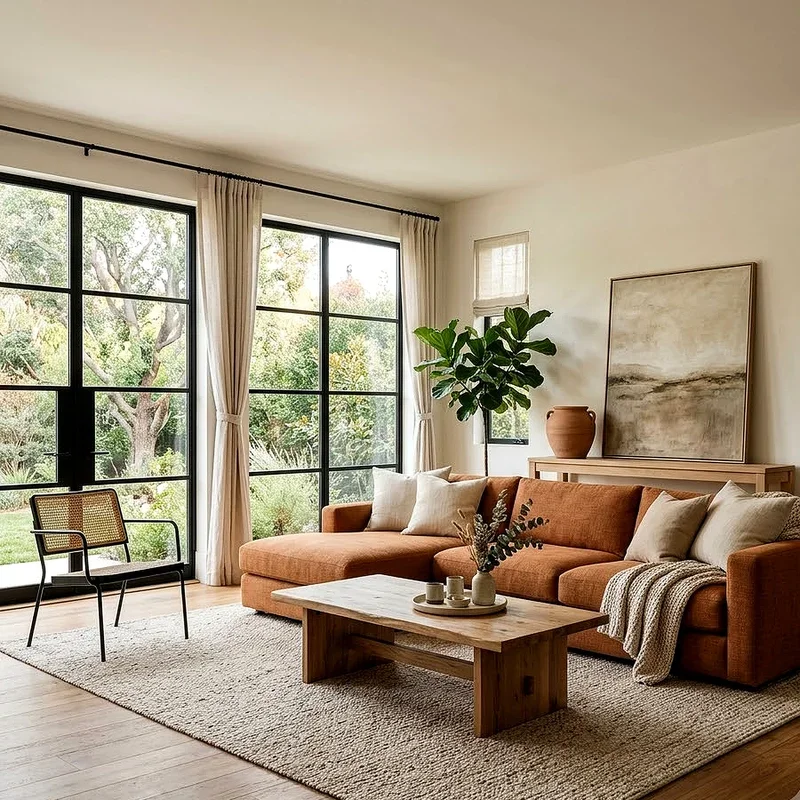
A picture window is a large fixed pane that does not open. It gives you the most view and the most light, and it is the simplest to seal because there is no moving part. The trade-off is that you get no airflow, so pair it with an operable window nearby. Furniture should not block the view, so keep a low console or sofa back beneath it and leave the glass uncluttered.
Casement windows
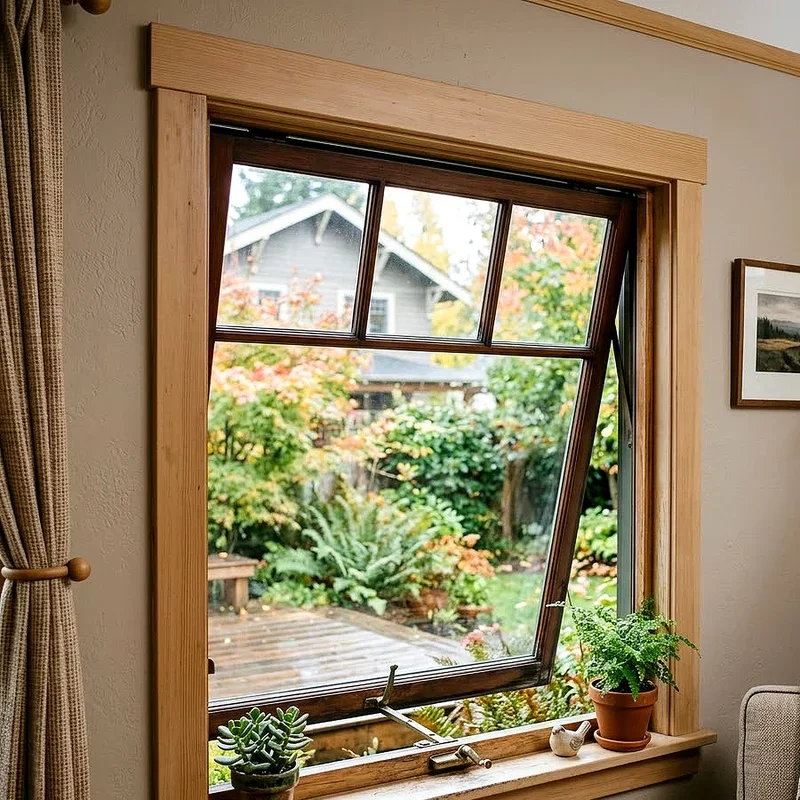
Casements are hinged on the side and crank outward. They close tightly against the frame, which makes them good at stopping drafts, and they catch side breezes well. Because the sash swings, avoid long curtains that tangle in the crank and avoid putting a tall plant or lamp where the window opens. Roman shades, roller shades and curtains mounted on the wall above the frame all work.
Double-hung windows
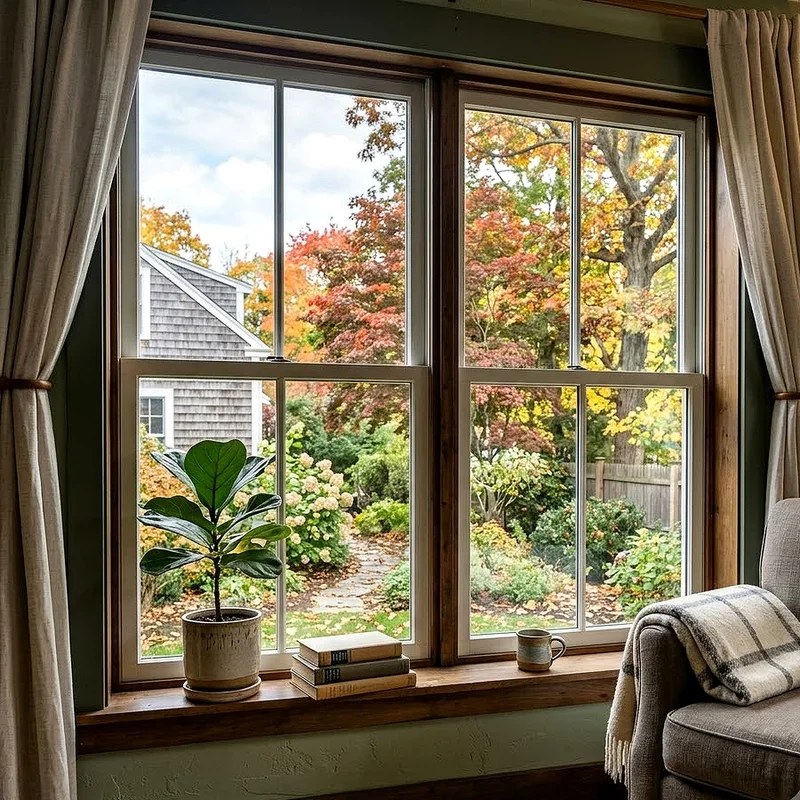
Double-hung windows have two sashes that slide up and down, and they are the most common type in American homes. They are easy to dress. Almost any curtain, blind or shade fits, and you can open the top sash to let warm air out while the bottom one stays closed. Their weak point is age: old ones leak around the sash and are harder to keep tight, which is often why a draft appears near a sofa.
Bay and bow windows
A bay projects outward and adds floor area, light from three sides and a natural spot for a window seat, a reading chair or a small table. Treat the angles as one unit. A single curtain rod bent to follow the bay, or matching shades on every pane, keeps it from looking chopped up. Bays also lose more heat, so good glass and thick lined shades earn their place.
Window treatments that match the window
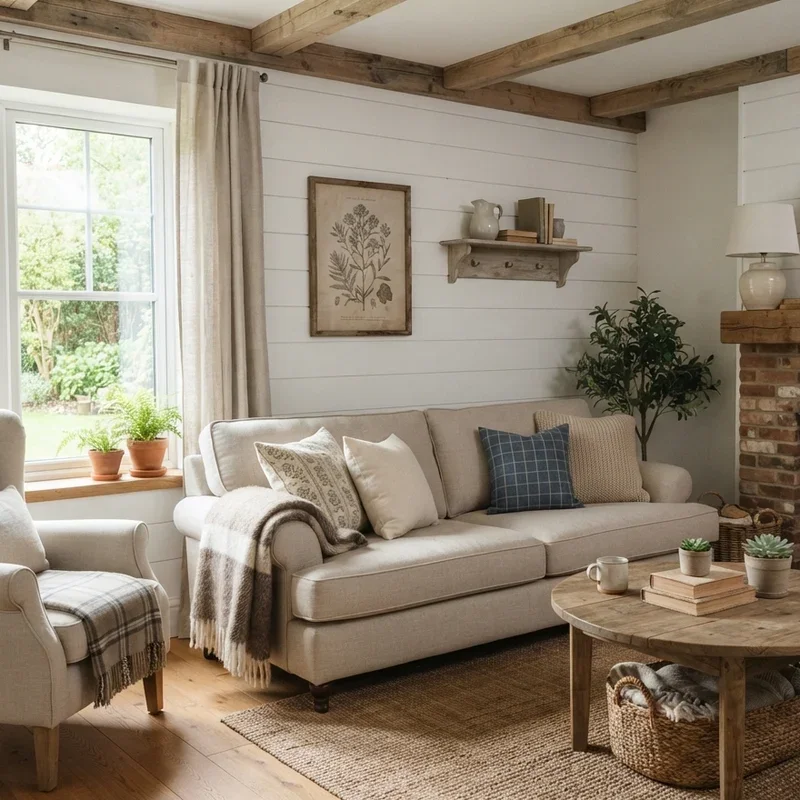
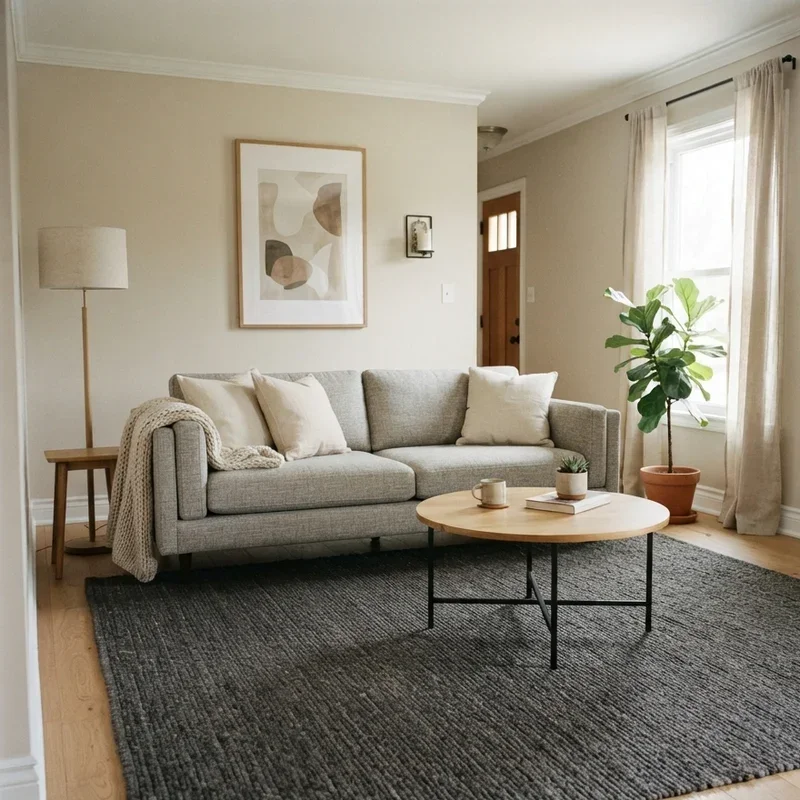
Curtains: hang the rod a few inches above the frame and extend it beyond each side so the glass is not covered when the curtains are open. This makes a window look larger and keeps the full light.
Roman and roller shades: clean lines for casements and picture windows. Choose a light-filtering fabric for living rooms where you want daylight but no glare.
Cellular shades: the honeycomb shape traps a layer of air, which takes the edge off cold glass in winter and heat in summer. They suit double-hung windows well.
Sheers with drapes: two layers give you a daytime option and a night option. Sheers soften the light, while lined drapes close it off for privacy and TV time.
Shutters: a good fit for bay windows and for rooms where you want adjustable light without fabric.
A simple order of operations
If you are starting from a room that feels off, work in this order. First, watch the light for a day and move the furniture. Second, fix leaks with caulk and weatherstripping. Third, choose treatments that suit the window type and the direction it faces. Fourth, decide whether the windows are worth keeping, and price replacement only if they are failing. That order puts your money where the room actually changes.
Stay up to date with our latest ideas!