Can You Paint Fireplace Tile? What to Know
Learn can you paint fireplace tile and what to know before starting. Discover proper techniques, materials, and tips for lasting results.
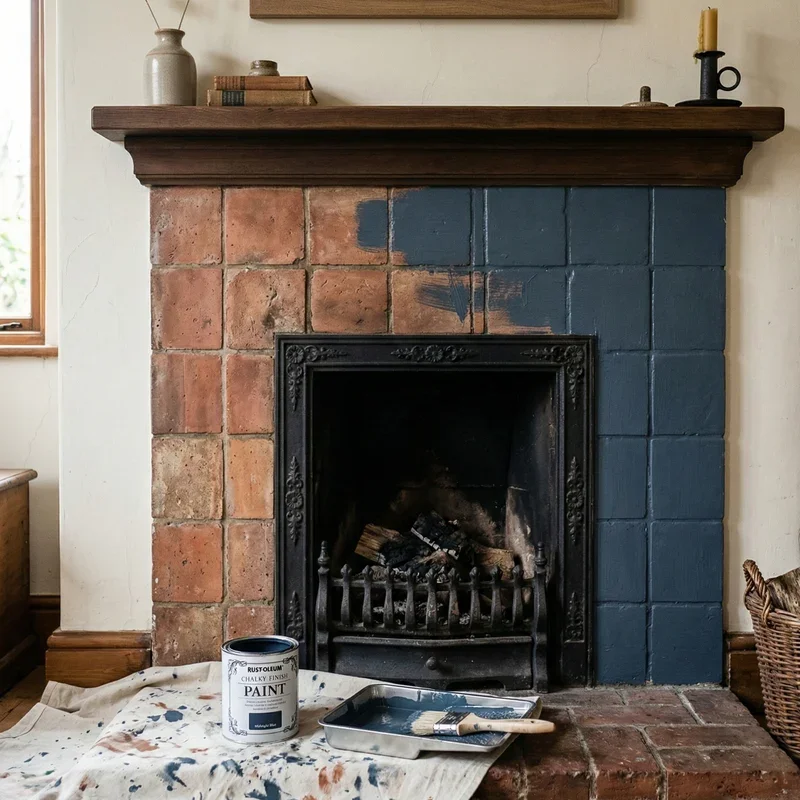
You've been staring at that dated fireplace tile for years now. Maybe it's a garish shade of orange from the seventies, or perhaps those once-charming country tiles now make you cringe every time you walk into your living room. Whatever the case, ripping out the existing tile and starting fresh seems like a massive undertaking that your wallet and your schedule simply can't accommodate right now.
Here's where painting enters the picture as a potential game-changer. The idea of simply brushing on a fresh coat of paint to transform that eyesore into something beautiful sounds almost too good to be true. And honestly, that skepticism isn't entirely unfounded.
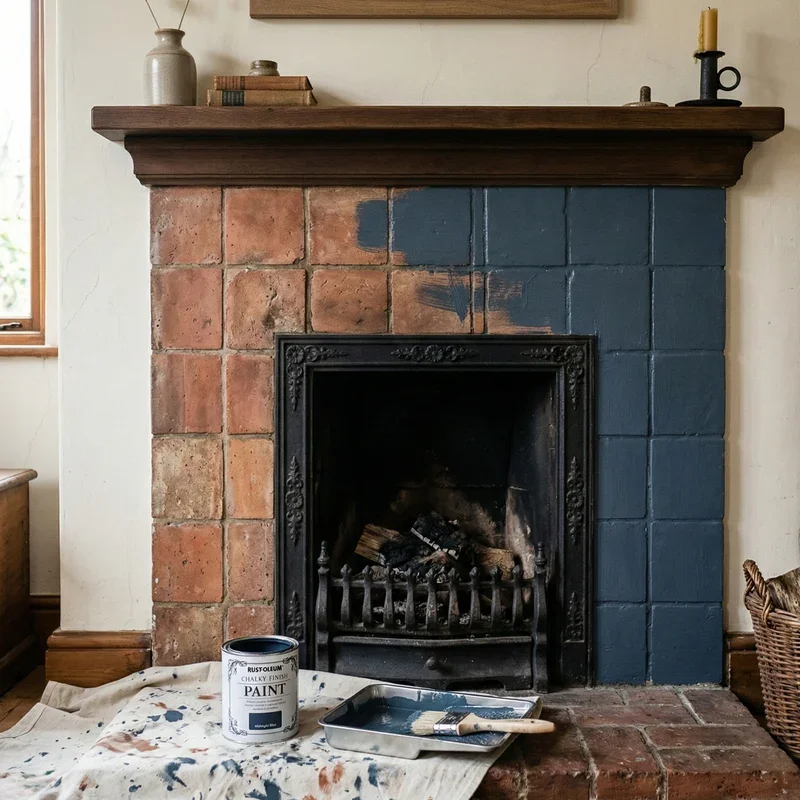
Painting fireplace tile is absolutely possible, but it's not as straightforward as slapping some leftover wall paint onto the surface and calling it a day. There's science involved, specific products required, and techniques that make the difference between a stunning transformation and a peeling, bubbling disaster.
Understanding can you paint fireplace tile and what to know before starting saves you from potentially expensive mistakes and disappointing results. The good news is that when done correctly, painted fireplace tile can look absolutely fantastic and last for years without major issues.
This comprehensive guide will walk you through everything from assessing whether your particular tile is a good candidate for painting to the final sealing steps that protect your hard work. We'll cover the types of paint that actually stick to tile, the prep work that makes or breaks your project, and the honest truth about expectations and limitations.
Ready to potentially save thousands compared to tile replacement? Let's dive into what you really need to know.
Assessing Your Fireplace Tile Situation
Before buying a single supply, take a hard look at what you're working with.
Types of Tile and Their Paintability
Not all fireplace tiles are created equal when it comes to painting success. Ceramic and porcelain tiles respond best to paint treatment, accepting primer and paint reasonably well when properly prepared.
Natural stone tiles like slate, marble, and travertine present more challenges. Their porous nature can cause paint absorption issues, and the unique textures that make them beautiful also make them difficult to coat evenly.
Glass tile and highly glazed surfaces create adhesion nightmares. That super shiny finish you might be trying to cover up actively repels paint. These surfaces require aggressive preparation or might not be suitable candidates at all.
Location, Location, Location
Where your tile sits relative to the actual fire matters enormously. Tiles directly surrounding the firebox experience extreme heat that affects paint performance significantly.
The interior of your firebox should never be painted with regular paints. Only specialized high-temperature fireplace paint can withstand those conditions, and even then, the results differ from decorative tile painting.
Surround tiles that frame the fireplace but sit several inches or more from the actual opening experience much less heat stress. These tiles are prime candidates for painting and typically yield the best long-term results.
Current Condition Assessment
Examine your tile closely for damage, cracks, or loose pieces. Paint cannot fix structural problems, and attempting to paint over damaged tile just draws attention to flaws rather than hiding them.
Grout condition matters too. Crumbling or deeply stained grout needs attention before any painting happens. Patching damaged grout and ensuring solid joints provides a better foundation for your paint project.
Can You Paint Fireplace Tile? What to Know About Preparation
Preparation determines success more than any other factor in tile painting.
Cleaning Is Non-Negotiable
Years of soot, smoke, dust, and general grime coat fireplace tiles even when they don't look particularly dirty. This invisible layer prevents paint adhesion like nothing else.
Start with a thorough cleaning using TSP (trisodium phosphate) or a TSP substitute. These heavy-duty cleaners cut through the greasy residue that regular cleaners leave behind.
Scrub every inch of tile surface, paying special attention to grout lines where grime accumulates. Rinse thoroughly and allow complete drying before proceeding. Rushing this step guarantees problems later.
Surface Scuffing Requirements
That glossy tile finish you're trying to cover must be roughened to accept paint. Without mechanical abrasion, even the best primer slides right off.
Sand all tile surfaces using 150 to 220 grit sandpaper. You're not trying to remove the glaze entirely, just scuff it enough to create microscopic scratches for paint to grip.
After sanding, wipe down all surfaces with a tack cloth to remove dust particles. Any sanding residue remaining on the surface creates adhesion problems identical to the original glaze.
Taping and Protection
Mask off surrounding areas meticulously. Cover the fireplace opening, mantle, hearth edges, and any surfaces you don't want painted.
Use quality painter's tape designed for clean removal. Cheap tape bleeds, shifts, and tears, causing frustration and potentially ruining your paint lines.
Drop cloths protect floors from drips and splatters. Tile paint tends to be thicker and drippy compared to wall paint, making floor protection essential.
Choosing the Right Products
Product selection makes an enormous difference in painted tile durability.
Primer Selection
Bonding primer specifically designed for slick surfaces is absolutely essential. Regular wall primer won't cut it here.
Look for primers labeled for tile, glass, or glossy surfaces. Brands like Zinsser, Kilz, and Benjamin Moore all offer specialty primers that create the adhesion foundation your project needs.
Some two-part epoxy primers provide even stronger bonding for particularly challenging surfaces. These products require mixing and have limited pot life but deliver superior adhesion.
Paint Types That Work
Standard latex wall paint has no place on fireplace tile. It simply won't adhere properly or withstand the conditions regardless of preparation.
Epoxy-based paints or high-quality alkyd paints designed for trim and cabinetry deliver the hardness and durability tile surfaces require. These paints cure harder than standard options and resist chipping.
Specialty tile paints have emerged as the market has recognized homeowners' desire for this type of project. Products specifically formulated for tile offer one-package solutions designed for this exact application.
Heat Considerations
For tiles close to the firebox, high-temperature paint rated for at least 500 degrees Fahrenheit provides necessary heat resistance.
Regular paints can yellow, bubble, or peel when exposed to significant heat. Using the wrong product in heat-exposed areas leads to rapid failure and disappointment.
Even surround tiles benefit from heat-resistant products if you use your fireplace frequently. The insurance against heat damage is worth the typically higher cost.
Can You Paint Fireplace Tile? What to Know About Application
With prep complete and products selected, application technique finishes the job properly.
Priming Process
Apply primer in thin, even coats using a high-quality brush or small roller. Foam rollers work particularly well on smooth tile surfaces.
Work the primer into grout lines thoroughly. These recessed areas need complete coverage to prevent color bleeding through from underneath.
Allow primer to cure fully according to manufacturer directions. Rushing between coats or moving to paint before primer cures compromises the entire project. Most bonding primers require 24 hours minimum before recoating.
Two primer coats typically provide optimal coverage and adhesion foundation. Inspect carefully after the first coat, applying a second to any areas showing incomplete coverage.
Paint Application Techniques
Thin coats beat thick coats every time with tile painting. Thick applications run, sag, and cure unevenly, creating visible imperfections on the smooth tile surface.
Use the same tools as priming. Foam rollers minimize texture while providing even coverage. Quality brushes handle grout lines and edges.
Apply at least two coats of paint, allowing proper drying between each. Many projects require three coats for complete, even coverage without any underlying color showing through.
Working With Grout Lines
Grout lines require decision-making. You can paint them the same color as the tile for a monolithic look, or you can tape them off and leave them natural or paint them a contrasting color.
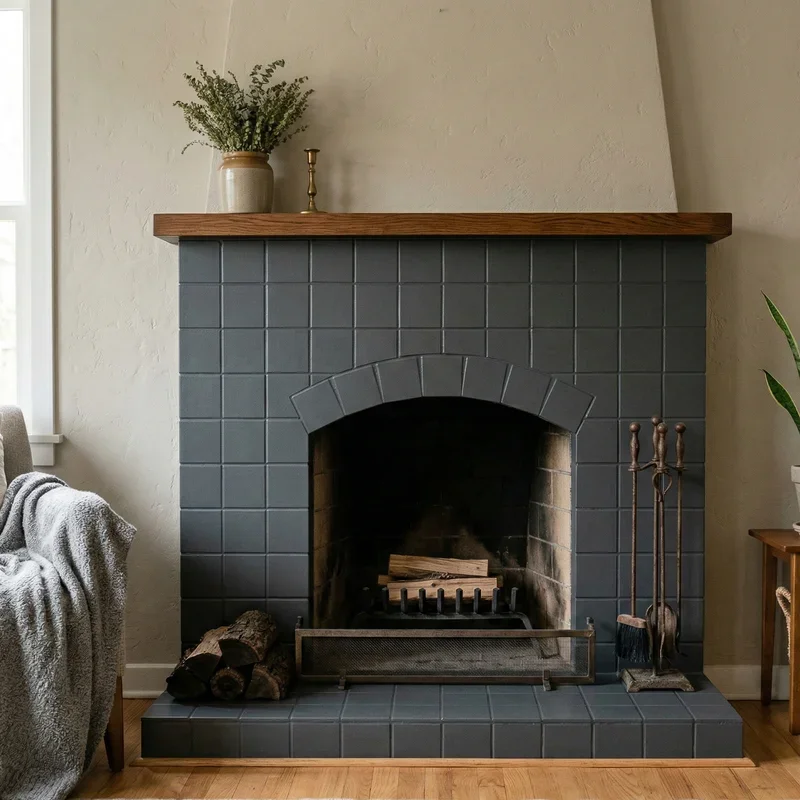
Painting grout lines the same color as tile simplifies the project considerably. The continuous color creates a clean, modern appearance and eliminates tricky taping.
Maintaining grout line contrast requires meticulous taping and multiple paint sessions. The results can be worth it for certain design goals, but understand the additional time and precision involved.
Sealing and Protection
Your hard work deserves protection that extends its lifespan.
Topcoat Options
Applying a clear topcoat adds significant durability to painted fireplace tile. Polyurethane formulated for floors provides excellent protection against heat and general wear.
Choose satin or matte finishes for the most natural appearance. High-gloss topcoats sometimes look plasticky on painted tile surfaces.
Water-based polyurethane offers easy application and cleanup, though oil-based products typically provide superior durability. Consider your prioritization between convenience and longevity.
Curing Time Importance
Painted and sealed tile needs extended curing time before using the fireplace. Most products require at least seven days of curing, with some recommending up to thirty days.
Rushing this process risks heat damage to uncured finishes. The paint might look dry but remain soft internally, making it vulnerable to permanent damage from heat exposure.
Plan your project timing around fireplace usage needs. Summer months provide natural curing periods when you're unlikely to want a fire anyway.
Realistic Expectations
Honesty about outcomes helps you make informed decisions.
Durability Realities
Painted tile never matches the durability of factory glazed tile or fresh tile installation. Even perfectly executed paint projects require eventual touch-ups or complete repainting.
Expect five to seven years of good appearance from well-executed painted fireplace tile. High-use fireplaces may show wear sooner, while decorative fireplaces rarely used might last longer.
This lifespan still represents excellent value compared to replacement costs. A hundred-dollar paint project lasting five years beats a thousand-dollar tile replacement by most calculations.
Appearance Considerations
Painted tile looks like painted tile, not like new tile. The texture and visual qualities differ from the original finish.
Close inspection reveals the painted surface, particularly in grout lines and at edges. From normal viewing distances, the effect is usually quite attractive and successful.
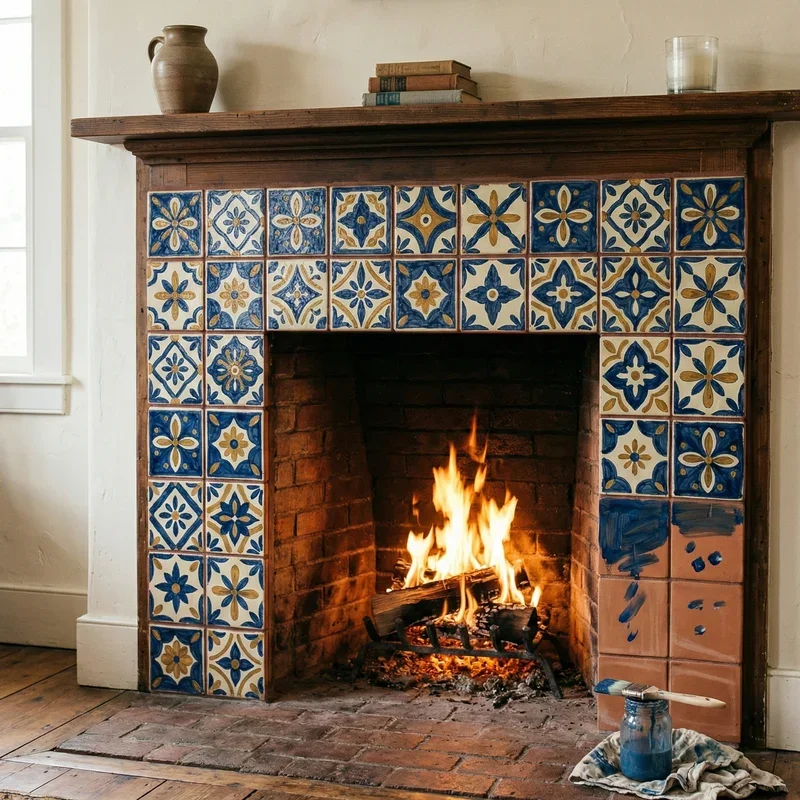
Solid colors work better than attempting decorative patterns or faux finishes. Keeping designs simple produces the most professional-looking results.
Common Mistakes to Avoid
Learning from others' errors saves considerable frustration.
Skipping Prep Work
The number one cause of painted tile failure is inadequate preparation. Impatient painters who rush through cleaning and sanding face peeling within months.
No amount of high-quality paint compensates for poor surface preparation. Invest time upfront rather than redoing the entire project later.
Wrong Product Choices
Using leftover wall paint, exterior paint, or any random product not designed for this application wastes time and money.
Specialty products exist because this application has specific requirements. Attempting shortcuts with inappropriate products leads to predictable failure.
Insufficient Curing
Firing up the fireplace too soon damages finishes that haven't fully cured. Patience during curing is just as important as patience during preparation.
Mark your calendar and stick to manufacturer-recommended cure times regardless of how ready the surface appears.
When Painting Isn't the Answer
Sometimes honest assessment points toward alternatives.
Better Alternatives in Some Cases
Severely damaged tile with cracks, chips, or loose pieces really needs replacement rather than painting. Paint highlights rather than hides structural problems.
Historic or valuable tile shouldn't be painted. Original materials in classic homes often contribute significantly to property value that paint diminishes.
If you absolutely hate the tile and plan to stay in the home long-term, replacement might prove more satisfying than painting despite higher upfront costs.
Conclusion
Understanding can you paint fireplace tile and what to know enables informed decisions about this budget-friendly transformation option. Success requires proper assessment, thorough preparation, appropriate product selection, and patient application techniques. While painted tile doesn't match factory finishes in durability, the cost savings compared to replacement make painting an attractive choice for many homeowners. With realistic expectations and careful execution, your outdated fireplace tile can become a beautiful focal point you'll actually enjoy looking at.
Read next: 15 Gray and White Living Room Ideas That Feel Cozy
Frequently Asked Questions
1.How long does painted fireplace tile typically last?
Properly painted fireplace tile typically lasts five to seven years before requiring touch-ups or repainting.
2.Can I paint tile directly inside the firebox?
No, interior firebox surfaces require specialized high-temperature paint rated for extreme heat exposure conditions.
3.Do I need to remove old sealers before painting tile?
Yes, existing sealers must be removed or thoroughly sanded to ensure proper adhesion of primer.
4.What sheen works best for painted fireplace tile?
Satin or semi-gloss finishes provide durability while minimizing imperfections visible on smooth tile surfaces.
5.Can I change my painted tile color later?
Yes, previously painted tile can be repainted after light sanding and cleaning without full preparation.
Stay up to date with our latest ideas!