How to Get Hair Dye Off Carpet Without Damage
Learn how to get hair dye off carpet without damage using safe, proven methods that remove tough stains and protect your fibers.
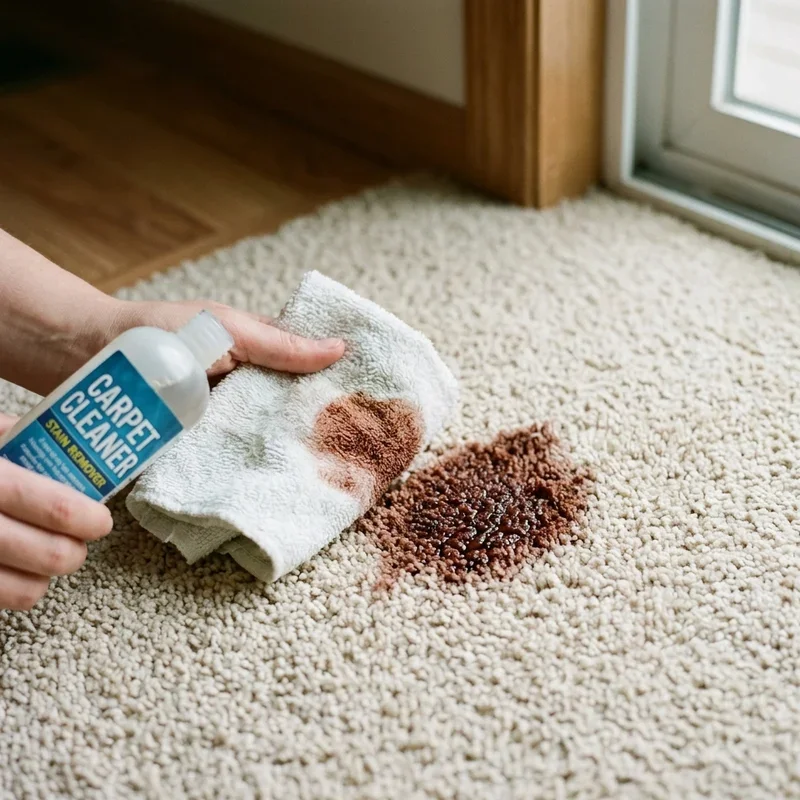
We've all been there. You're standing in the bathroom, box of hair dye in hand, feeling like a million bucks about your bold new color choice. Then it happens. A splash, a drip, a rogue glob of dark crimson dye lands right on the carpet. And just like that, your DIY salon moment turns into a full-blown panic attack. Your heart sinks, your stomach drops, and you're Googling solutions before the stain even has time to settle in.
Here's the thing about hair dye on carpet. It's one of those stains that looks absolutely terrifying but is actually manageable if you act fast and use the right approach. The key word there is "right." Because grabbing the wrong cleaner or scrubbing like a maniac can turn a bad situation into a permanent disaster. Bleach on colored carpet? That's how you end up with a stain AND a discolored patch. Rubbing instead of blotting? Congratulations, you just pushed the dye deeper into the fibers and spread it wider.
Understanding how to get hair dye off carpet without damage isn't just about removing the stain. It's about protecting the carpet's color, texture, and integrity while you do it. Whether you spilled semi-permanent red, permanent black, or anything in between, there's a method that can help. And no, you don't necessarily need to call in the professionals, although we'll talk about when that might be your best bet too.
So take a deep breath, step away from the bleach bottle, and let's figure this out together. Your carpet isn't ruined yet.
Why Hair Dye Stains Are So Stubborn
Before we jump into solutions, it helps to understand what you're actually dealing with. Hair dye isn't like coffee or wine. Those are organic stains that respond to pretty standard cleaning methods. Hair dye is a whole different animal.
Permanent hair dye is specifically engineered to bond with proteins. That's how it grabs onto your hair and stays put through dozens of washes. Unfortunately, carpet fibers, especially those made from wool or nylon, also contain protein structures. So when dye hits your carpet, it doesn't just sit on the surface. It starts bonding with the fibers almost immediately, doing exactly what it was designed to do.
Semi-permanent and temporary dyes are a bit more forgiving because they coat the surface rather than penetrating deeply. But they still contain intense pigments that can leave visible marks if not addressed quickly. The color molecules in these dyes are smaller and more concentrated than typical household stains, which is why they seem to laugh at your regular carpet cleaner.
The clock is genuinely your enemy here. Fresh dye is dramatically easier to remove than dried dye. Once that stain has had hours or days to cure and set into the fibers, your options narrow considerably. So if you're reading this article with wet dye on your carpet right now, skip ahead to the methods section and come back for the background info later. Time is of the essence.
The Golden Rule: Blot, Never Rub
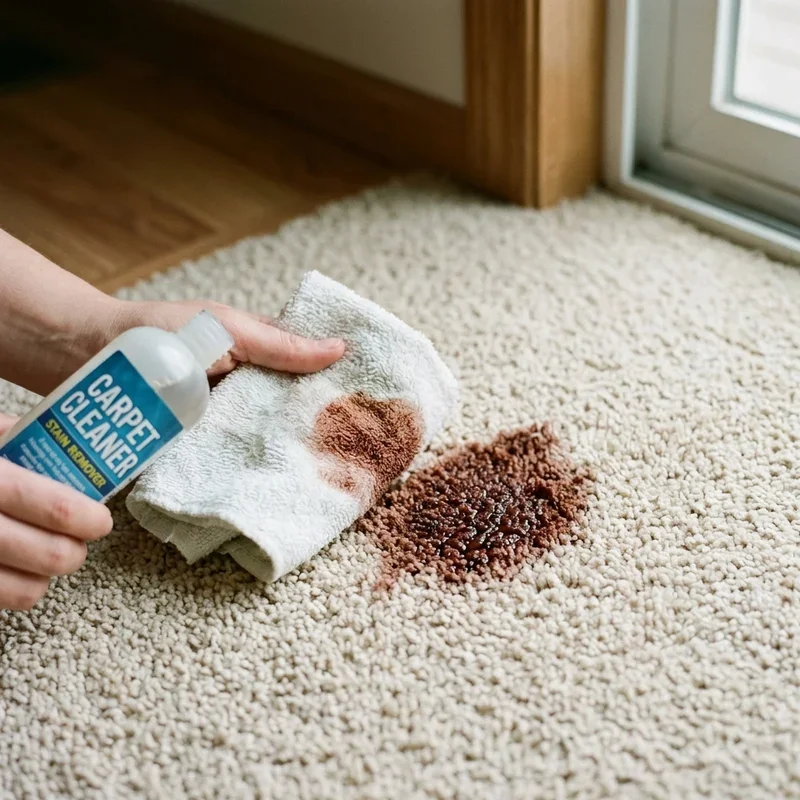
This deserves its own section because it's the single most important thing you can do in the first thirty seconds after a spill. Grab a clean white cloth or a wad of paper towels and blot the stain gently. Press down, lift up. Press down, lift up. Work from the outside edges toward the center.
Why white? Because colored towels or patterned rags can transfer their own dyes onto the wet carpet, giving you a second problem on top of the first one. White cloths let you see exactly how much dye you're pulling up with each blot, which helps you gauge your progress.
Why outside to center? Because working from the center outward pushes the dye further into clean carpet, making the stain larger. You want to contain the spill, not spread it around like peanut butter on toast.
And whatever you do, do not scrub. Scrubbing feels productive, I know. There's a deeply human instinct that says "apply more force to fix the problem." But with carpet stains, friction drives the dye deeper into the pile and can damage the fibers themselves, causing fuzzing, matting, and distortion that no amount of cleaning will fix. Blotting lifts the dye up and out. Scrubbing pushes it down and in. Remember that distinction and you're already ahead of the game.
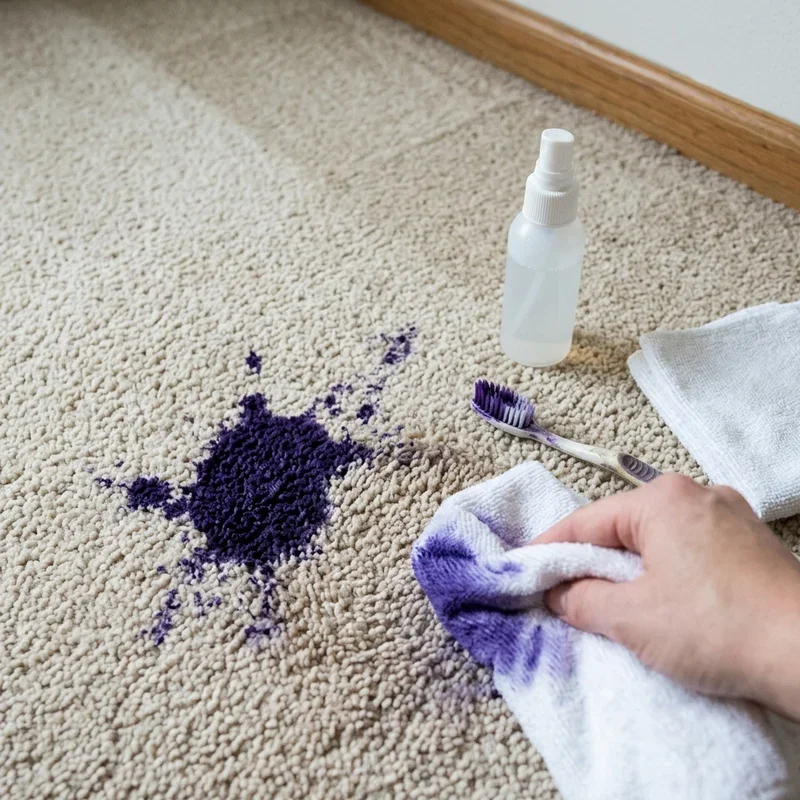
How to Get Hair Dye Off Carpet Without Damage: Fresh Stain Methods
Caught the spill within the first few minutes? You're in great shape. Fresh hair dye is far more cooperative than dried stain, and these methods have an excellent track record for complete removal.
The Dish Soap and Water Method
This is your first line of defense and the gentlest approach available. Mix one tablespoon of liquid dish soap with two cups of cool water. Dip a clean white cloth into the solution and blot the stain repeatedly. You should see the dye transferring from the carpet onto your cloth. Keep rotating to a clean section of the cloth so you're not redepositing color. Once the stain lightens significantly, blot with plain cold water to rinse out the soap, then press dry towels into the area to absorb excess moisture.
Dish soap works because it's a surfactant. It breaks the bond between the dye molecules and the carpet fibers, allowing them to be lifted away. It's gentle enough for virtually any carpet type, which makes it the perfect starting point before escalating to stronger solutions.
The Rubbing Alcohol Technique
If dish soap alone isn't cutting it, rubbing alcohol is your next move. Isopropyl alcohol is a solvent that dissolves many types of dye without harming most carpet fibers. Pour a small amount onto a clean white cloth and blot the stain firmly. Don't pour the alcohol directly onto the carpet because you want controlled application, not a flood.
You'll likely need to go through several cloths as each one absorbs dye. Keep at it until no more color transfers. Then follow up with the dish soap solution to clean away any residual alcohol, and finish with a cold water rinse and dry towels.
One word of caution. Always test rubbing alcohol on a hidden area of carpet first. Behind a piece of furniture or inside a closet works perfectly. Some carpets, particularly those with certain dye treatments, can react poorly to alcohol. Better to discover that on a spot nobody sees than in the middle of your living room.
The Hydrogen Peroxide Approach
For lighter-colored carpets, hydrogen peroxide can be remarkably effective. Use the standard three percent concentration that you'd find in any drugstore. Apply a small amount to the stain, let it sit for about five minutes, then blot it away.
Here's the important caveat. Hydrogen peroxide has mild bleaching properties. That makes it fantastic for light or white carpets and potentially disastrous for dark ones. The spot test on a hidden area isn't optional with this method. It's absolutely mandatory. If you skip the test and the peroxide lightens your dark carpet, you'll have traded a dye stain for a bleached spot, which is arguably worse.
Tackling Dried Hair Dye Stains
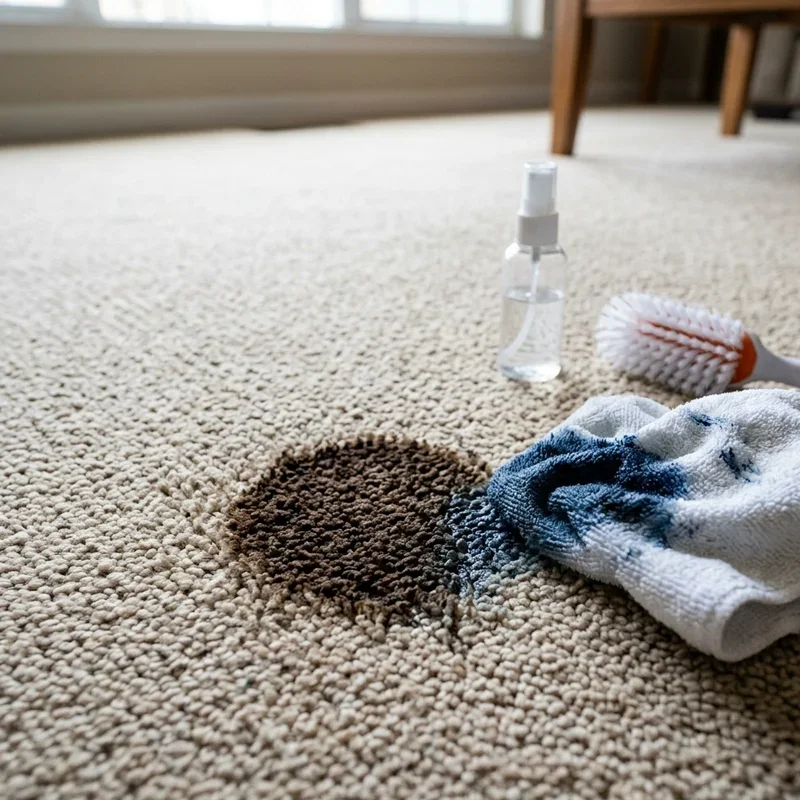
Alright, so maybe you didn't catch the spill right away. Maybe it happened while you were out, or perhaps you didn't notice the drip behind the bathroom door until a week later. Dried hair dye is tougher to remove, but it's not necessarily a lost cause. You'll just need more patience and possibly stronger methods.
The Vinegar and Baking Soda Combo
This classic cleaning duo has earned its reputation for good reason. Start by pouring a small amount of white vinegar directly onto the dried stain. Let it sit for a couple of minutes to soften and loosen the dried dye. Then sprinkle baking soda over the vinegar. You'll get that satisfying fizzy reaction, and that bubbling action helps lift stain particles out of the carpet fibers.
Once the fizzing dies down, blot the area with a damp white cloth. You may need to repeat this process two or three times for stubborn stains. Follow up with a cold water rinse and dry the area thoroughly. The vinegar smell will dissipate on its own within a few hours, so don't worry about your room smelling like a fish and chips shop forever.
Commercial Carpet Stain Removers
Sometimes you need to bring in the big guns. There are several carpet stain removers on the market specifically formulated for tough, set-in stains. Products containing oxygen-based bleaching agents tend to work well on hair dye without the harshness of chlorine bleach. Look for labels that specifically mention dye or ink removal.
Always follow the manufacturer's instructions to the letter. More product does not equal better results, and leaving a chemical solution on the carpet longer than recommended can cause its own kind of damage. And yes, do the spot test. I know it sounds like a broken record, but that ten-second test can save you hundreds of dollars in carpet repair or replacement.
The WD-40 Wildcard
This one surprises a lot of people, but WD-40 can actually be effective on dried hair dye stains. Spray a light application onto the stain, let it sit for about ten minutes, then blot with a clean cloth. The petroleum-based solvents in WD-40 can break down dye molecules that water-based solutions struggle with.
The catch is that WD-40 itself can leave an oily residue on your carpet. So after treating the dye stain, you'll need to clean the area with dish soap and water to remove the WD-40 residue. It's an extra step, but when you're dealing with a stubborn stain that won't respond to anything else, it's worth the effort.
How to Get Hair Dye Off Carpet Without Damage: Special Carpet Types
Different carpet materials react differently to cleaning solutions, and what works beautifully on synthetic fibers might wreak havoc on natural ones. Knowing your carpet type is essential for safe stain removal.
Wool Carpet
Wool is gorgeous, durable, and unfortunately quite sensitive to chemical cleaners. Avoid anything acidic, alkaline, or solvent-based on wool carpet. Stick to the mild dish soap and cool water method. If that's not enough, call a professional who specializes in wool carpet care. The fibers are too valuable and too easily damaged to risk experimenting with harsh chemicals.
Nylon and Polyester Carpet
These synthetic fibers are much more tolerant of cleaning agents. Rubbing alcohol, hydrogen peroxide on lighter colors, and commercial stain removers are all generally safe options. Nylon in particular is resilient and bounces back well from aggressive cleaning. Just remember to blot rather than scrub, no matter how tough the fiber.
Berber Carpet
Berber has a looped construction that presents a unique challenge. Dye can wick along the loops and spread in unexpected directions, making the stain appear to grow even as you're cleaning it. Work very carefully with minimal moisture. Apply solutions to your cloth rather than directly to the carpet, and blot with light pressure. Less is more with Berber.
Prevention Tips That Actually Work
Knowing how to get hair dye off carpet without damage is valuable, but knowing how to avoid the spill in the first place is even better. A little prevention goes a long way, and these tips are all simple enough to become habits.
Lay down old towels or a plastic drop cloth on the floor before you start your dye job. This is the easiest and most obvious solution, yet most people skip it because they think they'll be careful. Spoiler alert. Dye drips happen to everyone, and towels are cheaper than new carpet.
Keep a damp cloth within arm's reach while you're applying dye. If a drip happens, you can catch it instantly before it even touches the carpet. Those first few seconds make an enormous difference in how difficult the cleanup will be.
Wear gloves and an old shirt. This isn't directly about the carpet, but dye on your hands inevitably gets transferred to doorknobs, light switches, and yes, the carpet when you kneel down or touch the floor.
Consider doing your dyeing in the kitchen or bathroom where the flooring is tile, vinyl, or linoleum. These hard surfaces are infinitely easier to clean than carpet. If the bathroom is too small, at least confine the process to a room with hard flooring. Your carpet will thank you.
Close the bathroom door if you're dyeing in there. Pets and small children have an uncanny talent for barging in at the worst possible moment and tracking dye across the house. A closed door prevents a localized spill from becoming a whole-house catastrophe.
When to Call the Professionals
There comes a point where DIY methods have reached their limit, and continuing to throw home remedies at a stain is just wasting time and potentially making things worse. Recognizing that point is a skill in itself.
If you've tried multiple methods and the stain hasn't budged, or if it's lightened but there's still a clearly visible mark, professional carpet cleaning might be your best path forward. Professional cleaners have access to industrial-grade equipment and specialized chemical formulations that simply aren't available to consumers. Hot water extraction machines can reach deep into the carpet pad where dye may have penetrated beyond the surface fibers.
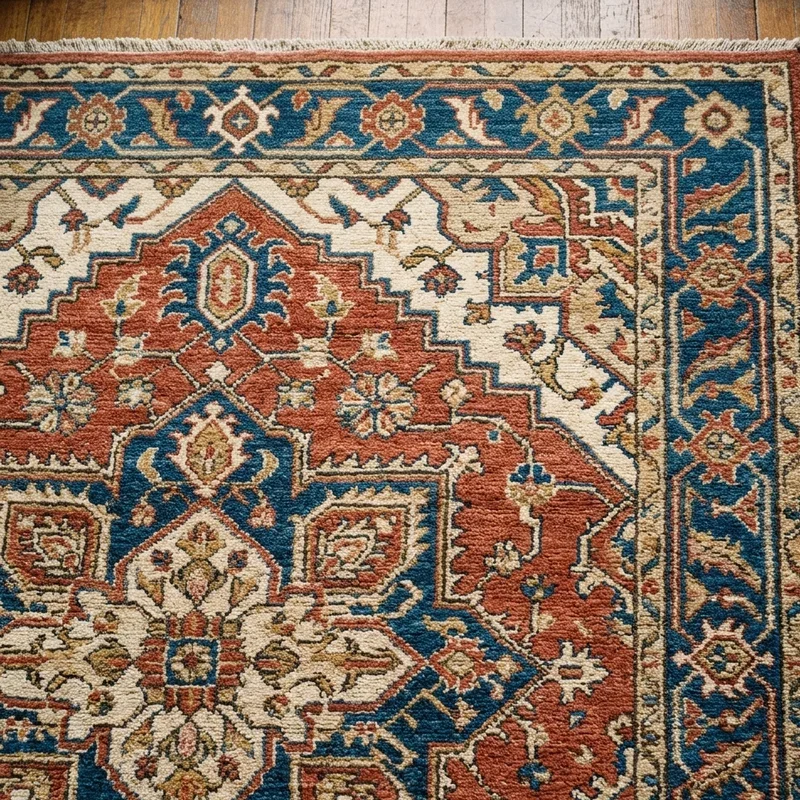
If the stain is on an expensive or antique carpet, skip the DIY entirely and go straight to a professional. The risk of damaging a high-value carpet with home remedies isn't worth the potential savings. Get a couple of quotes from reputable local companies and ask specifically about their experience with dye stains.
And if the worst happens and the stain truly cannot be removed, a carpet repair specialist can sometimes patch the affected area using a piece cut from a hidden spot like the back of a closet. It's not ideal, but it's a lot less expensive than replacing the entire carpet.
Common Mistakes People Make With Hair Dye Stains
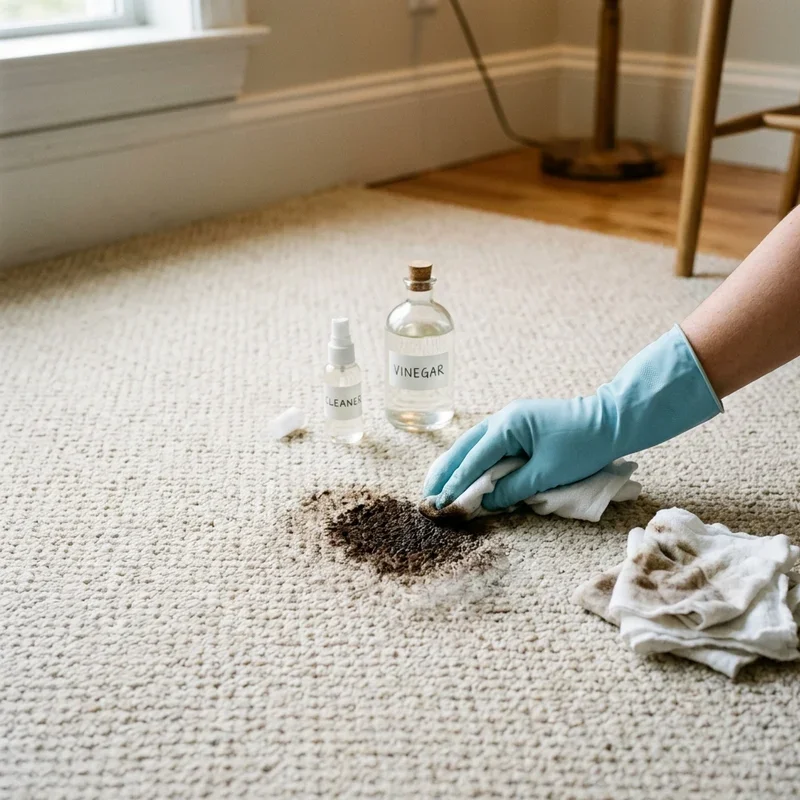
Let's run through a quick list of blunders you'll want to avoid. Learning from other people's carpet disasters is a whole lot cheaper than learning from your own.
Using hot water is a classic mistake. Heat actually sets dye stains, making them more permanent. Always use cool or cold water when treating hair dye on carpet. Save the hot water for your shower.
Applying bleach to colored carpet is another common one. Bleach will remove the dye alright. It'll also remove the carpet's own color, leaving you with a conspicuous light spot that looks almost as bad as the original stain.
Over-wetting the carpet can cause problems too. Excess moisture can seep down into the carpet pad and subfloor, leading to mold growth, mildew, and unpleasant odors. Use just enough liquid to treat the stain and blot up the excess promptly.
Waiting too long to treat the stain dramatically reduces your chances of complete removal. Even if you can't do a full treatment right away, at least blot up as much wet dye as possible and apply cold water to keep it from setting.
Conclusion
Figuring out how to get hair dye off carpet without damage doesn't have to send you into a tailspin. The secret is acting fast, blotting instead of rubbing, and choosing the right cleaning solution for your carpet type. From simple dish soap and water for fresh spills to rubbing alcohol and vinegar for dried stains, there's a method for every situation. When all else fails, professional cleaners can usually work wonders. With a little know-how and a calm head, even the most alarming dye spill doesn't have to mean the end of your beautiful carpet.
Read next: How to Get Dish Soap Out of Carpet Step by Step
Frequently Asked Questions
Q1. Can hair dye permanently stain carpet if left untreated?
Yes, permanent hair dye bonds with carpet fibers and can become impossible to remove completely.
Q2. Is bleach safe to use on carpet for removing hair dye?
Bleach removes color from carpet fibers, so only use it on white or very light carpets.
Q3. How quickly should I treat a hair dye spill on carpet?
Treat the spill immediately because fresh dye is significantly easier to remove than dried stains.
Q4. Does vinegar remove hair dye stains from carpet effectively?
White vinegar works well on dried stains, especially when combined with baking soda for lifting power.
Q5. Should I hire a professional cleaner for hair dye carpet stains?
Hire professionals when DIY methods fail or when dealing with expensive, delicate, or antique carpets.
Stay up to date with our latest ideas!